


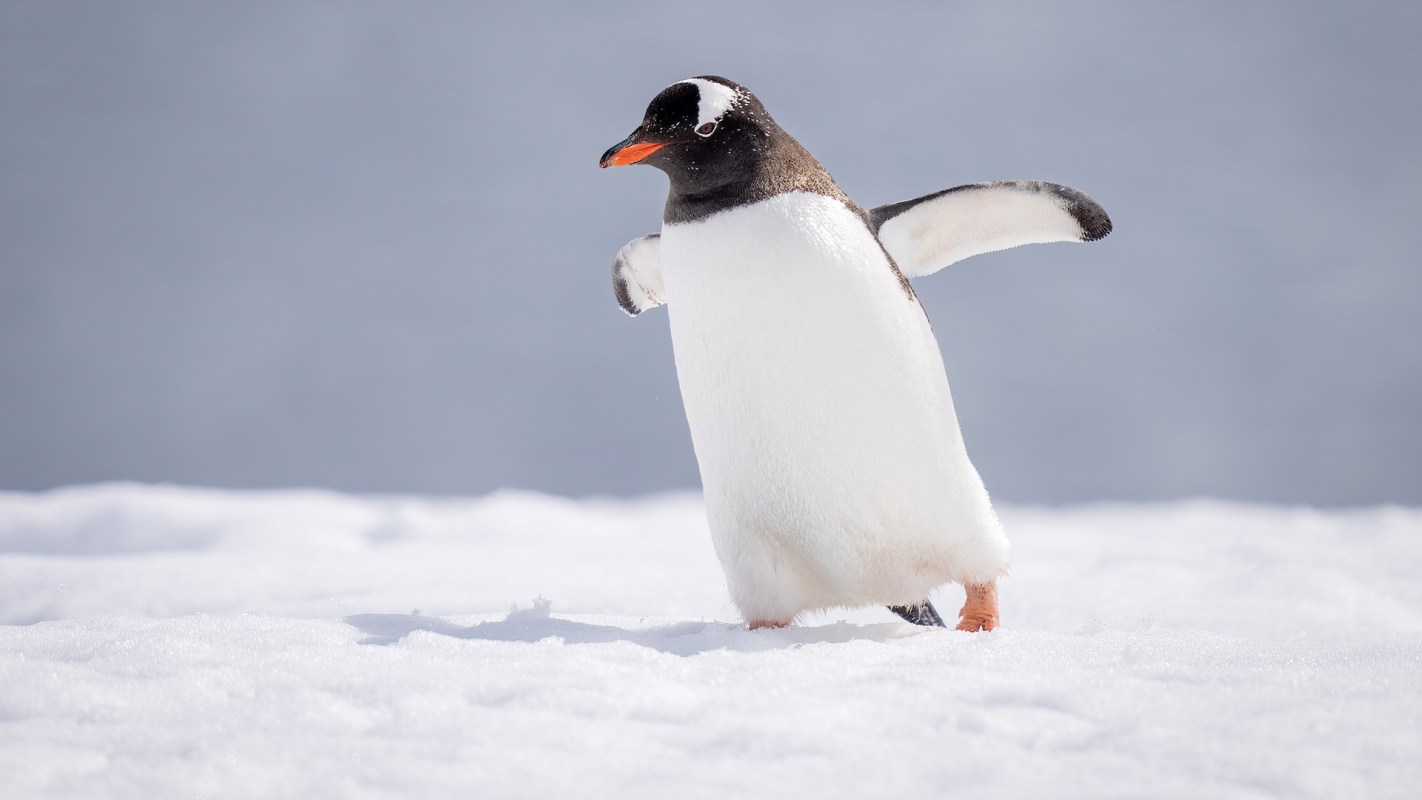
To protect the environment and the livelihoods of the humans who rely on it, it has been well established that we should use less plastic. However, University of Auckland researcher Ariel-Micaiah Heswall has just demonstrated that some types of plastic might need to be eliminated more quickly than others, according to Euronews.
What's happening?
Seabirds, including penguins, consume an unfortunate amount of plastic, whether because they believe it is prey or because it is already inside their food.
One factor that researchers have noticed in the past is that seabirds consume a large amount of white plastic compared to other colors. One explanation for this is that there is more white plastic in the environment than any other type, but researchers wondered if there were other factors influencing the situation.
In this recent study, researchers selected black, red, blue, and white bottle caps, which they secured tightly to a board so that they could not actually be swallowed. The researchers then left the set of bottle caps in the penguin enclosure at Auckland's Kelly Tarlton Sealife Aquarium.
Researchers observed the penguins to see which bottle caps they would interact with. This would give researchers an idea of how they might respond to different colors of plastic in nature.
Even though there were equal numbers of each color, penguins were almost twice as likely to interact with a white bottle cap as a black one, and they interacted with white almost 45% more than each of the other two colors.
Why is this study important?
These results indicate that the problem with white plastic isn't just that it is more common.
"We found that when we looked at what colours plastic seabirds were ingesting, white plastics were also more commonly ingested; so not only is a white plastic a triple threat, it's found more commonly in the ocean, it's found more commonly in the guts, but now it's also preferred by the penguins," Heswall said, according to Euronews.
Unfortunately, eating plastic is a major threat to penguin health. Soft plastics cause blockages in their digestive tracts; hard plastics can cause internal damage; and microplastics enter the bloodstream and cause hormonal issues.
What's being done to protect penguins from plastic?
The findings of this study are vital to changing corporate and public policies when it comes to plastic colors. Demonstrating that white plastic is more harmful, and that this effect is not just a coincidence, could lead to greater caution in selecting plastic colors in the future for items that can't be substituted with a plastic-free alternative.
TCD Picks » Quince Spotlight
💡These best-sellers from Quince deliver affordable, sustainable luxury for all




|
Which of these savings plans for rooftop solar panels would be most appealing for you?
Click your choice to see results and earn rewards to spend on home upgrades. |
 Save $1,000 this year 💸
Get TCD's free newsletters for easy tips to save more, waste less, and make smarter choices — and earn up to $5,000 toward clean upgrades in TCD's exclusive Rewards Club.
Cool Picks




