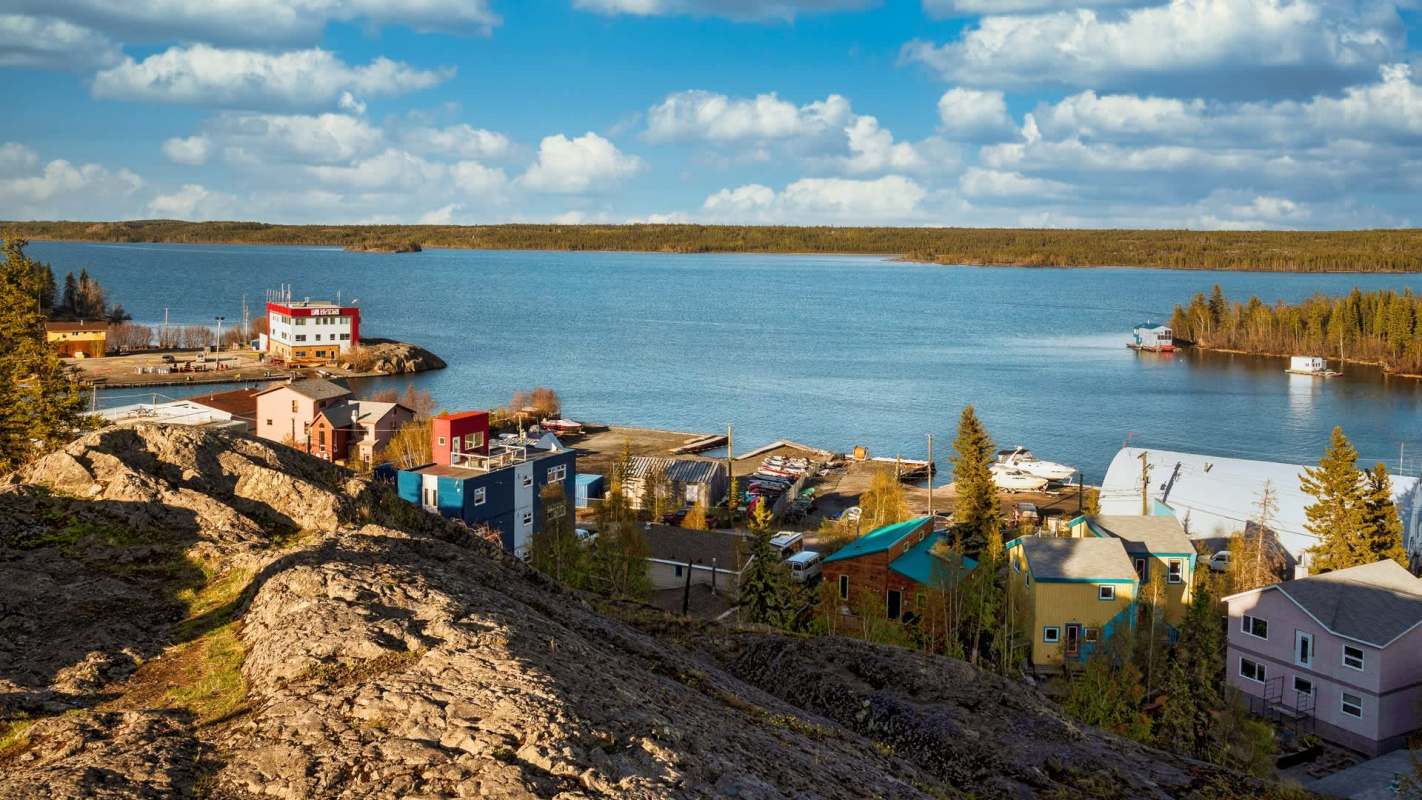
Indigenous leaders in the northern Canadian community of Paulatuk are building small bridges to help hunters and harvesters reach their camps amid increasing flood risks.
Rising temperatures and unpredictable weather have made travel in the Northwest Territories of Canada more difficult and dangerous.
What's happening?
As CBC News reported, creeks around Paulatuk have become more prone to flash flooding. In response, Dianne Ruben started a mini-bridge project to help all-terrain vehicles travel across creeks.
The bridges are built of lumber and plywood and laid across creeks to facilitate safe travel. The Paulatuk Community Corporation led the project and received funding from the Paulatuk Hunters and Trappers Committee and the Inuvialuit Regional Corporation.
Teams have already built at least six mini-bridges and plan to build at least seven more.
Why are rising flood risks concerning?
The people of Paulatuk aren't just building bridges; they're making smart, safe adaptations to daily life in response to a changing landscape.
Perk up the winter blues with natural, hemp-derived gummies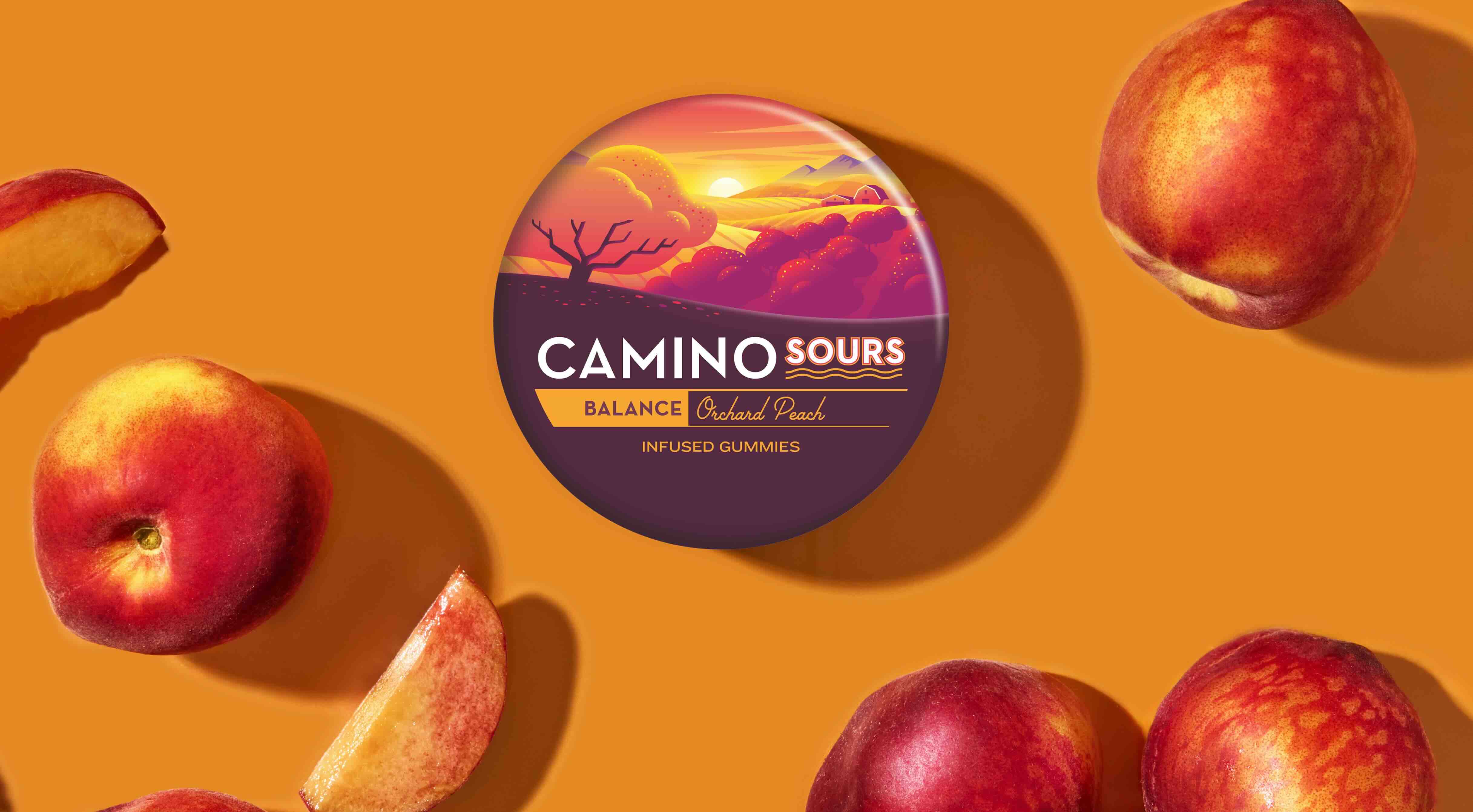 Camino's hemp-derived gummies naturally support balance and recovery without disrupting your routine, so you can enjoy reliable, consistent dosing without guesswork or habit-forming ingredients. Flavors like sparkling pear for social events and tropical-burst for recovery deliver a sophisticated, elevated taste experience — and orchard peach for balance offers everyday support for managing stress while staying clear-headed and elevated.
Learn more → |

"Our ancestors (have) been talking about this," Ruben said in the CBC News report. "They said it'll change, and we have to adapt."
Ruben also shared that traveling along the coast has begun to feel more "risky" and "scary," as the land her community lives on is experiencing permafrost slumps and unstable ground. She told the CBC News that she hopes the bridge-building work not only helps local residents but also inspires other communities addressing "climate-related changes."
What can I do about the impacts of rising temperatures?
Like the people of Paulatuk, you can start taking action now to prepare for extreme weather patterns and natural disasters amplified by global temperature increases. Intense storms, rising sea levels, and unpredictable flooding directly affect people's health, community safety, and the economic stability of entire regions.
It's worth learning more about critical issues and observing Indigenous communities' approaches to the climate crisis.
TCD Picks » Upway Spotlight
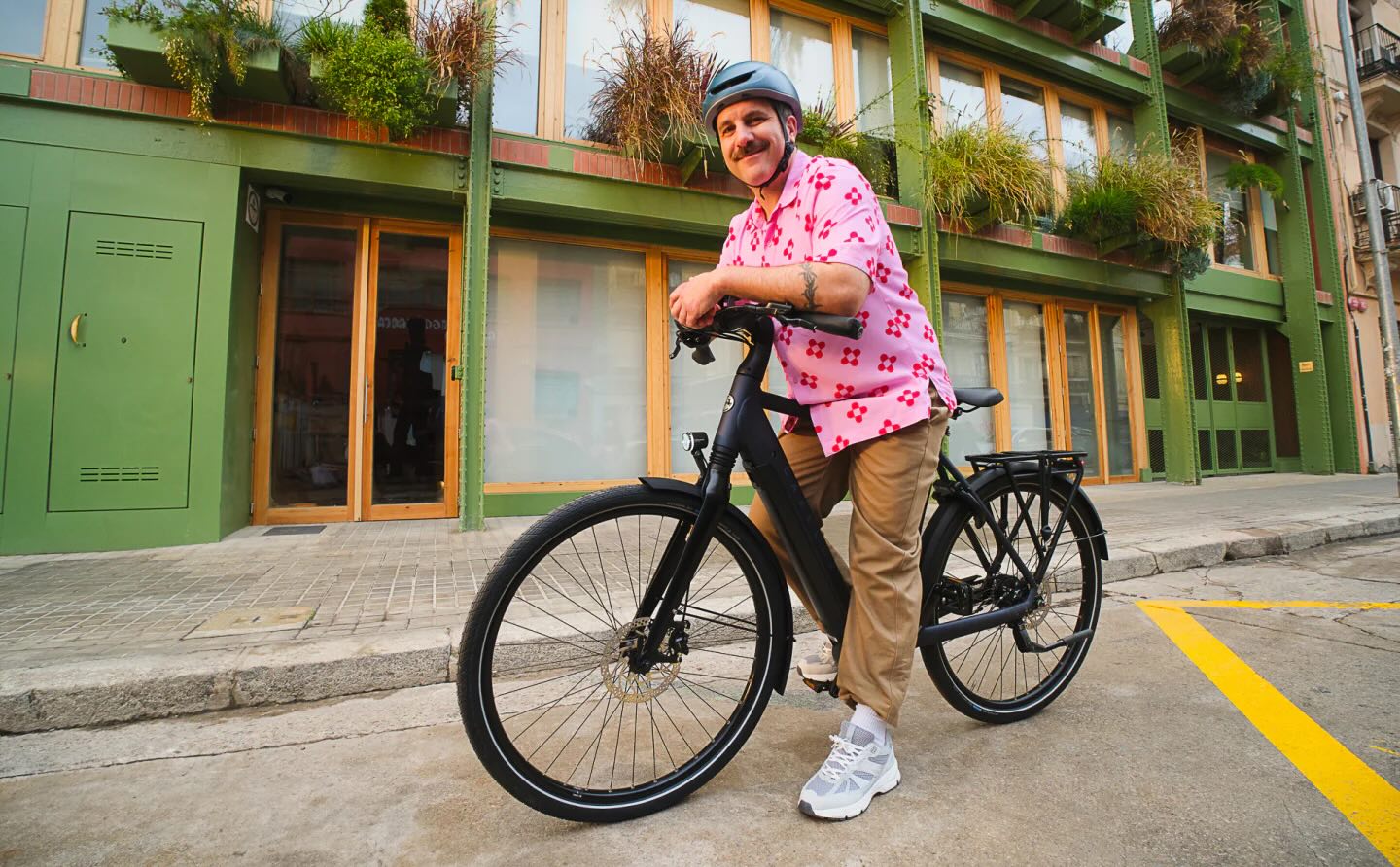
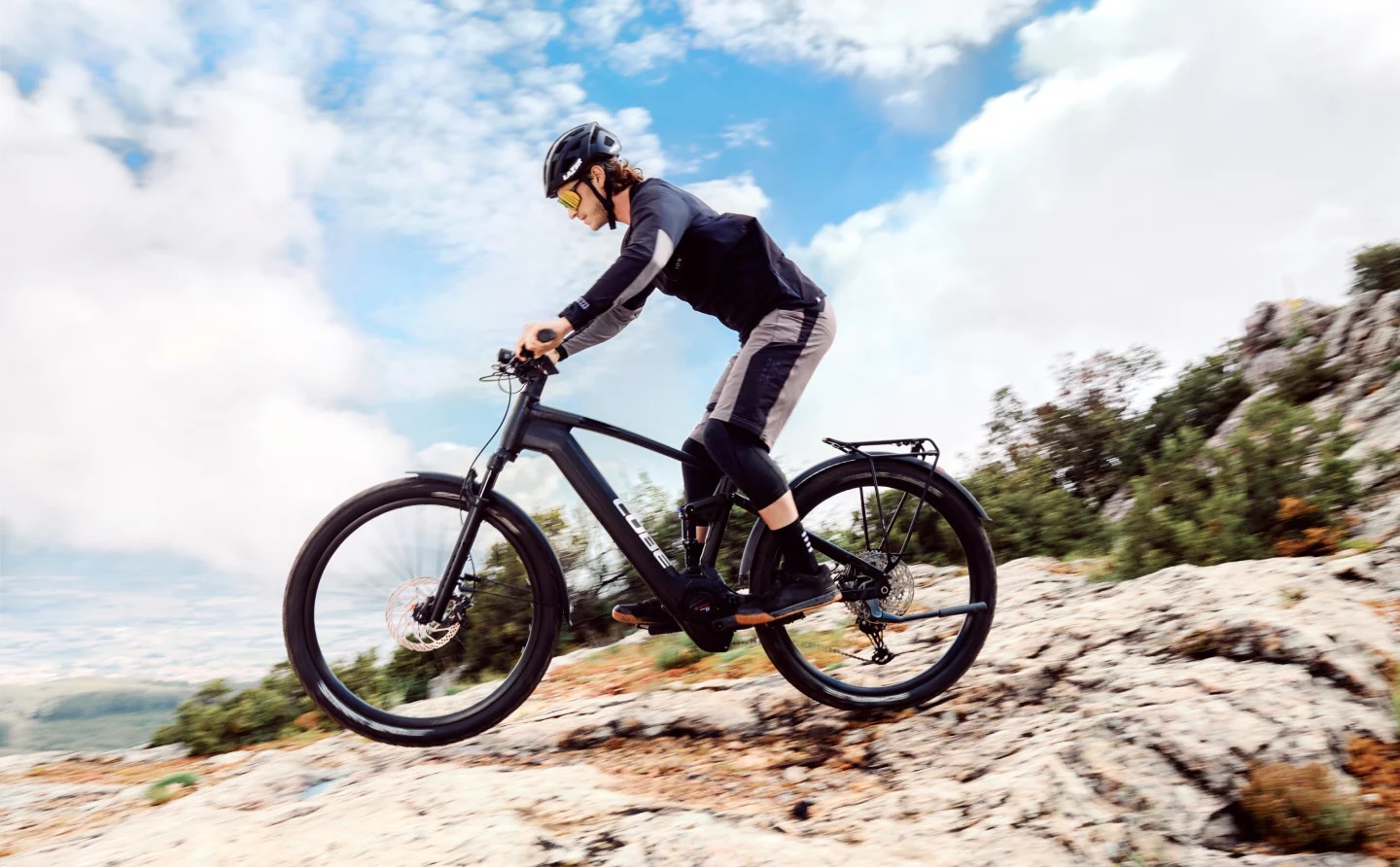
💡Upway makes it easy to find discounts of up to 60% on premium e-bike brands
|
What's the most you'd pay per month to put solar panels on your roof if there was no down payment?
Click your choice to see results and speak your mind. |
 $200 or more 💰
 Indigenous groups have also been finding new ways to address food scarcity and manage resources.
To make yourself and your loved ones more resilient to the effects of extreme weather, you might consider cost-saving, energy-conserving solutions, such as installing solar panels. You can use TCD's Solar Explorer to help you get started evaluating your solar options.
You can also share inspiring stories, such as the one about the Paulatuk bridges, to remind people that innovative solutions are possible and to offer hope for a more sustainable future.

Get TCD's free newsletters for easy tips to save more, waste less, and make smarter choices — and earn up to $5,000 toward clean upgrades in TCD's exclusive Rewards Club.
Cool Picks