


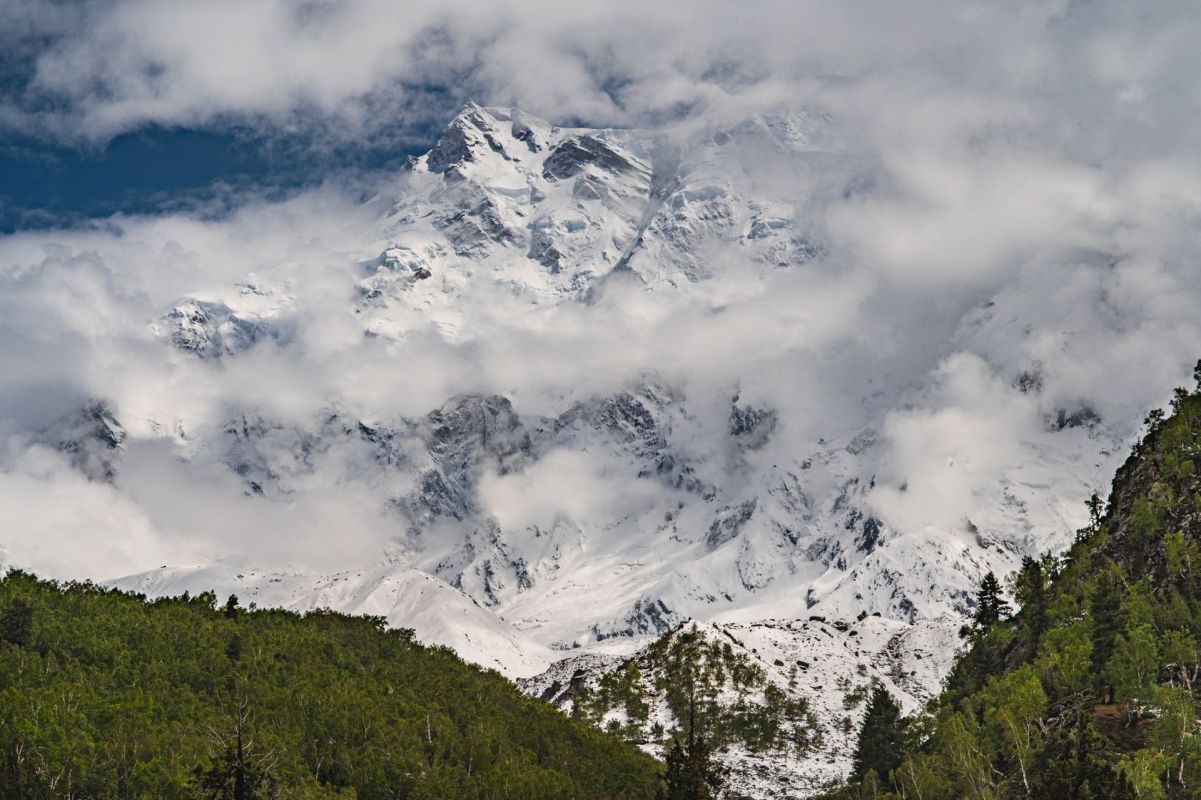
It might be easy to overlook something that's frozen, remote, and tucked high in the mountains, but Pakistan's glaciers are melting fast, and the consequences are anything but distant.
What's happening?
The Express Tribune reported that scientists are warning that these glaciers, once considered reliable "water towers" for the region, are "now in a state of irreversible decline."
What's happening far up north isn't staying there; it's coming downstream, into homes, fields, and lives.
Pakistan is home to more glaciers than anywhere outside the polar regions, with over 7,000, but they're shrinking rapidly.
Experts estimate that around 1.5% of glacial mass is lost every year. A report from the International Centre for Integrated Mountain Development, cited by the Express Tribune, has shown that these glaciers are melting 30% to 50% faster than they did in the 1990s.
This isn't just a slow fade. There are now over 3,000 unstable glacial lakes forming in the north, and 33 are at high risk of bursting. These glacial lake outburst floods, like the one that hit Gilgit-Baltistan, can wipe out entire communities in hours.
TCD Picks » Quince Spotlight
💡These best-sellers from Quince deliver affordable, sustainable luxury for all




Why is glacial melt concerning?
The melt isn't just an environmental issue; it's a public safety emergency. Glacial loss disrupts river flows, threatens food and water supplies, and increases the risk of deadly floods during extreme weather.
As glaciers disappear, the Indus River, a lifeline for millions, could lose 40% of its flow by 2100, according to a study published in the journal Nature Sustainability, as the Express Tribune observed.
Meanwhile, rising temperatures, worsened by pollution, are turning up the heat on extreme weather.
While storms and heatwaves aren't new, scientists agree that human-driven pollution is increasing global temperatures and making these events more intense and frequent, increasing risks of disease spread, crop failure, and coastal flooding.
|
Would you cover your home with reflective solar paint? Click your choice to see results and speak your mind. |
 Sign me up 👍
 What's being done about glacial melt?
Experts are calling for a National Glacier Rescue Mission, complete with glacier monitoring, lake drainage systems, and technologies like glacier-covering blankets to slow melting.
There's also a push for a Glacier Protection Act to safeguard these natural assets through law.

Join our free newsletter for good news and useful tips, and don't miss this cool list of easy ways to help yourself while helping the planet.







