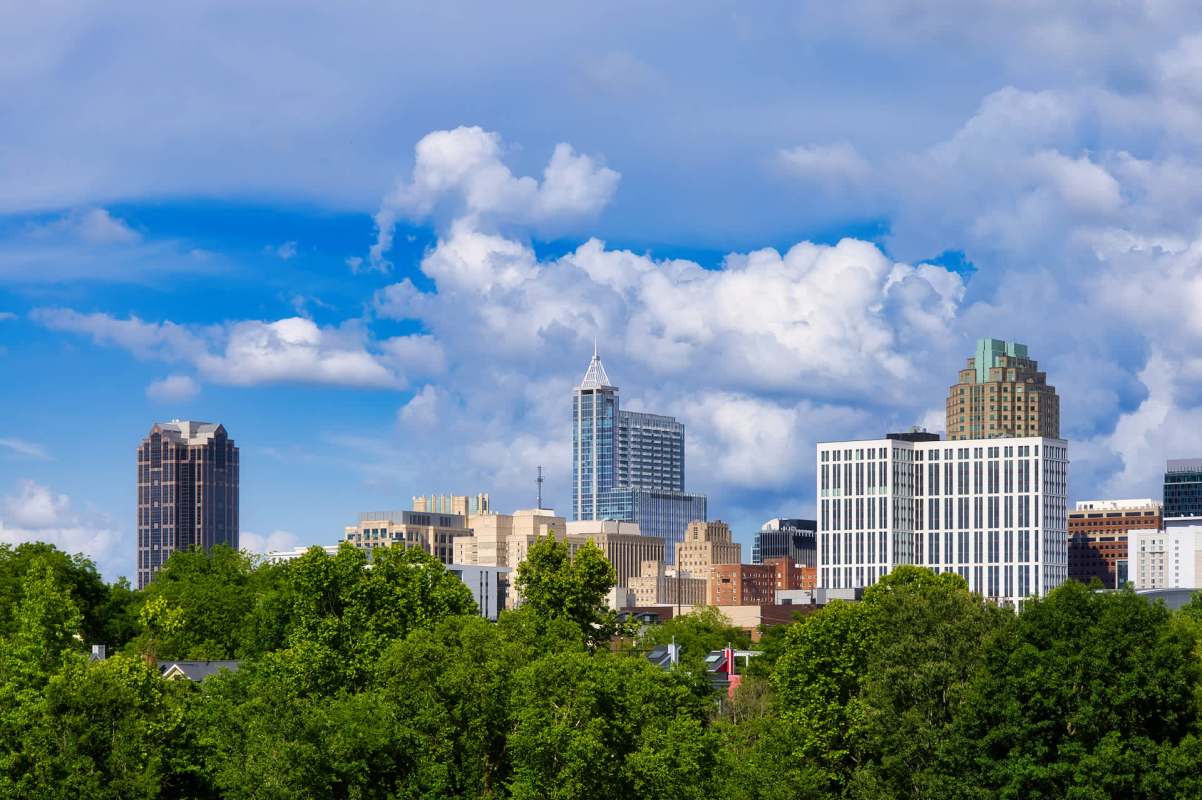
A colorful bird has made another appearance in a state capital, and birders flocked to see it last month.
What's happening?
A male painted bunting has made what is believed to be its fourth trip to Raleigh, North Carolina's second-most populous city, The News & Observer reported.
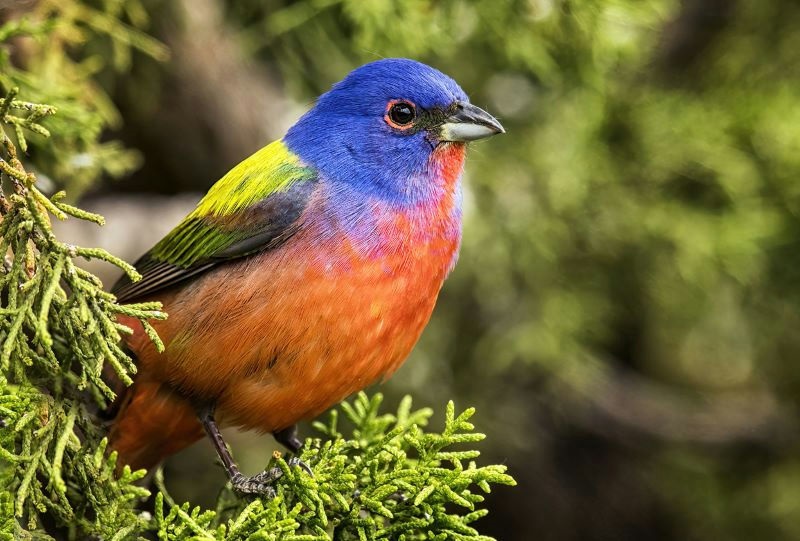
The blue-headed, red-chested avian, which also has yellow-green wings, typically sticks to the southern coast of the Tar Heel State but has appeared in the area every year since 2022. It's not clear whether this same individual was the one initially spotted at Dix Park three years ago, but it's a possibility.
The painted bunting is the most colorful breeding bird in the country, the newspaper reported. It's in the cardinal family and roams the Atlantic Coast down to Central Florida. Another population lives in the south-central United States.
"While the painted bunting is not particularly rare, it's notably difficult to spot because it typically hangs out in dense undergrowth," according to The News & Observer. "And it's not supposed to be in Raleigh."
Why is this important?
The outlet noted that this apparent change in behavior could be the result of shifting migratory patterns due to rising global temperatures. Or it could be caused by habitat stressors such as human development or resource shortages.
TCD Picks » EDF Spotlight
💡EDF's Vital Signs newsletter delivers stories about game-changing solutions close to home and around the world



Warming climates are affecting fauna and flora everywhere, as the burning of dirty energy sources produces heat-trapping pollution that envelops Earth like a blanket. In response, animals are moving elsewhere, expanding their ranges, and altering their ways of life.
The effects are cascading and could result in the planet's sixth mass extinction, greater risks for disease spread, and off-balance ecosystems. The loss of birds is particularly problematic because of their position as indicator species and impact on mental health.
What's being done about changing animal behaviors?
The newspaper highlighted birders' enjoyment of the painted bunting, and one observer said that even on "a sucky bird day, [when] you don't see anything, you've been outside all day, and you go home and look at the photos and relive it. It's a great way to spend a day."
Other increasingly common human-wildlife encounters are not so charming and can lead to dangerous situations that result in people's, as well as creatures', injuries or deaths.
TCD Picks » Quince Spotlight
💡These best-sellers from Quince deliver affordable, sustainable luxury for all




To protect nature and the beings we share Earth with, you can make small changes that add up when multiplied across millions of people. Start by rewilding your yard or driving less, and move on to energy-efficient appliance upgrades. These actions benefit humans and the environment by reducing pollution that endangers established ways of life.
|
Do you think your city has good air quality? Click your choice to see results and speak your mind. |
 Definitely 🥰
Join our free newsletter for good news and useful tips, and don't miss this cool list of easy ways to help yourself while helping the planet.