


Litter doesn't just affect the beauty of a natural space; it impacts the animals that depend on those spaces for food. While humans can tell whether something is edible, hungry animals are less discerning and eat human-made items that can cause blockages and other damage to their systems.
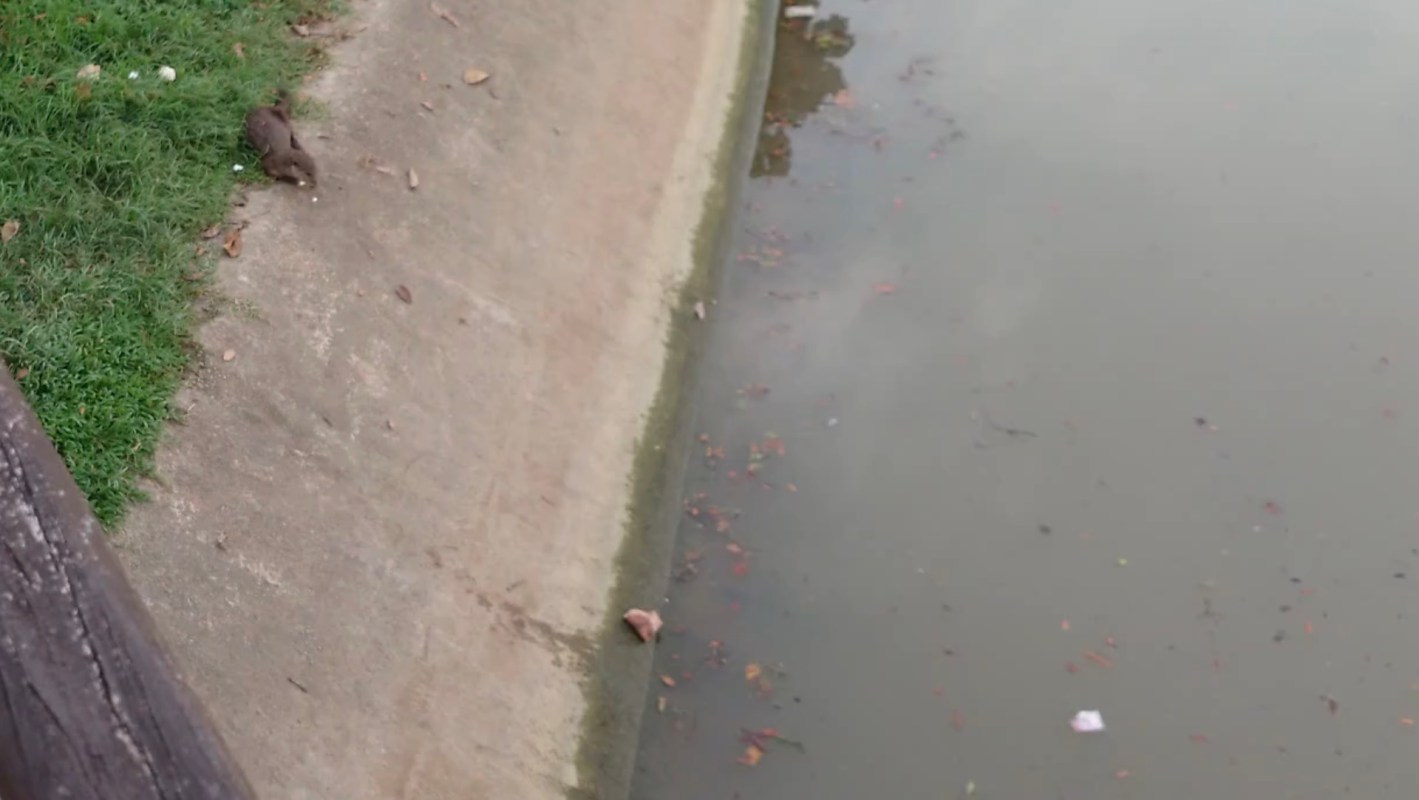
A concerned citizen spotted an ocean mammal snacking on something detrimental to its health and captured the act on video, which was shared to the r/SingaporeRaw subreddit (click here to watch the video if the embed does not appear).
"Otter eating styrofoam, NEA needs to enforce action against littering at Pandan River. Every weekend, people will have outings and picnics along the Pandan River, further upstream at the Toh Guan Rd area, and throw their litter into the river," the OP wrote.
"It's appalling and dangerous for whatever wildlife is still trying to cling to existence in our urban environment. I spotted this otter chewing on styrofoam and also saw a bird pecking at an empty plastic container.
"Can we have some enforcement? I don't want our green spaces to turn into trash heaps."
The attached video shows an otter playfully snacking on a large piece of Styrofoam.
It has reached the point that 33 billion pounds of plastic enter the ocean every year, according to Oceana, and marine plastic pollution kills 100,000 marine mammals every year, according to the WWF. Plastic cuts the life short of the smallest seabirds to the largest whales, as danger can range from entanglement to ingestion.
This kind of plastic pollution is caused mainly by ghost fishing gear, litter from construction and marina sites, loose trash from trash receptacles, and overboard waste from ships. A large portion of plastic waste comes from food containers and plastic bags, according to Clean Water Action.
While plastic pollution can only be truly stopped once plastic production is replaced with nonplastic alternatives, many organizations are working to clean up marine plastic pollution. For example, The Ocean Cleanup deployed a trash interceptor in Los Angeles, and The Ocean Legacy Foundation has removed thousands of pounds of ghost gear.
The locals in the comments were not thrilled with the otter's unhealthy snack.
TCD Picks » Quince Spotlight
💡These best-sellers from Quince deliver affordable, sustainable luxury for all




|
Do you think America has a plastic waste problem? Click your choice to see results and speak your mind. |
 Definitely 👍
 "Otterly unacceptable," one user commented.
"Let's just hope that it's playing with it and is not actually swallowing it," another wished.

Get TCD's free newsletters for easy tips to save more, waste less, and make smarter choices — and earn up to $5,000 toward clean upgrades in TCD's exclusive Rewards Club.
Cool Picks






