


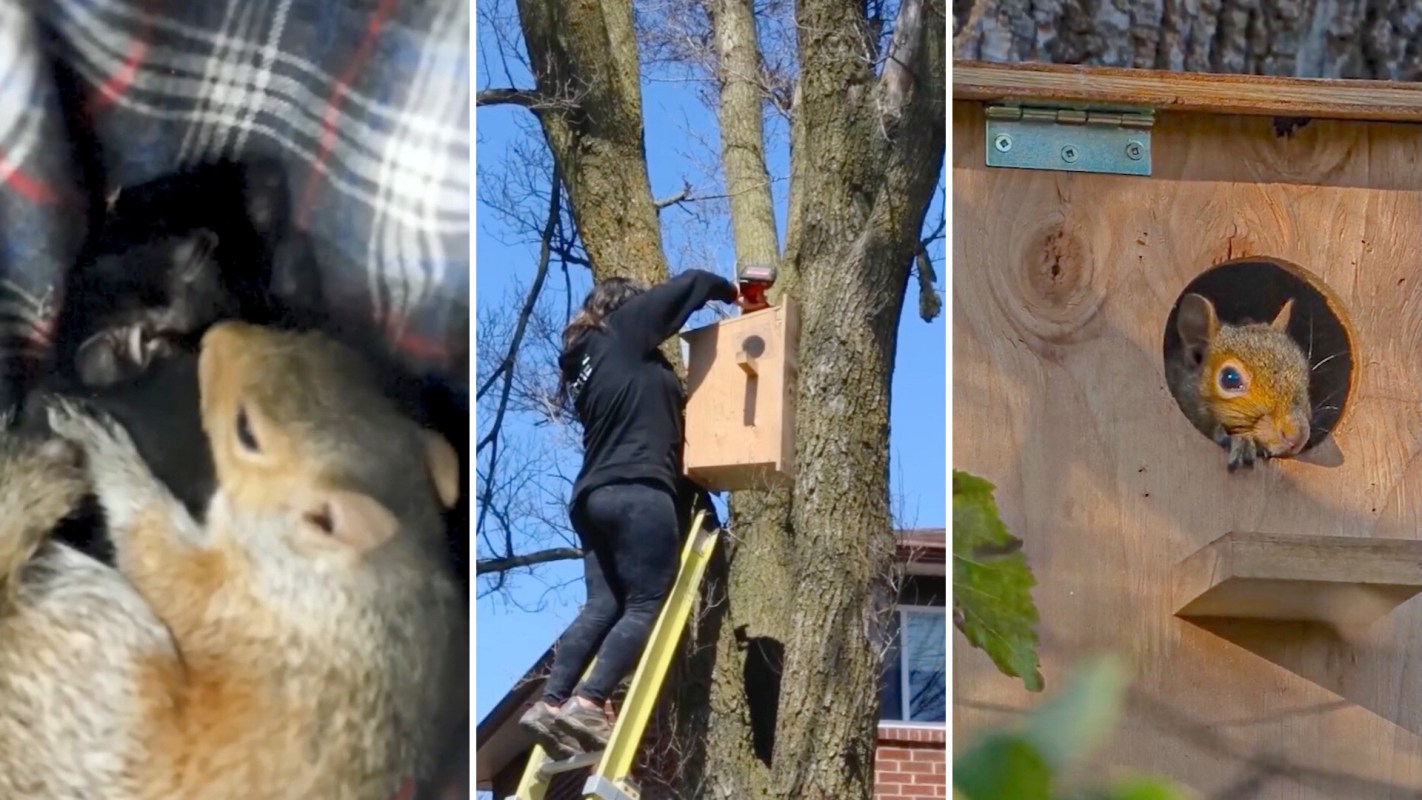
A video from a Toronto wildlife rehabilitation center highlights a quieter part of rescue work, showing tiny orphaned squirrels growing inside den boxes where they can stay warm and protected.
The post offers a look at the level of care required to help wild animals recover before they can be returned to their natural habitat.
What's happening?
The Toronto Wildlife Centre (@torontowildlifecentre), a wildlife rehabilitation organization, posted footage of baby squirrels receiving care while curled up in small den boxes.
The center's Instagram post said the animals are given "a safe, cozy substitute for the tree cavity they'd normally shelter in" while they are being cared for.
The organization also used the post to make a public appeal: "Young squirrels need your help! Can you lend a tree?" The request was for a place where they could place their den boxes to help them transition back into the wild.
As the squirrels continue to develop, the center said the boxes give them "somewhere to hide, sleep and feel secure until they're ready to be released back to the wild."
TCD Picks » Quince Spotlight
💡These best-sellers from Quince deliver affordable, sustainable luxury for all




Why does it matter?
For orphaned baby animals, survival depends on more than food alone. They also need shelter, warmth, and an environment that feels secure enough to limit stress while they grow strong enough to live on their own.
That is especially true for squirrels, which would typically spend their earliest weeks protected inside tree cavities or nests. A den box helps recreate part of that missing habitat during a particularly vulnerable stage of life.
Urban and suburban wildlife often requires specialized care. People may come across baby animals after storms, tree damage, or other disruptions, but what appears to be abandonment is not always that simple.
The rehabilitation process is not about domesticating wild animals. The goal is recovery, security, and eventual release.
What can I do?
If you find a baby squirrel on the ground, one of the most important steps is to avoid handling or feeding it right away unless a licensed rehabilitator tells you to do so. In many cases, wildlife professionals can help determine whether the animal is truly orphaned and what should happen next.
It can also help to give the area some space. Keeping children and pets away may reduce stress on the animal and make it easier for a mother squirrel to return if she is still nearby.
Habitat-minded choices include being mindful about tree work during baby-animal season and supporting rehabilitation centers through donations, volunteering, or sharing their calls for help.

Get TCD's free newsletters for easy tips, smart advice, and a chance to earn $5,000 toward home upgrades. To see more stories like this one, change your Google preferences here.







