


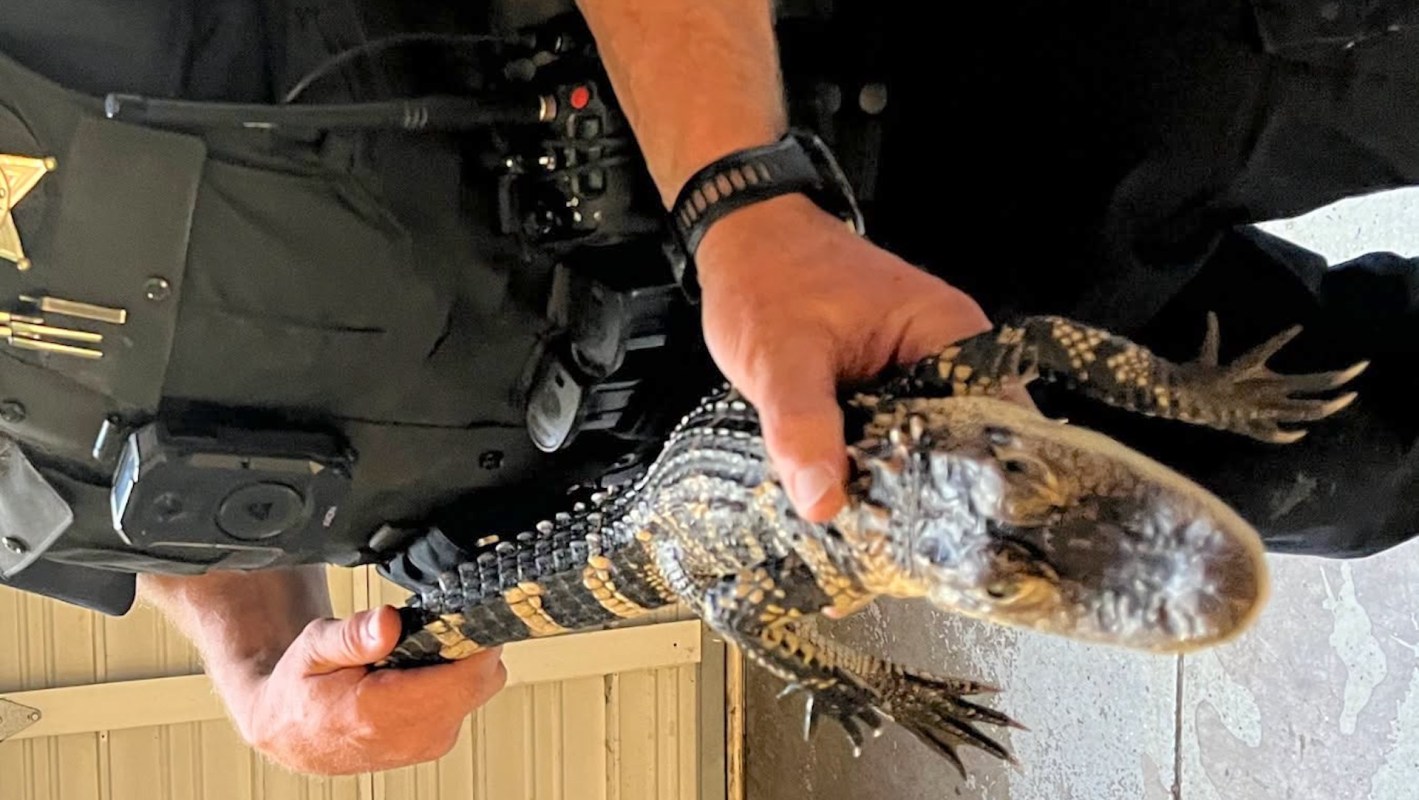
In Gresham, Oregon, State Police confiscated a pet alligator that authorities say was being housed unlawfully.
What happened?
After a tip was provided to Oregon State Police's Fish and Wildlife troopers, an illegally kept alligator was found inside an aquarium in an Oregon apartment, requiring a team of officials and veterinarians to intervene and capture the animal.
The Oregon State Police later shared a Facebook update about the situation, writing that, "The alligator was safely secured and transported to an approved reptile sanctuary," adding, "Except in specific circumstances, possession of alligators and other crocodilians is prohibited in Oregon."
Wildlife laws exist for a reason, especially when the animal involved is a powerful reptile that is not suited to apartment life.
More background
When it comes to exotic animals, the risks often extend to everyone nearby, including the animals themselves.
Keeping an alligator in a residential building can put more than just the animal in danger. Neighbors, property managers, first responders, and other pets in the building could all be affected if the situation escalates or the animal escapes confinement.
TCD Picks » Quince Spotlight
💡These best-sellers from Quince deliver affordable, sustainable luxury for all




A private (and illegal) decision like this can quickly turn an exotic pet into a broader public concern. An aquarium in an apartment may sound contained, but wild animals do not become domesticated simply because they are kept indoors.
Encounters involving wild animals are often shaped by people first, through capture, transport, confinement, habitat disruption, or the exotic pet trade.
In this case, the alligator was not where it would naturally be. It was placed in a highly artificial environment by a person, and that decision created the conditions for law enforcement to get involved.
What can be done?
Wildlife seizures can help remove dangerous or unsuitable animals from improper conditions while reinforcing that exotic pet ownership is not a harmless novelty when state laws are being violated.
Many exotic animals are purchased when they are small and manageable, only to become much harder to house, feed, and safely contain as they grow. By the time owners realize they are in over their heads, local authorities or rescue systems may be left to deal with the fallout.
If someone encounters a potentially dangerous exotic animal in a home or apartment setting, the safest move is to contact local authorities rather than try to intervene personally.

Get TCD's free newsletters for easy tips, smart advice, and a chance to earn $5,000 toward home upgrades. To see more stories like this one, change your Google preferences here.







