


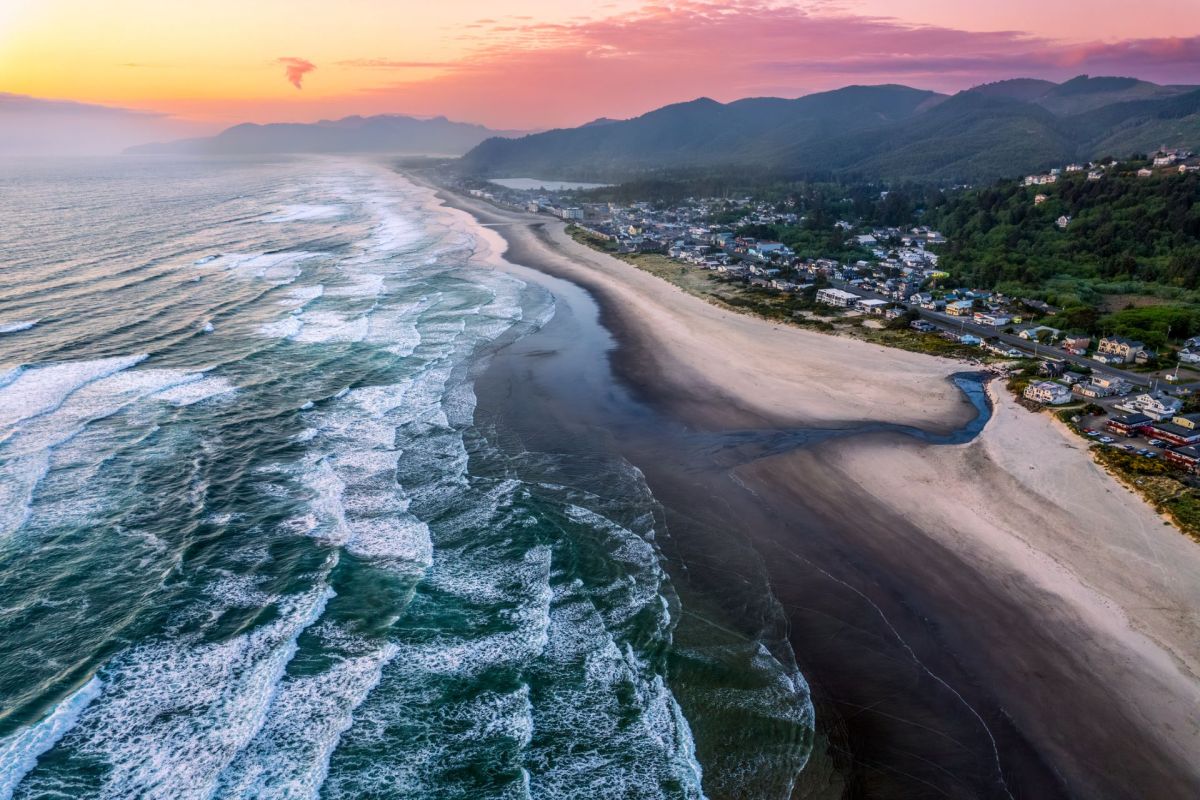
Oregonians experienced intense flooding in December as atmospheric river-driven storms slammed the Pacific Northwest. This event, which prompted emergency evacuations and business disruptions, wasn't unique to last winter.
The Pew Charitable Trusts reported that storms have been growing more severe, highlighting the need for a statewide effort to mitigate damage from rippling through the Pacific Northwest.
What's happening?
Community development officers and private consultants discussed common threats across Oregon. Based on the workshop presentation shared by the organizers, key concerns included erosion control and hazard-resistant design to protect vulnerable infrastructure and natural habitats.
Participants also reviewed the required financial investments, project partners, and funders.
"Coos County has chosen to step up, even without mandates, because we know the risks we face. Our job is to make sure our communities don't just survive hazards but recover and thrive," said Jill Rolfe, planning and community development director from Coos County, per Pew.
The issue of worsening storms and flooding isn't limited to Oregon. Scientists warn that coastal communities nationwide are facing steadily rising water levels. By 2050, hundreds of critical facilities, such as schools and hospitals, could face flooding every two weeks.
Perk up the winter blues with natural, hemp-derived gummies Camino's hemp-derived gummies naturally support balance and recovery without disrupting your routine, so you can enjoy reliable, consistent dosing without guesswork or habit-forming ingredients. Flavors like sparkling pear for social events and tropical-burst for recovery deliver a sophisticated, elevated taste experience — and orchard peach for balance offers everyday support for managing stress while staying clear-headed and elevated.
Learn more → |

Why is this important?
Oregon has experienced more warm days over the past seven decades, per the state's energy department. One of the culprits is pollution from burning gas, coal, and oil, which drives rising temperatures and higher sea levels. In 2023, gas and coal used to produce electricity released 59 million metric tons of carbon dioxide in the state.
Hotter temperatures contribute to prolonged rainfall, which puts road safety and residential security at risk when roads and homes become flooded. Lingering rains also present new operational challenges to outdoor recreational industries, particularly snow-based tourism.
Meanwhile, an extended hot season can deplete water systems relied upon by the agriculture, fisheries, and livestock-raising sectors. Dry forests are more vulnerable to wildfires, which can degrade air quality.
What's being done about this?
The Oregon Department of Land Conservation and Development, particularly its Coastal Management Program, supports coastal planning and adaptation activities.
TCD Picks » Upway Spotlight
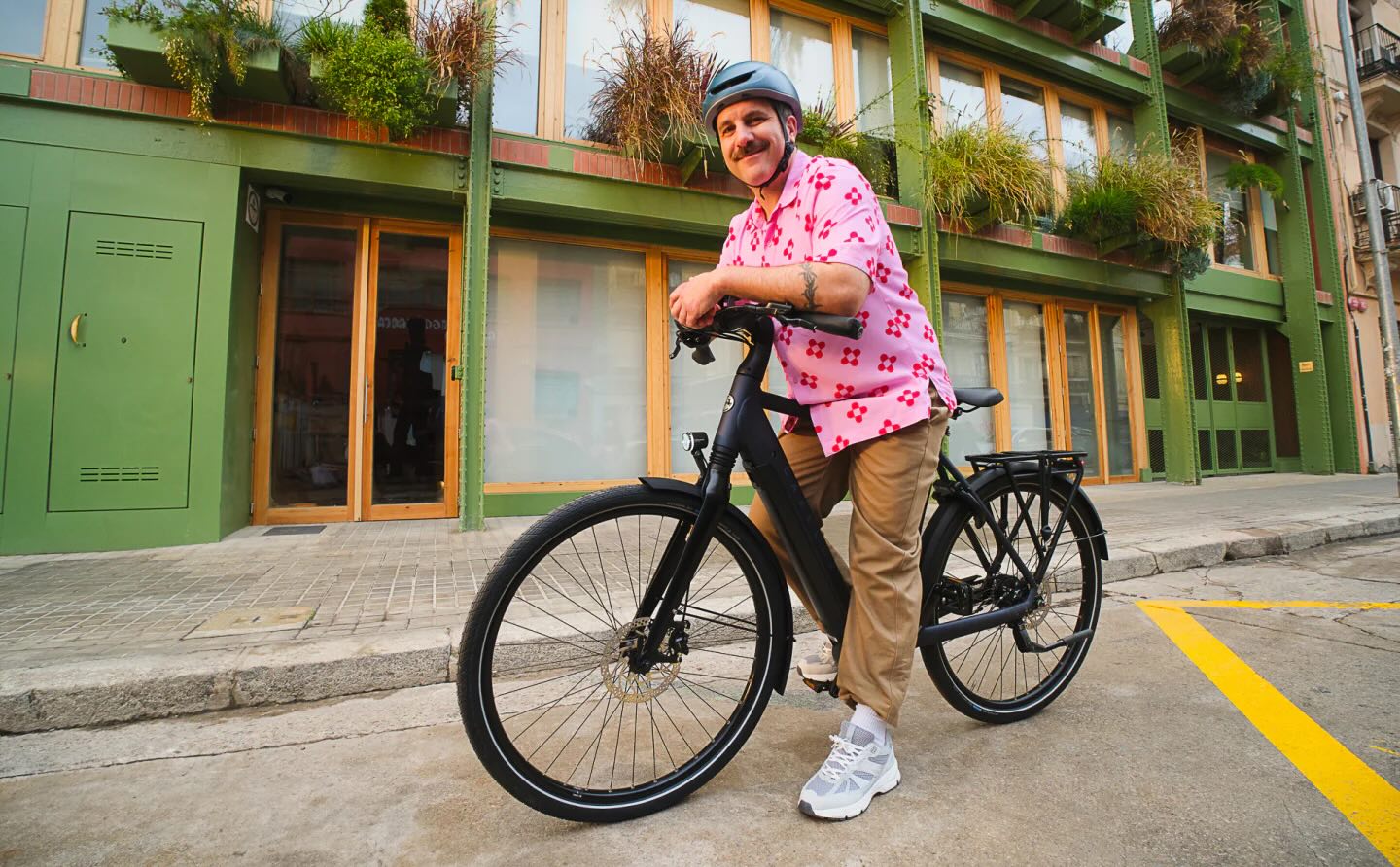
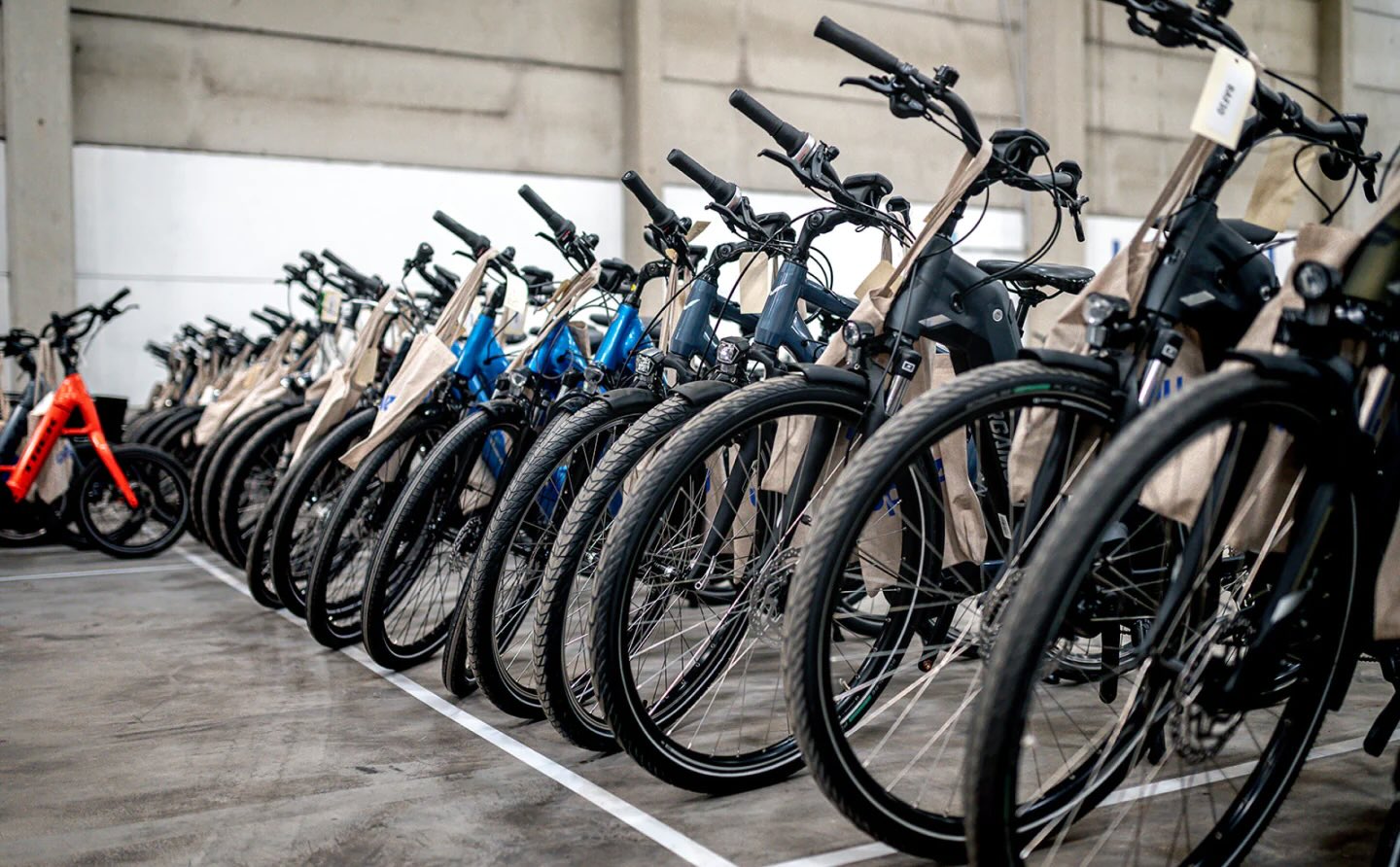
💡Upway makes it easy to find discounts of up to 60% on premium e-bike brands



|
What's the most you'd pay per month to put solar panels on your roof if there was no down payment?
Click your choice to see results and speak your mind. |
 $200 or more 💰
 They include monitoring sea-level rise, such as the Oregon King Tides Project. Volunteers take pictures of winter high tides to document coastal flooding levels and anticipate future tidal reach.
Another initiative was the Southern Flow Corridor tidal wetland habitat restoration. This aimed to revive the salmon habitat, reduce flooding, and improve water quality.
Other efforts include the county fellowship in Clatsop, the updating of Coos County's estuary management plan, and a statewide water protection program.
By staying informed about critical environmental issues, such as changing coastal conditions, and by participating in coastal protection efforts, residents can build resilient homes and neighborhoods.

Get TCD's free newsletters for easy tips to save more, waste less, and make smarter choices — and earn up to $5,000 toward clean upgrades in TCD's exclusive Rewards Club.
Cool Picks






