


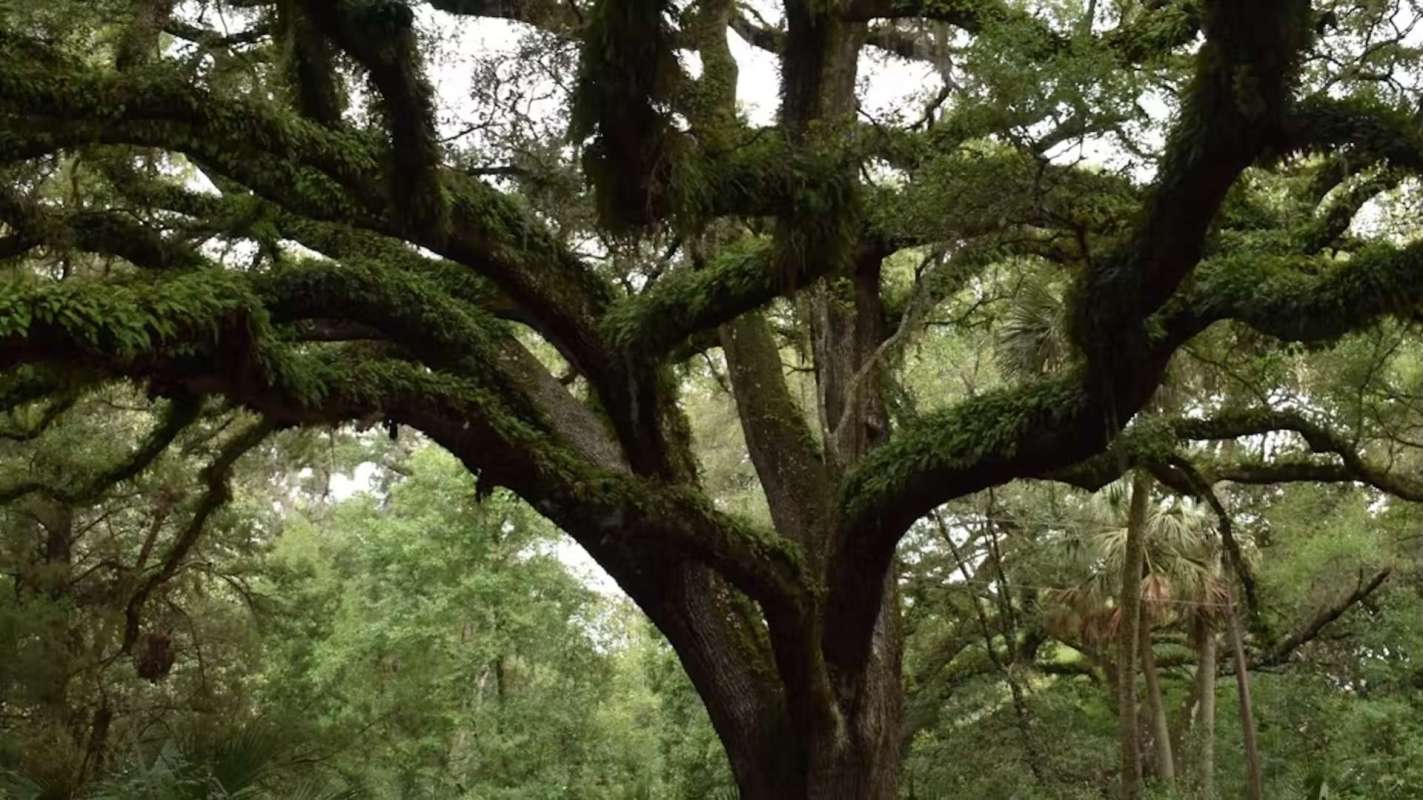
Orange County, Florida, is putting trees at the center of its growth plans with the development of its first Urban Forest Master Plan, a long-range effort designed to preserve and expand shade canopy as development continues across the Orlando area.
In a hot, fast-growing part of Central Florida, tree cover is one of the most practical tools for easing heat and helping keep home cooling costs in check.
Here's what to know
According to WFTV, the effort will shape tree planting, protection, and maintenance for more than 20 years, with standards covering neighborhoods, roadways, business centers, and other developed parts of the county.
County officials said in a press release that the work falls under the OC Loves Trees program, which debuted on Arbor Day 2026. That program focuses on the value trees bring through shade, lower heat, cleaner air, and wildlife habitat.
Officials expect to complete the Urban Forest Master Plan in winter 2027.
More background
The plan is moving forward as Orange County continues to grow.
TCD Picks » Quince Spotlight
💡These best-sellers from Quince deliver affordable, sustainable luxury for all




Residents are invited to participate through the Engage Orange community portal, where they can submit questions and ideas, offer feedback, and subscribe for updates on the planning process and future opportunities for public involvement.
"Trees are an important part of what makes Orange County a great place to live, work and visit," Orange County Mayor Jerry L. Demings said in the release.
In hot communities, trees can play a critical role in cooling down the area, providing needed shade, cleaning the air, and creating habitat for local animals.
What's being done?
The program hopes to build appreciation for trees while safeguarding and expanding the County's tree canopy. The announcement highlighted the benefits of trees and linked them to the region's long-term health.
This is far from a short-term fix. The County expects the plan to play out over at least 20 years, which could help match development and population growth in the region.
"As our community grows, we have an opportunity to protect our tree canopy while planning for the future," Demings concluded in the release. "This master plan will help create a healthier, more resilient Orange County for generations to come, and we want our residents to help shape that vision."
Where can I learn more?
Orange County's plan is part of a wider effort to use trees and green space to cool neighborhoods, shape development, and preserve canopy as communities grow. Elsewhere, officials and planners are replanting lost trees, adding greenery to dense housing, and weighing how land-use decisions affect long-term access to shade and habitat.
• In Hanford, California, a program to replace trees is restoring canopy lost to invasive species.
• In the Netherlands, a vertical forest tower will bring 10,000 plants into dense housing.
• In western England, officials plan millions of new trees across a vast connected forest.
• In Collier County, Florida, neighbors are fighting a golf course proposal for a long-standing citrus grove.
• In Central Africa, leaders are advancing a protected area spanning much of the Congo Basin.
Tree policy can range from neighborhood planting projects to larger development decisions. Orange County itself may face choices and trade-offs as its master plan takes shape.

Get TCD's free newsletters for easy tips, smart advice, and a chance to earn $5,000 toward home upgrades. To see more stories like this one, change your Google preferences here.







