


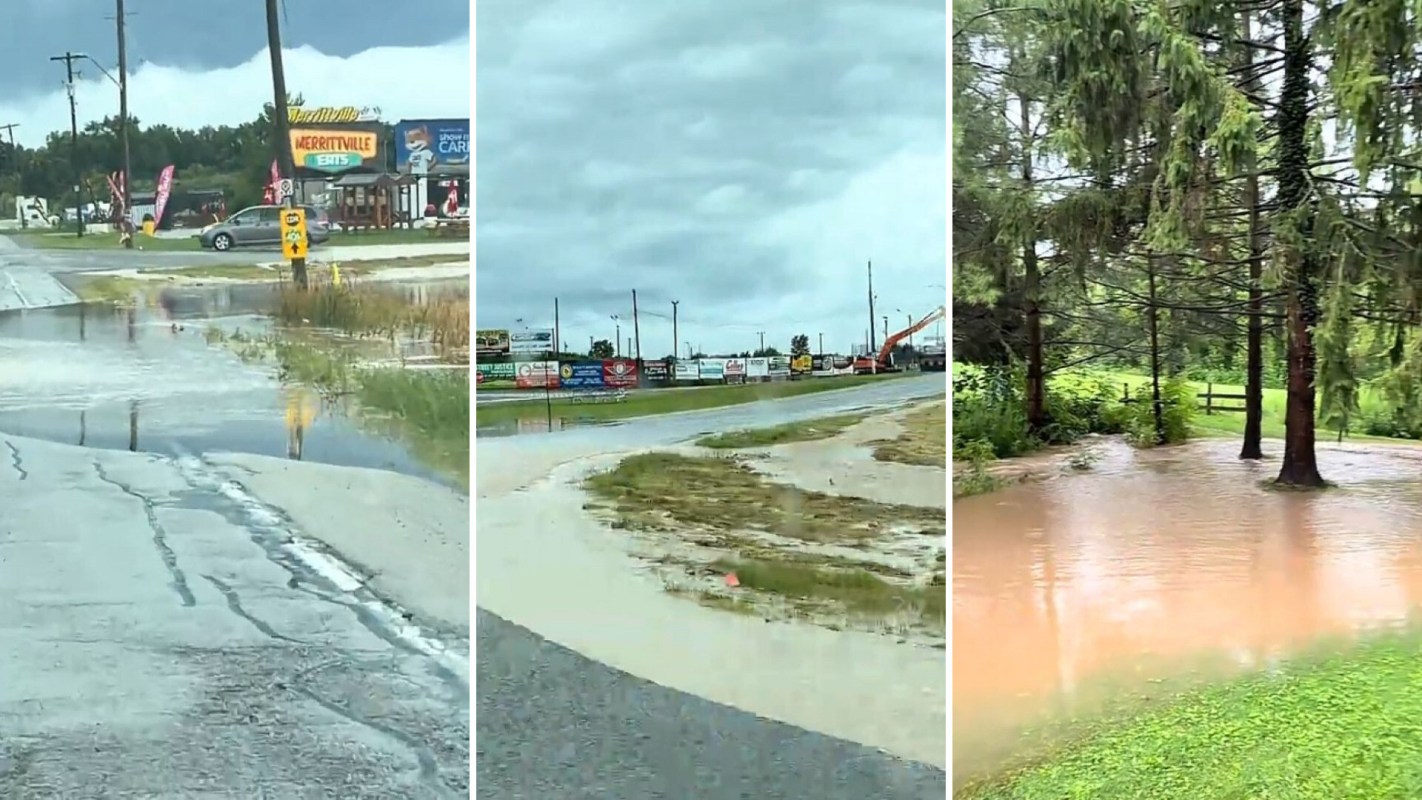
Residents in parts of Ontario's Niagara Region were still dealing with the aftermath of one round of severe flooding when another surge of high water appeared to swamp roads and neighborhoods.
One social media post showed a community already in recovery mode as more water rushed in, turning an extreme weather event into a repeated blow for people trying to get back on their feet.
What happened?
The TikTok post by Steph (@officialstephxx) shows roads underwater while people in the area were still dealing with storm damage.
"Absolutely insane flooding today, many are still cleaning up & recovering from record breaking flooding earlier in the week! I hope everyone is safe!" the creator wrote in the caption.
@officialstephxx Absolutely insane flooding today, many are still cleaning up & recovering from record breaking flooding earlier in the week! I hope everyone is safe! #weather ♬ original sound - Steph
In the comments, people said the flooding was affecting more than one part of Niagara.
Among the replies were reports from across the region: "all over Niagara.. I was out this morning, so much damage." Another said, "Thorold South a lot of flooded basements," while a third added, "North end St Catharine's flooded 2 times in a week."
TCD Picks » Quince Spotlight
💡These best-sellers from Quince deliver affordable, sustainable luxury for all




Why does it matter?
Flooding like this can upend daily life in a matter of minutes. Basements fill, cars are ruined, roads become impassable, and families can be left facing repair bills and cleanup costs.
Damage can continue even after water recedes with the risk of mold, contaminated materials, and weakened infrastructure.
As extreme weather causes worsening disasters, lives and livelihoods are at risk. For example, floodwaters can carry sewage, chemicals, and debris, creating public health risks, while repeated storms strain emergency responders and local budgets.
When homes, schools, and roads are damaged again and again, community safety and economic stability both take a hit.
Recovery becomes even harder when one flood arrives before people have finished cleaning up from the last one as it can lead to repeated insurance claims, lost wages, and emotional stress.
What can I do?
People should avoid flooded roads, stay out of standing water when possible, and follow local emergency alerts. Even shallow water can hide debris or downed power lines.
Once water recedes, it's important to document losses with photos and video to help with insurance or disaster-assistance claims. For the future, residents can also reduce more damage by checking sump pumps, installing backflow valves where appropriate, sealing foundation cracks, and moving valuables out of basements and other low-lying areas.
At the community level, stronger stormwater systems, better drainage maintenance, and flood-resilient planning can help.
Neighbors often become a crucial first line of support, whether that means helping with cleanup, sharing supplies, or checking on vulnerable residents.

Get TCD's free newsletters for easy tips, smart advice, and a chance to earn $5,000 toward home upgrades. To see more stories like this one, change your Google preferences here.







