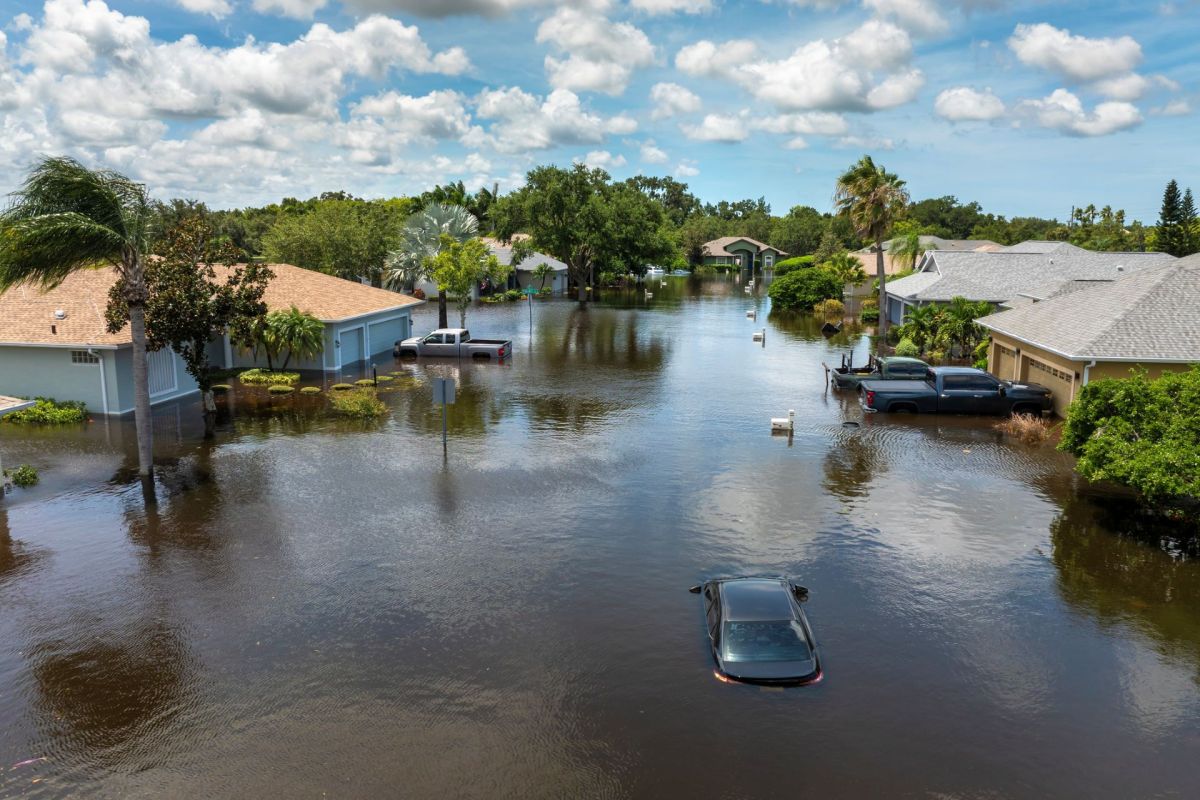
Hurricane damage does not always end when the water drains away.
New research from Florida scientists suggests flood-hit homes can keep putting residents' lungs at risk for months after a storm.
Months after hurricane flooding, the study linked new breathing problems to conditions inside damaged homes, especially indoor mold, older roofs, and the depth of flooding, Phys.org reported.
What's happening?
The work was published in the Journal of Cleaner Production by researchers at the FAMU-FSU College of Engineering and Florida State University's Resilient Infrastructure and Disaster Response Center, who examined homes damaged by Hurricane Ida in 2021 and Hurricane Ian in 2022.
To capture health effects that can show up after obvious storm damage has faded, the team looked at homes in Louisiana, parts of the Northeast, and central and southern Florida, surveying residents and collecting mold samples five to seven months after the storms.
How deep the flooding reached, how old the roof was, and how many mold spores were found indoors were among the factors most strongly associated with new respiratory symptoms.
TCD Picks » Quince Spotlight
💡These best-sellers from Quince deliver affordable, sustainable luxury for all




Bathroom fan airflow, how often people opened window blinds, and a building's airtightness also mattered.
"We pay a lot of attention to direct impacts immediately after storms, but hazardous conditions can linger after floodwaters recede," said Ebrahim Ahmadisharaf, an assistant professor and study co-author.
Why does it matter?
The findings may shed light on why coughing, wheezing, and other breathing problems sometimes appear after cleanup seems complete.
Mold has long been associated with respiratory trouble, and this study takes a closer look at which household and building conditions may intensify that risk.
In Florida and other storm-prone regions, homes can remain damp for long stretches after storms and flooding.
Even so-called nuisance flooding, a type of flooding that is not life-threatening and usually doesn't cause major property damage, can still leave behind the moisture mold needs to grow.
The results could give public health officials, insurers, and emergency managers a better sense of where the biggest health risks are.
"Knowing the factors that are most likely to affect health gives us a guide for how to intervene before health problems begin," said Yassir AbdelRazig, a professor and study co-author.
What can I do?
After a storm, the study pointed to hidden moisture, mold growth, poor ventilation, and older roof systems that may allow water intrusion to continue.
If a home has flooded, drying it thoroughly and checking for lingering dampness behind walls, under flooring, and in bathrooms can be important steps.
The researchers found that indoor conditions mattered alongside flood depth, so improving ventilation where possible and addressing mold quickly may help.
If symptoms such as coughing, congestion, or shortness of breath appear after flooding, talking with a medical professional and documenting conditions inside the home may help.
The researchers said their work could help direct limited resources more effectively.
"Engineering has a major role to play in improving human health," Ahmadisharaf said. "The indoor environments where we spend many hours of our lives are huge drivers of health. This research is about understanding that environment to help improve it."

Get TCD's free newsletters for easy tips, smart advice, and a chance to earn $5,000 toward home upgrades. To see more stories like this one, change your Google preferences here.