


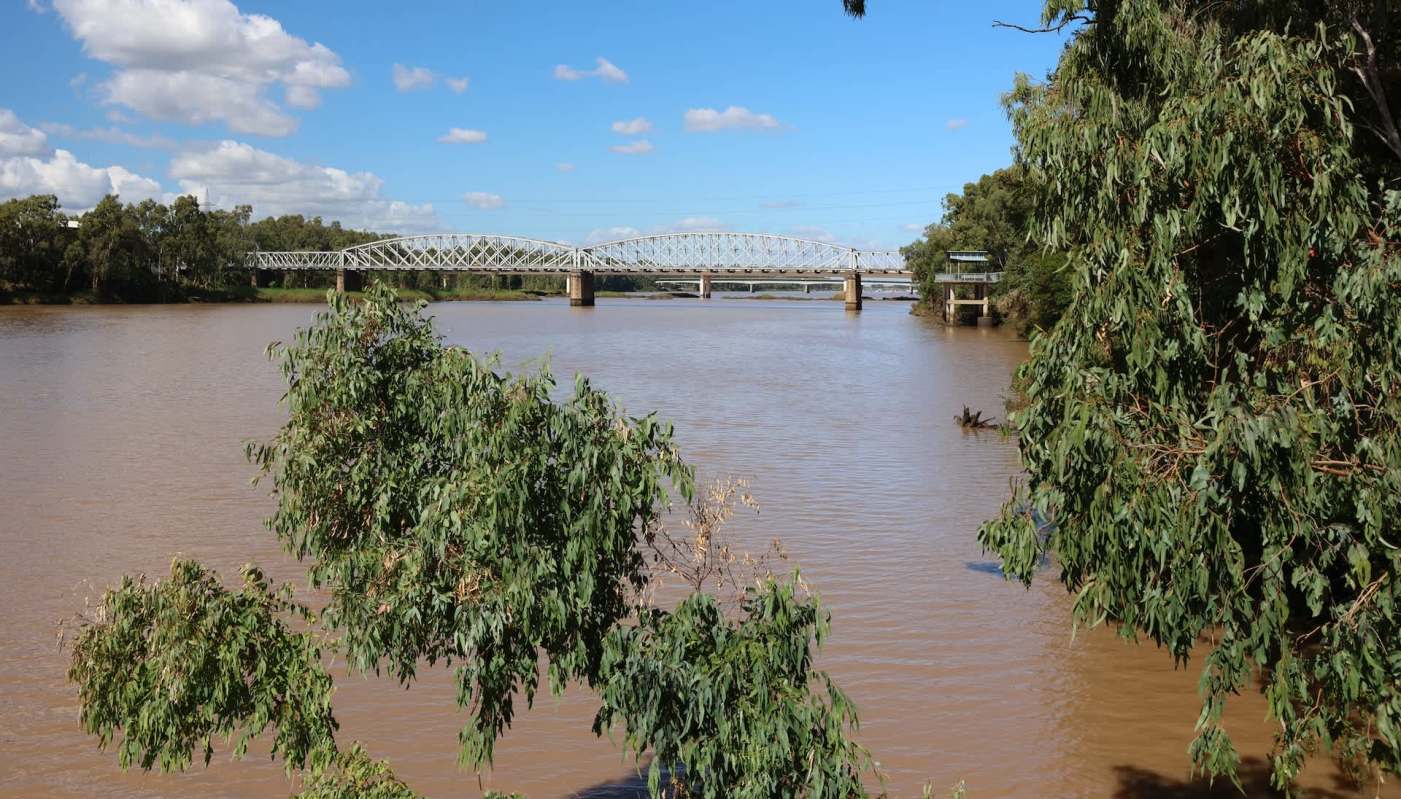
Australia has approved an Olympic rowing and canoeing venue that sounds more like the setting of a wildlife documentary than a Summer Games course: the Fitzroy River in Central Queensland, home to around 500 saltwater crocodiles.
The decision cements one of the most unusual venues of the Brisbane 2032 Olympics and is raising fresh questions about how major events are planned in landscapes already shared with wildlife.
Here's what to know
After months of debate over using a crocodile-populated waterway, the Fitzroy River in Rockhampton was confirmed on Sept. 17 as the rowing and canoeing venue for the 2032 Summer Olympics, Discover Wildlife reported.
Before receiving final backing, the flatwater course underwent an independent technical review commissioned by GIICA and carried out by WaterProof Marine Consultancy and Services B.V. World Rowing and Paddle Worldwide later supported the venue.
In a Queensland government media statement, World Rowing president Jean-Christophe Rolland said, "Based on the extensive analysis undertaken, we now know that the Fitzroy River is capable of providing fair competition conditions during the period of the Games, consistent with the requirements of Olympic and Paralympic Rowing."
Its review focused on river and weather conditions, not on the crocodiles themselves.
TCD Picks » Quince Spotlight
💡These best-sellers from Quince deliver affordable, sustainable luxury for all




Despite its reputation for "salties," GIICA said the Fitzroy already hosts flatwater sports through state school events, local regattas, and camps for national teams, Discover Wildlife reported.
What's being done?
According to Discover Wildlife, existing rowing meets on the Fitzroy already use contingency procedures when crocodiles are spotted.
One example cited by Discover Wildlife from a 2025 Guardian report is a noticeboard at Fitzroy Canoe Club advising athletes to be "Croc Wise": "enter boats briskly; don't drag arms and legs in the water; if you capsize, get out as soon as possible."
Discover Wildlife also cited a 2025 BBC report in which Brisbane 2032 President Andrew Liveris said, "There are sharks in the ocean, and we're still surfing… it's a can do, not a can't do – please change the mindset here."
Where can I learn more?
These stories explore the broader role saltwater crocodiles play in daily life across Australia's waterways. They cover risky encounters, shifting crocodile behavior, flood-driven displacement, conservation tactics, and an extremely rare genetic mutation.
• In Australia, children were spotted playing near crocodile-infested waters as outraged onlookers warned of the danger.
• In Queensland, an 8-foot crocodile was displaced by record rainfall and stranded far from home.
• In Western Australia, scientists deployed a crocodile baiting system to stop toxic cane toad deaths.
• In Weipa, Queensland, a 1-in-10,000 genetic mutation produced an extraordinarily rare leucistic crocodile.

Get TCD's free newsletters for easy tips, smart advice, and a chance to earn $5,000 toward home upgrades. To see more stories like this one, change your Google preferences here.







