


A federal appeals court refused to reconsider a decision allowing the planned transfer of Arizona's Oak Flat to Resolution Copper, keeping one of the Southwest's most closely watched land disputes alive.
For Apache advocates, conservation groups, climbers, and campers, the move marked a major setback.
Here's what to know
A split March 13 decision will remain in place after the 9th U.S. Circuit Court of Appeals on Tuesday rejected a request for rehearing by a larger panel of judges. That earlier ruling declined to stop the transfer while the lawsuit continues, according to the Center for Biological Diversity.
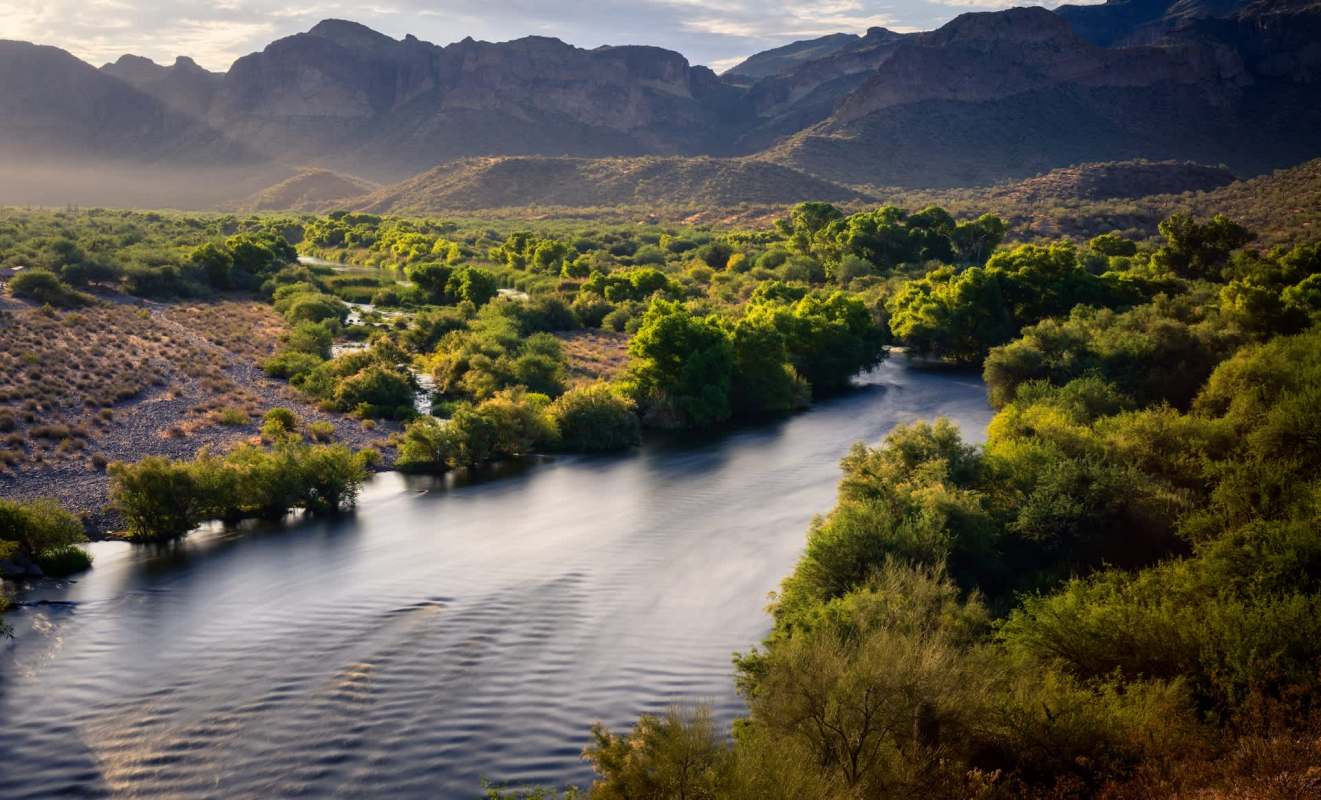
Oak Flat is part of over 2,400 acres in Arizona's Tonto National Forest, about 60 miles east of Phoenix. The land holds religious and cultural meaning for the San Carlos Apache Tribe and other tribal nations.
"Presented with a petition for rehearing en banc, our court had a second opportunity to fix our tragic error. We should have taken it," Chief Judge Mary Murguia wrote in dissent.
Separate litigation over the land swap is still moving through U.S. District Court. In that case, challengers argue the U.S. Forest Service broke federal law because its environmental impact statement did not adequately evaluate possible damage to waters, public lands, and wildlife.
TCD Picks » Quince Spotlight
💡These best-sellers from Quince deliver affordable, sustainable luxury for all




More background
Resolution Copper's proposed block-cave mine would destroy the site, with the land above it falling away into a massive crater.
It would also drain regional groundwater supplies.
Beyond its cultural importance, the area is widely used for camping, climbing, and other outdoor recreation.
"Oak Flat is a valuable climbing area with a rich history that draws climbers from across the globe, and it's a cornerstone of the region's outdoor recreation economy. We're disappointed by today's decision, but our commitment to preserving access to this irreplaceable place hasn't wavered," said Erik Murdock, deputy director at Access Fund.
What's being done?
The conservation groups and tribal organizations challenging the transfer are continuing to pursue the federal case.
"I'm deeply disappointed the court declined to take a closer look at a decision with such enormous consequences for the people of Arizona. Oak Flat is a sacred place and an ecological treasure that should belong to all of us. This fight is far from over, and we intend to pursue every legal avenue available to protect it," said Russ McSpadden, Southwest conservation advocate at the Center for Biological Diversity.
"This denial doesn't change what's at stake," Sandy Bahr, director of the Sierra Club's Grand Canyon Chapter, said. "Oak Flat's cultural, ecological and recreational value remains immense, and we'll continue pressing our case as the underlying litigation moves forward."
Where can I learn more?
These stories look at opposition to another Arizona mine, Apache-led restoration work, land conservation efforts, a tribal land-rights settlement, and a separate battle over mining near protected wilderness.
• In Arizona, residents say a fast-tracked mining project could leave nearby communities bearing the risks.
• In eastern Arizona, the USDA and White Mountain Apache Tribe are restoring threatened owl habitat after wildfire devastation.
• In Arizona's Big Chino Valley, a first-of-its-kind conservation easement protects water, wildlife, and grasslands.
• In New Mexico, the Pueblo of Jemez secured a hard-fought settlement agreement to preserve ancestral land.
• Boundary Waters advocates are sounding alarms after Congress cleared the way for mining beside protected wilderness.

Get TCD's free newsletters for easy tips, smart advice, and a chance to earn $5,000 toward home upgrades. To see more stories like this one, change your Google preferences here.







