


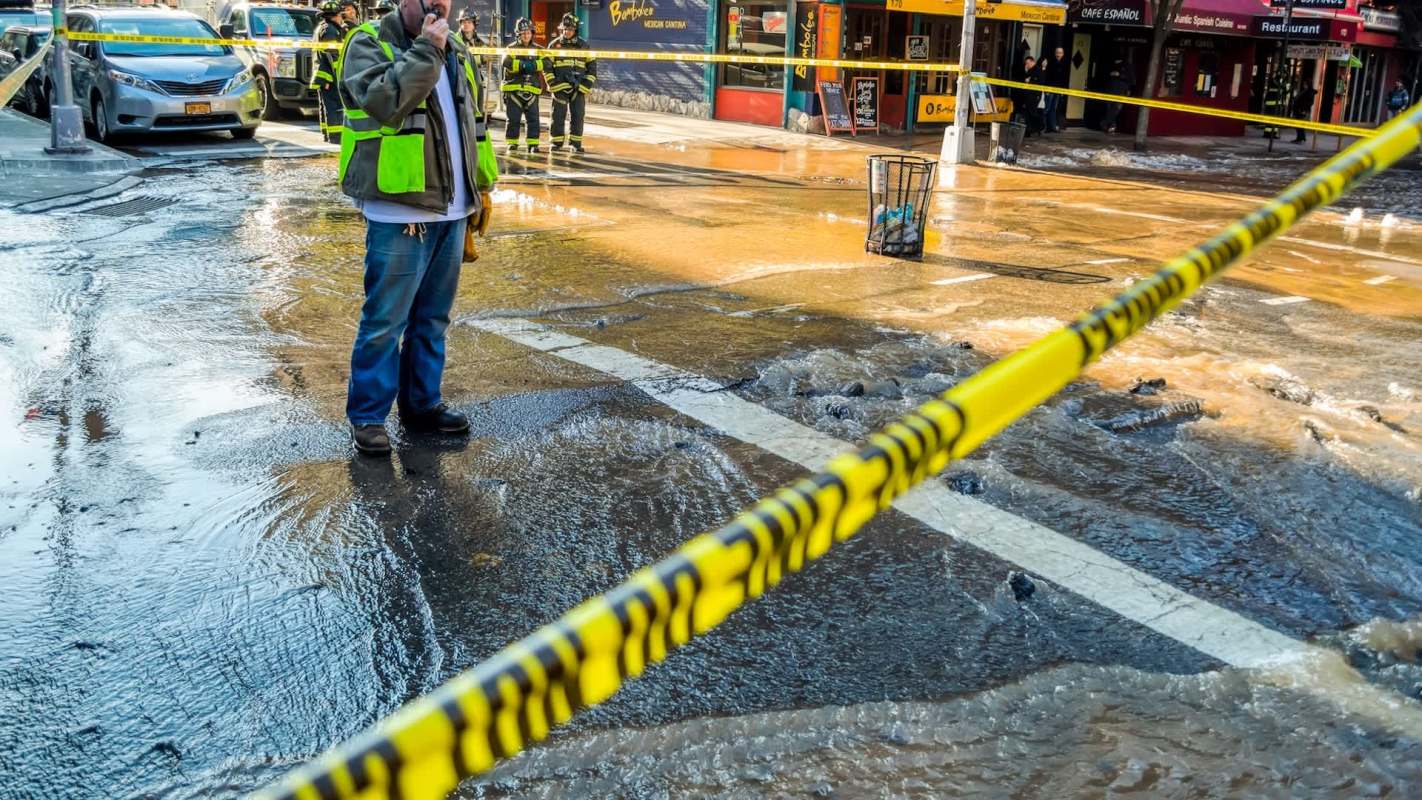
New York City is facing a troubling new reality: Flash floods struck twice in July alone, turning subway stations into waterfalls and streets into lakes. But the city is bouncing back thanks to smart engineering solutions that protect communities when extreme weather hits.
What's happening?
Extreme rainstorms hammer the Northeast 60% more often than they did in the 1950s, and New York City's infrastructure struggles to keep up. The city's sewers handle 1.7 inches of rain per hour, but storms now dump up to 3 inches per hour for extended periods.
According to City & State, the Metropolitan Transportation Authority raised subway entrances to prevent water from cascading down staircases, with workers elevating sidewalk ventilation grates to stop street flooding from reaching the subway tracks below.
"A warmer environment means that there's more moisture in the air," said Zach Iscol, commissioner of New York City Emergency Management. "More moisture in the air means you have more rainfall, and it also means you have higher rates of rain."
The July flooding brought back memories of Hurricane Ida in 2021, which killed 13 people and caused widespread damage across the region.
Why are these floods concerning?
Rising global temperatures strengthen extreme weather events, making them even more powerful and dangerous than they would be otherwise.
Flash floods threaten lives, destroy homes and businesses, and increase insurance costs. Their impacts often hit vulnerable communities — particularly those in low-lying areas that can flood repeatedly — the hardest.
Two of landlord Amit Shivprasad's tenants died when his basement flooded during Hurricane Ida, and he described feeling anxious whenever it rains.
"Every time it rains, no one goes to sleep, no one does anything," he said. "Your whole concept is look out the windows, look on the streets for any water."
Furthermore, many flood-prone neighborhoods suffer from decadeslong discriminatory practices.
TCD Picks » Quince Spotlight
💡These best-sellers from Quince deliver affordable, sustainable luxury for all




|
Do you worry about companies drilling too deep into the ground? Click your choice to see results and speak your mind. |
 Definitely 💯
 Research has shown that 67% of historically redlined districts in New York City are now environmental justice communities, where predominantly minority and low-income residents face disproportionate hazards and health risks.
What's being done about flooding in New York City?
In addition to creative engineering, the city has improved its sewer maintenance.
One year ago, 5,000 catch basins needed cleaning on any given day. Today, only 300 require attention citywide.
"We've got a long way to go, but it's getting better, and this is not the time to pull back on these investments," said Robert Freudenberg, vice president for energy and environment at the Regional Plan Association.
Major infrastructure upgrades are moving forward despite funding challenges. The Department of Environmental Protection is working on a $390 million project to increase sewer capacity in Brooklyn, and the MTA needs to upgrade 50-year-old pump rooms that remove 10 million gallons of water daily from the subway system.
The federal government previously supported these efforts through programs that provided billions of dollars for flood protection projects, but recent policy changes have created uncertainty.
Understanding how increasing global temperatures and rising sea levels contribute to flooding helps people make informed decisions around emergency preparedness and community advocacy, empowering them to push for better infrastructure and hold local officials accountable.

Join our free newsletter for good news and useful tips, and don't miss this cool list of easy ways to help yourself while helping the planet.
Cool Picks






