


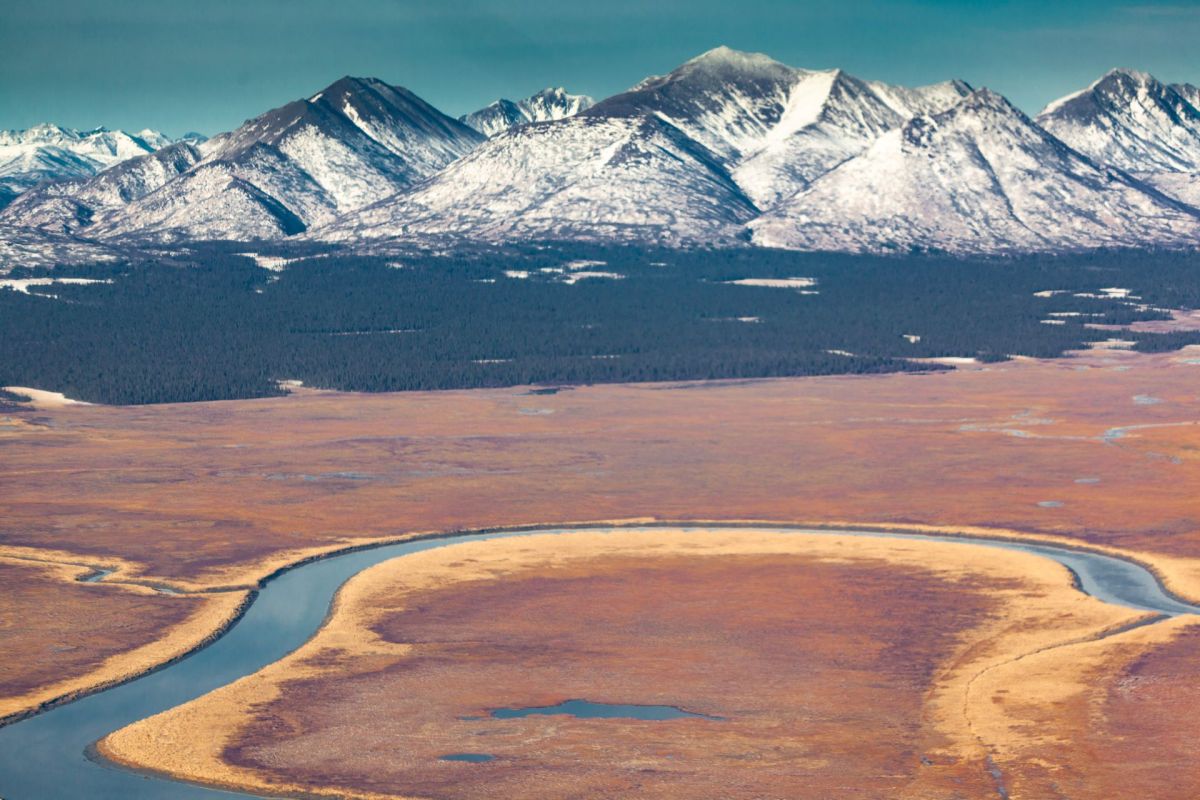
The National Petroleum Reserve-Alaska may sound like a high-security fuel depot, but it's actually a massive stretch of land home to millions of animals and a vital player in keeping the planet cool. And now, it's under serious threat.
What's happening?
On June 17, the Trump administration proposed opening nearly 82% of the NPR-A to oil and gas drilling. This includes areas specifically designated for their ecological and cultural significance.
The plan would expand development from 11.7 million acres to 18.5 million, forever altering regions vital to the survival of Arctic caribou herds, nesting grounds for over 4.5 million shorebirds, and denning sites for polar bears and wolverines.
"The decisions made today will shape the future of the Arctic," conservation biologist and molecular ecologist Mariah Meek warned in an article for The Conversation, calling the plan "difficult — if not impossible — to reverse."
Why is this concerning?
This part of Alaska is one of the last intact ecosystems in the United States, and disrupting it could cause ripple effects far beyond its borders.
Drilling infrastructure such as roads and pipelines fragments habitats, alters water flows, and weakens the very permafrost that supports it. This means greater erosion and the release of large amounts of heat-trapping pollution locked in soil.
And that's before factoring in the pollution added by the oil operations themselves.
Even animals that survive the direct effects often suffer indirect ones. A study published in the journal Ecology and Evolution found caribou mothers avoid calving near roads, while research shared in the journal Nature described how industrial noise can stop birds from nesting.
Similar concerns are playing out across the Arctic. Sea ice has plummeted to near-record lows, and heat advisories have even been issued in Alaska, a state once defined by its cold.
What's being done to push back?
The Biden administration supported scaled-back drilling in this region, such as with the Willow project, which was met with significant outcry. Public pressure and scientific reports helped reduce the scope of that plan. The same tactics can be used again.
TCD Picks » Quince Spotlight
💡These best-sellers from Quince deliver affordable, sustainable luxury for all




As an individual, the best thing you can do is stay informed through groups such as The Wilderness Society, which released a report outlining the reserve's ecological value. You can also contact your representatives to express concern about drilling expansion.
|
Do you worry about air pollution in your town? Click your choice to see results and speak your mind. |
 All the time 💯
Join our free newsletter for good news and useful tips, and don't miss this cool list of easy ways to help yourself while helping the planet.
Cool Picks




