


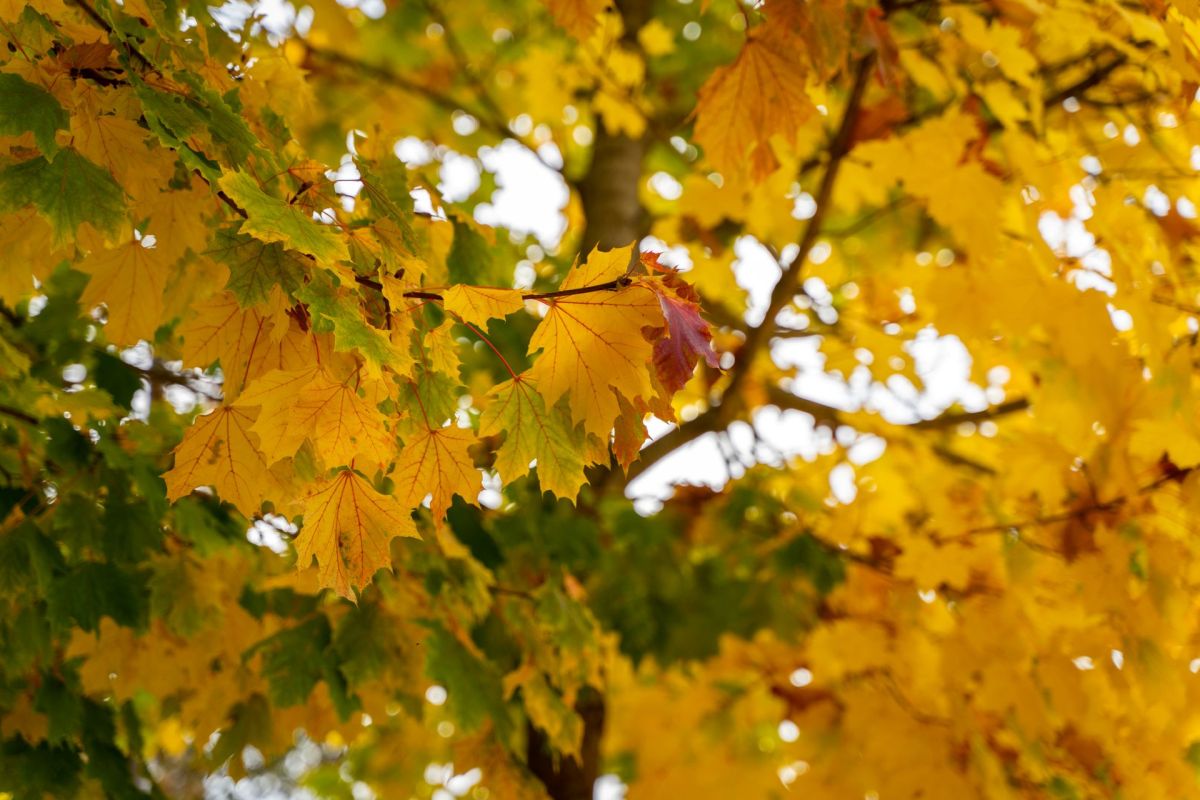
What began as a solemn tribute to Washington, D.C., residents killed in World War I ultimately helped reshape one of the city's most important natural spaces.
The Economic Times reported on how Norway maple trees planted along 16th Street NW in 1920 spread into nearby Rock Creek Park and created imbalance in the surrounding ecosystem.
Here's what to know
By early 1922, the memorial had reached 530 trees and markers after 23 were added for people left out of the original tribute. The initial dedication took place on Memorial Day, May 30, 1920, with 507 Norway maples planted between Alaska Avenue and Allison Street NW.
As the Economic Times noted, the species was popular in 1920 because it handled difficult city conditions well and established itself quickly as a shade tree.
Those same traits made the tree hard to contain. Since the memorial plantings stood along the eastern edge of Rock Creek Park, the wind could move seeds straight into the forest, and even after the original roadside trees declined, the offspring growing inside the park kept reproducing.
In Rock Creek Park, the National Park Service classifies Norway maple as a highly invasive tree because it can negatively impact local vegetation and change the forest's overall makeup.
TCD Picks » Quince Spotlight
💡These best-sellers from Quince deliver affordable, sustainable luxury for all




More background
Rock Creek Park spans roughly 1,754 acres of urban forest, giving residents and visitors access to wildlife habitat and cleaner air in the middle of a dense city.
The Economic Times noted separate research from the 1960s and 1990s found poorer biodiversity in places dominated by Norway maple, including fewer locally established saplings and lower species richness. Areas beneath more locally established trees, like sugar maple and American beech, had more biodiversity.
Fewer native plants can mean weaker habitat for insects and birds, reduced forest resilience, and a less healthy park for surrounding communities that depend on it as a public green space.
According to an estimate from the service, Norway maple has spread into almost 30% of the park's interior forest land, the Economic Times said.
What can be done?
Managing land can begin with identifying where introduced trees have spread and preventing them from gaining even more ground.
Replacing introduced trees with local species can help restore healthier forest layers over time. They can support more local wildlife and give future generations a better chance of inheriting well-balanced ecosystems.
Choosing regionally appropriate trees for land management projects can also help cities expand tree cover without creating new ecological problems.

Get TCD's free newsletters for easy tips, smart advice, and a chance to earn $5,000 toward home upgrades. To see more stories like this one, change your Google preferences here.







