


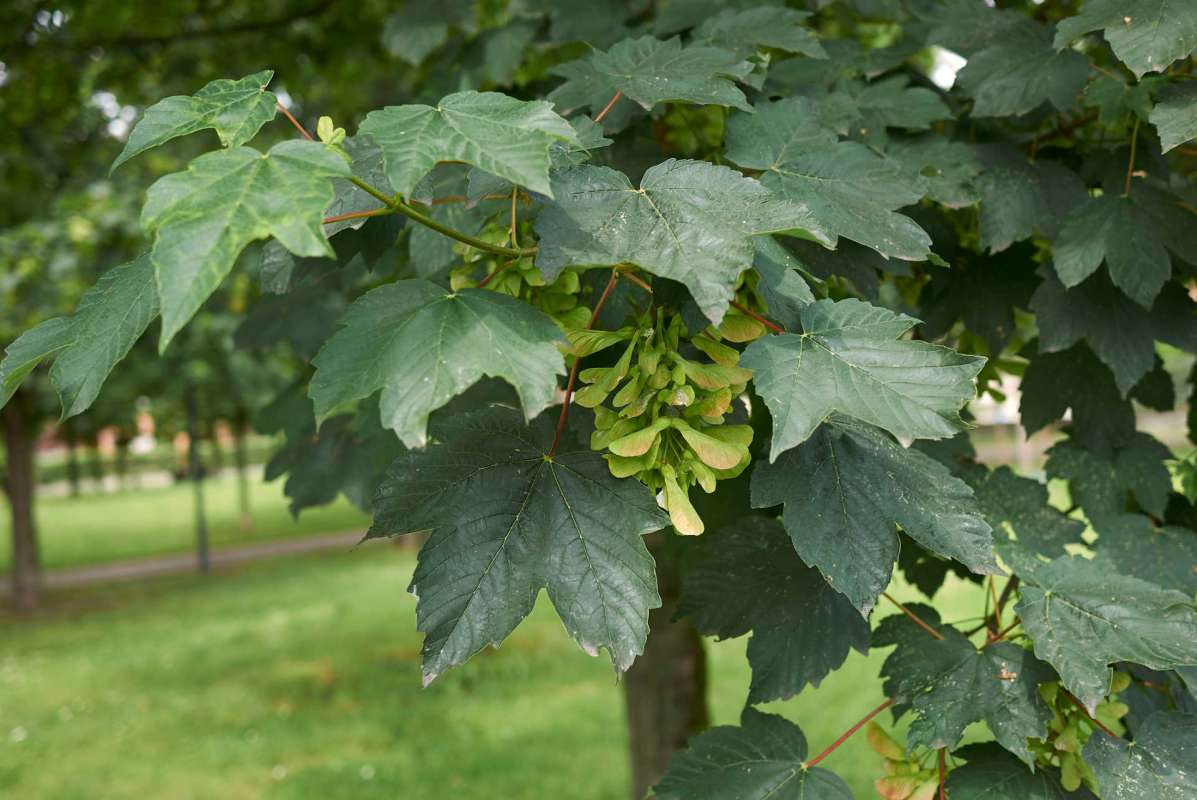
A Norway maple's bare, heavily shaded understory can make it look useful in roadside plantings and parks.
A Reddit conversation, however, focused on why that is damaging in places that support native species.
What's happening?
The thread brought together homeowners and native plant fans to talk about why Norway maples are labeled invasive.
In a comment, the original poster wrote, "I was wondering why we can't leverage the fact that nothing grows under them to shade out aggressive shrubs and thorny things."
Other users argued that the issue is not just the lack of plants beneath the canopy.
"They don't have a role as they didn't coevolve with other organisms here," one person wrote. "And they are really invasive for a number of reasons. They shade out natives and disrupt native mycorrhizal fungi."
TCD Picks » Quince Spotlight
💡These best-sellers from Quince deliver affordable, sustainable luxury for all




A recurring theme was that the trees spread and block light over the growing season.
Commenters said Norway maples seed aggressively, produce unusually dark understories, leaf out early, and keep their leaves later than many native trees.
"They create much darker understories that leaf out much longer than a native forest would," one person said.
Others pointed to everyday maintenance problems, including "endless volunteer saplings" and weak limbs.
As one user put it, "They drop branches at the merest hint of wind."
Why does it matter?
Many commenters focused less on shade and more on what Norway maples fail to contribute compared with native trees.
One birder offered a vivid comparison, writing, "During migration the red oak is filled with warblers and the Norway maple almost always has none."
The discussion emphasized that trees are part of a much larger system, supporting caterpillars, other insects, fungi, birds, and the food web around them.
When Norway maples replace native maples, oaks, shrubs, and spring wildflowers but support less ecological activity, the result is a less resilient landscape.
Users also described their practical downsides: saplings popping up in neighboring yards, deep shade that keeps desirable plants from establishing, and expensive removals once old trees become unsafe.
In sum, Norway maples can reshape an area over time, lowering biodiversity and creating more maintenance rather than less.
What can I do?
If you already have a Norway maple, commenters recommended controlling seedlings and working toward replacement with native species over time.
Some said they were establishing red maple, silver maple, oak, serviceberry, holly, and other native trees and shrubs nearby before taking out mature Norway maples.

Get TCD's free newsletters for easy tips, smart advice, and a chance to earn $5,000 toward home upgrades. To see more stories like this one, change your Google preferences here.






