


North Carolina now leads the country in estimated venomous snakebites when the numbers are adjusted for population, even though another state still has more bites overall.
In practical terms, residents and visitors in the Tar Heel State face a greater population-adjusted risk than people in Texas or anywhere else when warm weather increases the odds of a snake encounter.
What's happening?
WLOS reported North Carolina averages 856 venomous snakebites a year, according to a national analysis using data from playcasino.com and WorldPopulationReview.com. Relative to population, that amounts to 18.8 incidents per 100,000 people.
The Lone Star State had the largest estimated annual total, at more than 1,400 bites. After population was factored in, however, Arkansas moved into second place with 17.2 incidents per 100,000 people. Texas' rate fell to 14.7, and Georgia and West Virginia filled the next spots behind it at 13.4 and 11.3.
That danger can extend into a wide range of North Carolina during warm months, including Piedmont yards, Blue Ridge hiking paths, coastal plain marshes, campsites, and other outdoor spaces.
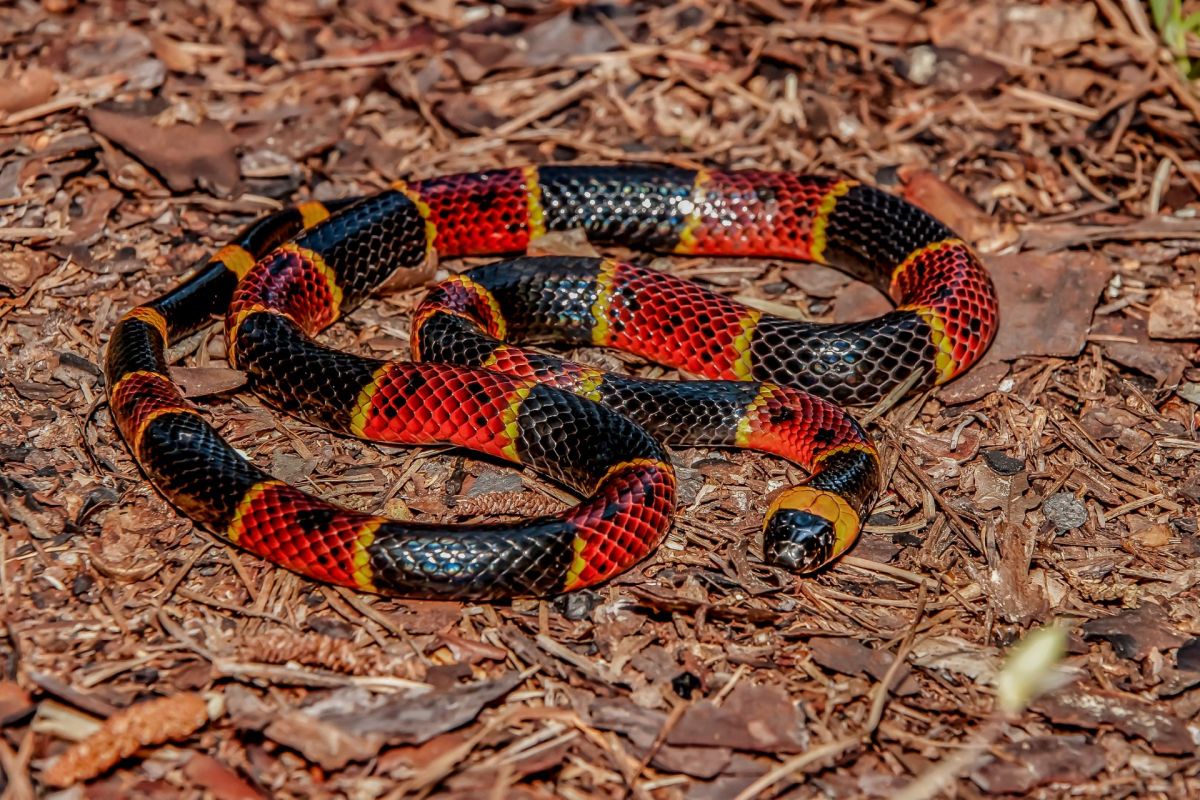
The state's venomous snakes include copperheads, cottonmouths, rattlesnakes, and the uncommon eastern coral snake. Copperheads are the species people are most likely to encounter, as they appear in wooded places and suburban neighborhoods.
TCD Picks » Quince Spotlight
💡These best-sellers from Quince deliver affordable, sustainable luxury for all




Why does it matter?
Snakebite risk is not limited to remote wilderness. It can be a problem much closer to home, especially as development expands into natural habitat and more people spend time gardening, hiking, or relaxing outdoors in snake territory.
Many bites happen when snakes are accidentally stepped on or otherwise disturbed. These incidents are often tied, at least in part, to human activity rather than aggression by the animal. A copperhead concealed in leaves near a backyard walkway or trail edge can be especially easy to miss.
Even when bites are rarely fatal, they can still become serious medical emergencies.
The Centers for Disease Control and Prevention says symptoms may include "puncture marks; bleeding, redness, swelling, bruising, or blistering; and severe pain and tenderness," along with nausea, vomiting, breathing trouble, vision problems, and muscle twitching.
Knowing which snakes live in your area — and how to respond if you see one — can reduce panic and prevent dangerous mistakes.
What can I do?
If you are bitten, the most important step is to get medical help immediately. Experts say to move a safe distance away so you do not risk another bite, then call 911 or seek emergency care.
If it can be done safely, take a photo of the snake from a distance to help medical professionals identify the species. It is recommended to remove tight clothing, rings, or watches before swelling potentially worsens, clean the wound gently with soap and water, then use a fresh dressing.
Do not try to pick up or trap the snake. Do not apply a tourniquet, suck out the venom, put ice on the wound, or take aspirin or ibuprofen since those medicines can thin the blood.
To reduce the chances of an encounter in the first place, watch where you step or place your hands, especially in leaf litter, wood piles, tall grass, and along trail edges.
In yards and campsites, keep areas tidy and give snakes space to help both people and wildlife avoid a harmful run-in.

Get TCD's free newsletters for easy tips, smart advice, and a chance to earn $5,000 toward home upgrades. To see more stories like this one, change your Google preferences here.







