


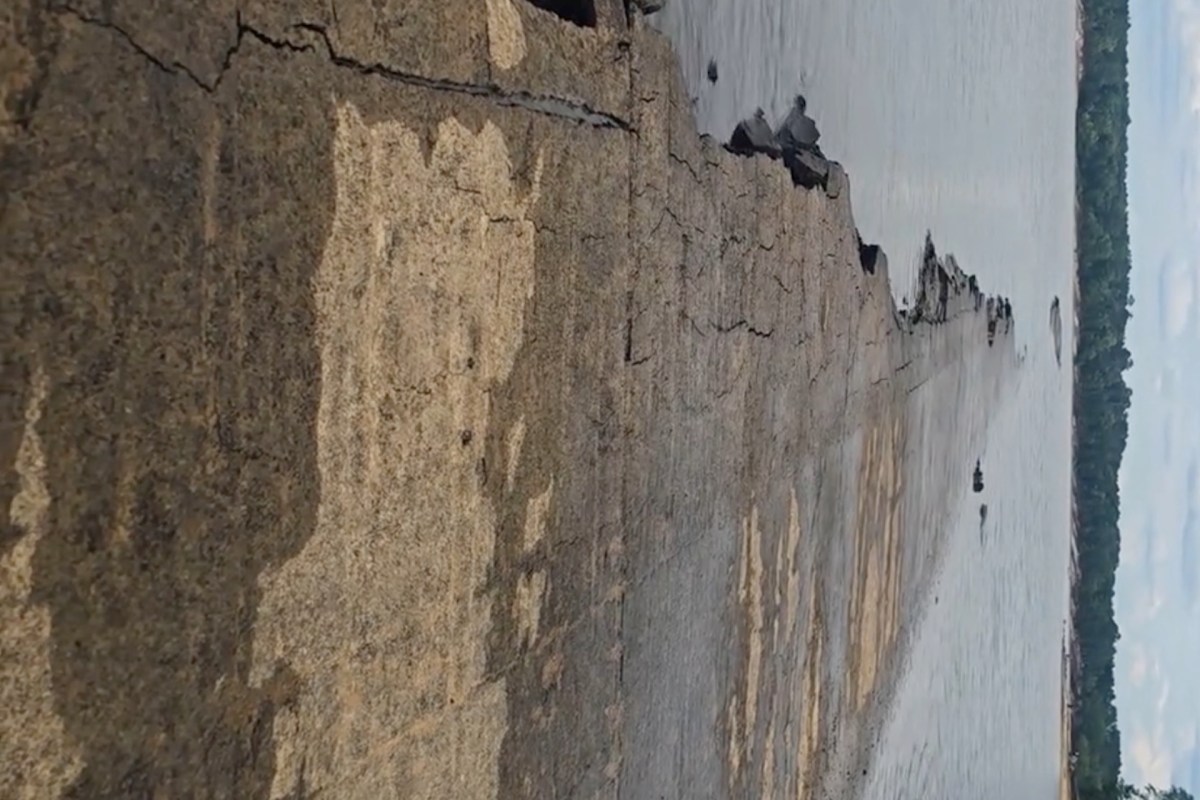
A falling water level at Jordan Lake in North Carolina revealed a remnant of the past. After severe drought pulled the reservoir down, film and street photographer Nick Pirro (@nicksucio) showed a road that had been hidden underwater.
Here's what to know
Pirro shared the scene in a TikTok that drew almost 450,000 views. The road and remnants of an abandoned community have resurfaced previously, including in 2023, WRAL reported at the time, about 40 years after the lake was created.
@nicksucio When the water drops, history shows up. This summer's severe NC drought dried up Jordan Lake just enough to reveal a forgotten road that's been underwater for decades. #jordanlake #drought #summerheat ♬ Seagulls & Sea - Sea Dreams Music Universe
"When the water drops, history shows up," Pirro wrote.
He chalked up the sighting to North Carolina's severe drought. The footage is stunning, as the old infrastructure disappears into the lapping water.
The footage also prompted viewers to think about what existed there before the reservoir.
"This place is super haunted because it used to be a whole town," one commenter wrote.
TCD Picks » Quince Spotlight
💡These best-sellers from Quince deliver affordable, sustainable luxury for all




More background
When water drops in reservoirs, it can uncover foundations, roads, trees, and other remnants of landscapes that were once on dry land.
This also underscores how worsening extreme weather disasters threaten lives and livelihoods. Drought can strain drinking water supplies, damage crops, raise food prices, increase wildfire risk, and hurt businesses that depend on healthy lakes and reliable tourism.
When communities shift into prolonged dryness or frequent heavy rain, public health, safety, and economic stability can all be at risk.
For residents, lower water levels can also affect recreation, jobs, and infrastructure planning. A lake that is dramatically different from year to year may signal broader stress on the systems people rely on, from water storage to outdoor economies.
At the same time, exposed infrastructure can spark conversations about regional history, land use, and how communities have changed over time.
"It feels so weird how so many towns are just buried and turned into lakes," one user wrote.
That thought prompted someone else to reference the history of the area now covered by the lake.
"A lot of them are previous Black communities, too, sadly," someone else responded.
What can be done?
At the community level, drought response often begins with water conservation measures, reservoir management, and public advisories that help residents understand changing conditions. Local officials can also invest in more resilient water systems and planning that accounts for longer dry spells and more volatile weather patterns.
For individuals, the most practical steps are often the simplest: reducing unnecessary outdoor watering, fixing household leaks, and staying aware of heat and wildfire conditions during dry periods.
People who live near lakes and reservoirs can monitor official channels before boating, fishing, or visiting shorelines, as changing water levels can create safety risks and unstable terrain.

Get TCD's free newsletters for easy tips, smart advice, and a chance to earn $5,000 toward home upgrades. To see more stories like this one, change your Google preferences here.







