


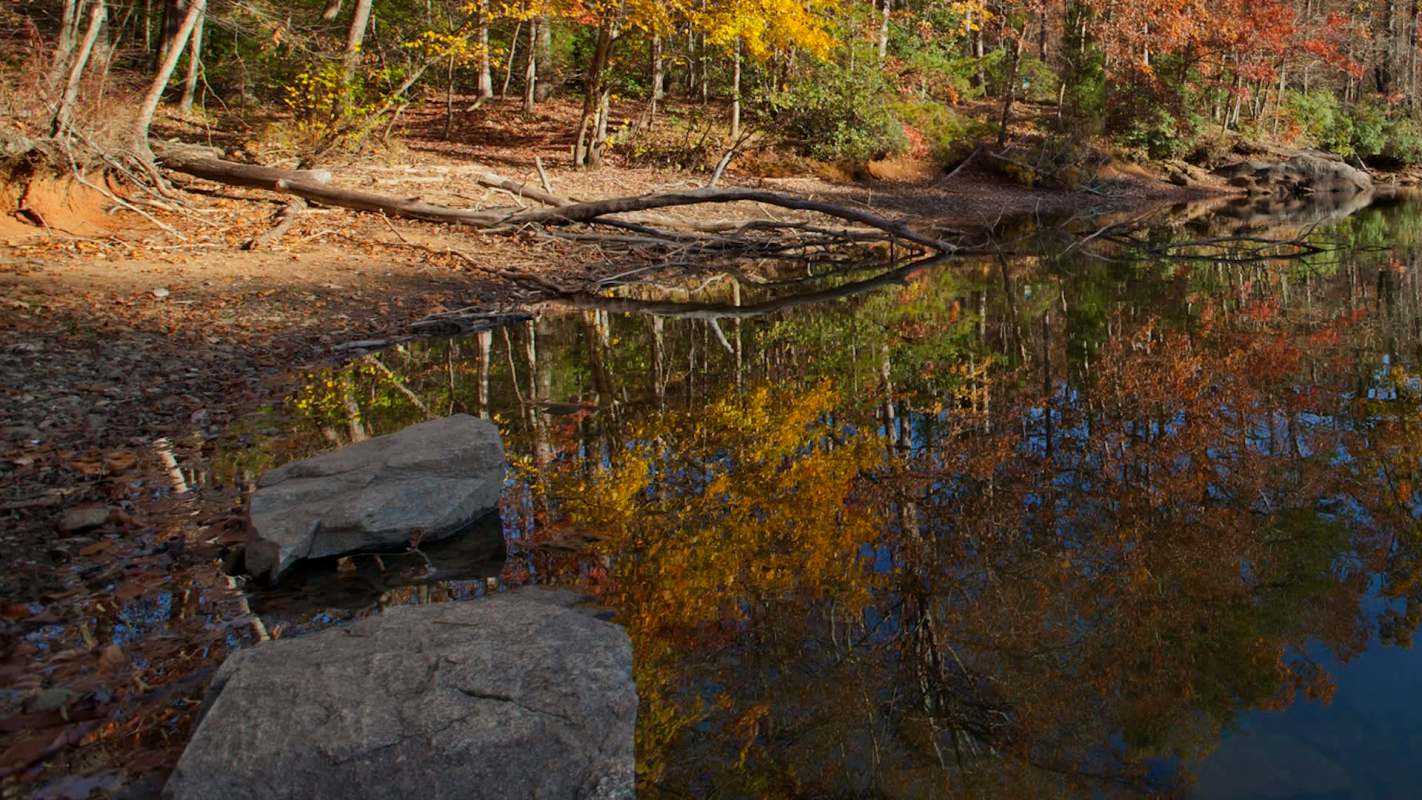
Families planning a Fourth of July cooldown at Lake Norman will have to make other plans, as Ramsey Creek Beach remains closed.
At Ramsey Creek Park, the beach did not open for the 2026 season due to drought-driven low water levels. A spot that would normally attract holiday visitors is instead another reminder of how dry conditions can disrupt everyday summer routines.
What's happening?
According to FOX8, Ramsey Creek Beach has been closed for the entire season because the water is too low.
Duke Energy says Lake Norman is running about 5 feet below its normal full pond level following months of drought in the area. With the lake that far down, the beach cannot be used at the same point in the summer when people would usually head there to cool off.
The closure is especially noticeable over the Fourth of July weekend, typically one of the busiest times of the year for lakeside recreation. Ramsey Creek is a popular spot for swimming, gatherings, and day trips.
Instead, visitors are being met with an empty shoreline. Drought can also shut down the places people rely on for rest, relief, and summer traditions.
TCD Picks » Quince Spotlight
💡These best-sellers from Quince deliver affordable, sustainable luxury for all




Why does it matter?
A closed beach means fewer safe, affordable places to cool off during hot weather, especially for families who may not have access to a pool or the means to travel elsewhere.
Low lake levels can also create ripple effects for local businesses that depend on holiday crowds, from nearby restaurants to recreation outfitters. When fewer visitors arrive, the economic impact can spread quickly through a community that relies on summer traffic.
Extreme weather disasters threaten lives and livelihoods. Drought can intensify heat stress, limit access to cooling spaces, strain water supplies, and disrupt local economies.
That combination can affect public health, community safety, and household budgets all at once.
Climate-related disruptions are showing up in everyday routines, not just during headline-grabbing disasters.
What's being done?
The beach will remain closed until conditions improve because of low water levels.
At home, small steps can also help households manage prolonged dry periods. Cutting back on unnecessary outdoor watering, fixing leaks, and using water-efficient appliances can lower utility bills while easing pressure on local water supplies.
Communities may need to continue adapting to increasingly frequent extreme weather by improving drought planning, protecting public recreation areas, and expanding safe cooling options when heat and water shortages overlap.
Ramsey Creek Beach's empty shoreline shows how drought can interrupt holiday plans, limit safe relief from extreme heat, and change the way communities use the places they depend on most.

Get TCD's free newsletters for easy tips, smart advice, and a chance to earn $5,000 toward home upgrades. To see more stories like this one, change your Google preferences here.







