


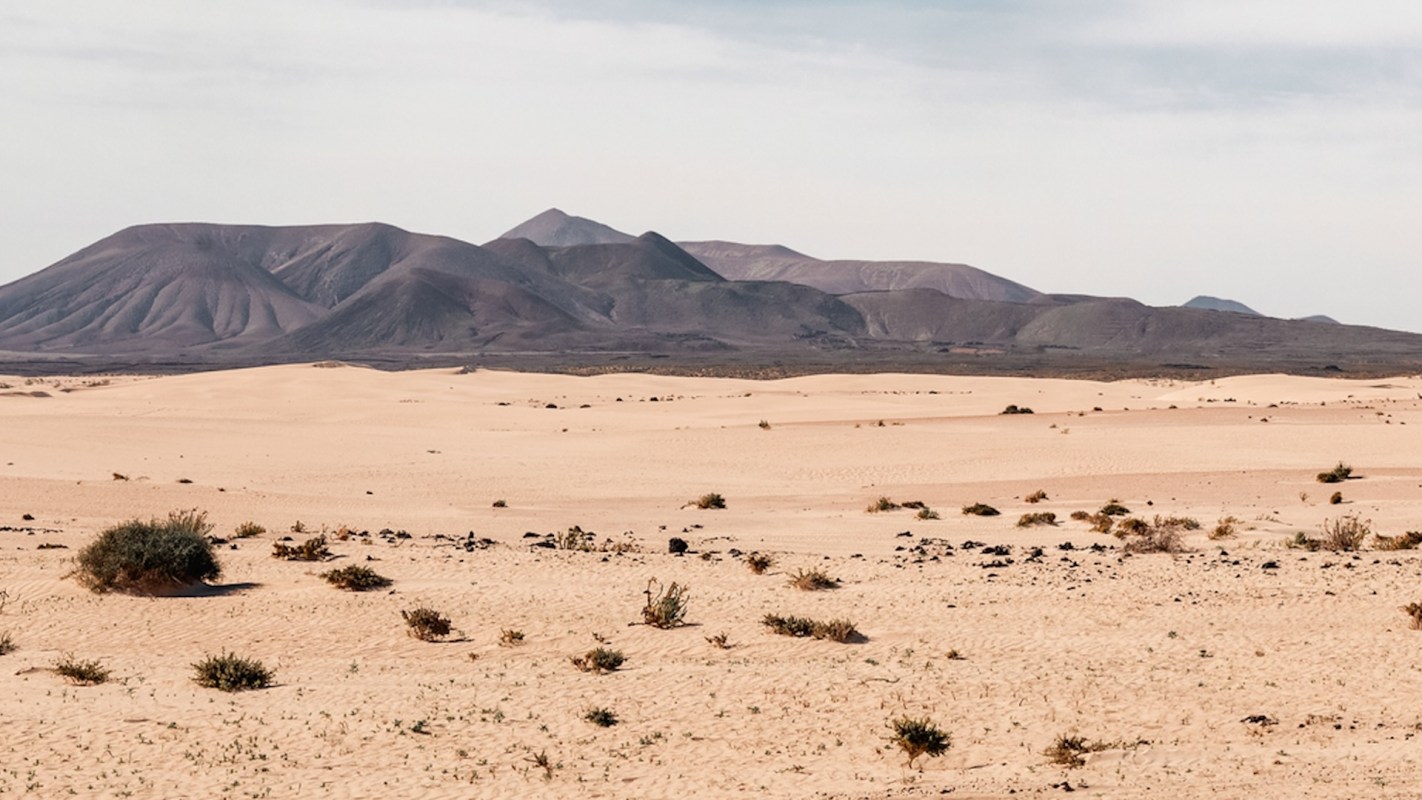
Non-native plants are outcompeting local species in dry ecosystems around the world, and heavy grazing and fertile soils are helping them do it, according to a study published in the journal Nature Ecology & Evolution.
What's happening?
Scientists from Leipzig University and the German Centre for Integrative Biodiversity Research (iDiv) looked at 98 sites spanning six continents and 25 countries to learn what gives non-native plants a foothold in dry regions. Their dataset, which spanned 2016 to 2019, tracked 41 perennial species that had been introduced from elsewhere.
"The establishment of these species seems to depend largely on local conditions," professor Nico Eisenhauer said in a news release.
The team found that land worn down by intense grazing with fertile soil gave non-native species the biggest advantage. Those plants tended to outpace and outsize native ones, letting them grab a larger share of underground nutrients. Soil richness, the speed at which organic matter breaks down, and a wider range of fungi in the soil all worked in the invaders' favor.
One bright spot: Places with many different native plants were much better at keeping non-native species in check.
"Greater biodiversity protects drylands from invasive plants," said Soroor Rahmanian, a joint first author of the study.
Why is the spread of non-native plants concerning?
Roughly 45% of all land on Earth is classified as dryland, and over 2 billion people live in these regions. When non-native species take hold, they can crowd out the plants that local wildlife and communities depend on.
Native plants keep soils stable, support pollinators, and feed the animals that live in these dry regions. Once invaders push them aside, the whole food web can start to unravel, threatening the livelihoods of people who rely on the land for farming and grazing.
Losing native plant diversity weakens an ecosystem's ability to bounce back from drought, fires, and other stresses, which puts communities in an even tougher position as temperatures continue to climb.
What can I do to help protect native plants?
If you have a yard or garden, filling it with native plants is one of the most direct ways to support local ecosystems. They're adapted to your area's soil and weather, which means they need less water and fewer chemicals to thrive.
TCD Picks » Quince Spotlight
💡These best-sellers from Quince deliver affordable, sustainable luxury for all




|
Which of these savings plans for rooftop solar panels would be most appealing for you?
Click your choice to see results and earn rewards to spend on home upgrades. |
 Save $1,000 this year 💸
 Look up which plants are native to your region through your state's cooperative extension program or a local native plant society.
Contact your local and state representatives to voice your support for land management policies that limit overgrazing and prioritize native habitat protection.

Get TCD's free newsletters for easy tips to save more, waste less, and make smarter choices — and earn up to $5,000 toward clean upgrades in TCD's exclusive Rewards Club.
Cool Picks






