


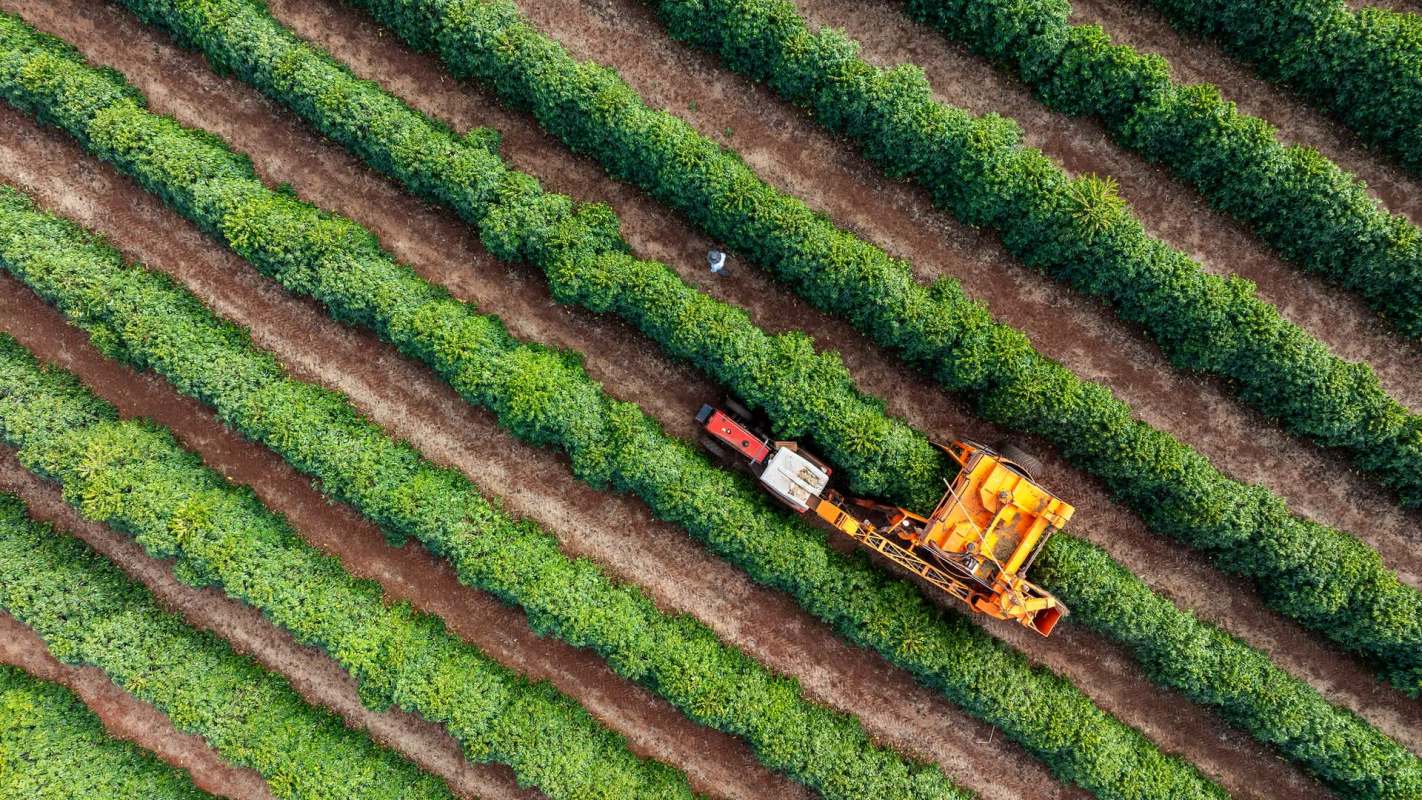
Researchers interviewed hundreds of smallholder Nigerian farmers to understand how climate change is affecting their main crops.
What's happening?
Agriculture in Nigeria supports roughly 60% of the population's livelihoods and contributes approximately 30% to the gross domestic product. Changes in the climate have posed critical challenges for Nigerian farmers, especially since most crops are rain-fed rather than irrigated.
However, to predict how these changes will affect individual crops and farms so that farmers can learn to adapt, research is needed. That's why, according to The Conversation, researchers interviewed Nigerian farmers about their crops.
They interviewed 480 farmers across the country to determine how their key crops, including yams, soybeans, maize, millet, cassava, rice, and sorghum, fare under extreme weather conditions.
According to the study, "The findings reveal that drought (61%) is the most severe climatic threat …. Flooding (14%) also poses challenges, particularly for maize and cassava, whereas high-temperature intensity has a relatively lower impact on all crops."
Why are these findings concerning?
Extreme weather is wreaking havoc on crops worldwide. Farmers in Argentina have dealt with crop losses due to extreme temperatures and drought, while flooding in Nepal has damaged several crops.
TCD Picks » Quince Spotlight
💡These best-sellers from Quince deliver affordable, sustainable luxury for all




In Nigeria, droughts have become more frequent and longer-lasting over the past 20 years, while extreme dry spells have increased roughly 28% since the 1990s. Meanwhile, erratic rainfall and poor drainage have worsened flooding in several parts of the country.
However, when questioned by the researchers, only 42.3% of Nigerian farmers reported receiving information about climate change. This lack of information limited farmers' ability to make informed decisions on how to adapt.
This extreme weather, caused by rising global temperatures resulting from the use of energy sources like oil, is making it increasingly difficult to grow crops. As crop yields decline, farmers lose significant income, even as the cost of growing food continues to rise, making it vital that they receive better information.
If this trend continues, more farms will eventually shut down, leading to numerous job losses in the farming industry. More importantly, these losses reduce the food available to consumers, creating food scarcity and driving up the cost of what little remains.
|
Which of these savings plans for rooftop solar panels would be most appealing for you?
Click your choice to see results and speak your mind. |
 Save $1,000 this year 💸
 What's being done to help Nigerian farmers?
The researchers made several suggestions for how Nigerian farmers can better adapt to extreme weather. These included planting drought-resistant crop varieties, constructing drip irrigation systems, creating farming cooperatives, providing new training and technology, and improving drainage systems.

Get TCD's free newsletters for easy tips to save more, waste less, and make smarter choices — and earn up to $5,000 toward clean upgrades in TCD's exclusive Rewards Club.







