


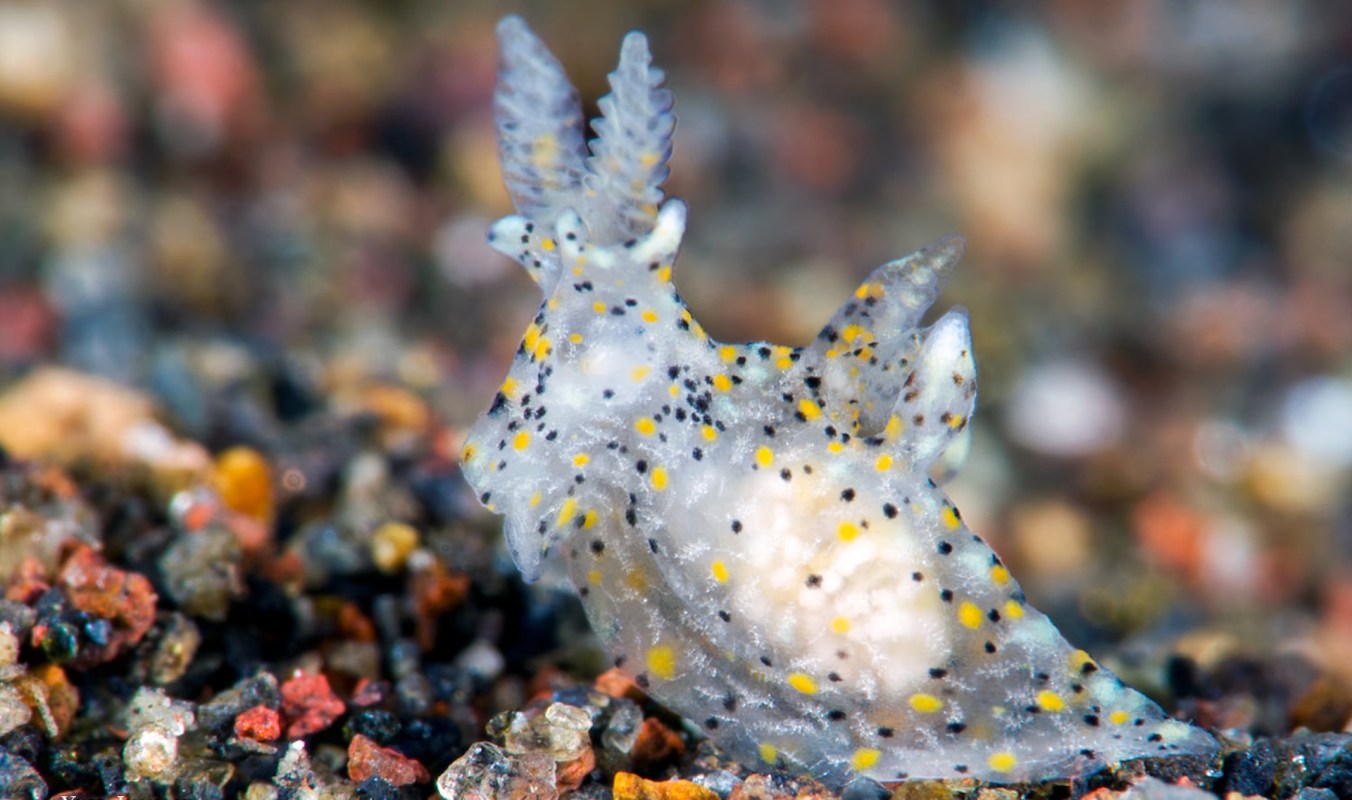
A tiny marine discovery is making waves online after Reddit users learned that a newly described sea slug is about the size of a sesame seed.
The post, shared in a subreddit dedicated to "nature's best," is sparking discussion because the animal, Thecacera sesama, is under 3 millimeters long, or roughly 0.1 inch.
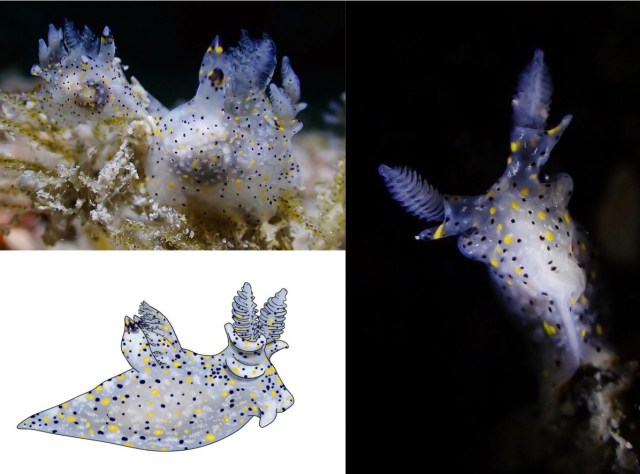
This is the first species added to the Thecacera genus in almost 30 years, according to researchers.
Scientists found the species in waters northeast of Taiwan, gathering six specimens over the span of four years, Curious Species reported.
That timeline reflects how difficult the area is to study. As the publication explains, colder, rougher waters dominate from October to April, and typhoon season runs along the coast from May through September.
Redditors were amazed by the small and unusual the "sesame seed sea slug." After all, it's not often people encounter a new species small enough to nearly vanish on the tip of a finger.
TCD Picks » Quince Spotlight
💡These best-sellers from Quince deliver affordable, sustainable luxury for all




"It's wild that something smaller than a sesame seed can still have that much detail and patterning," one commenter wrote.
The significance of discoveries like this goes beyond internet fascination.
Identifying and documenting species helps scientists better understand marine biodiversity and the health of coastal ecosystems. The more researchers know about what lives in places like Taiwan's nearshore waters, the better equipped conservationists and policymakers are to protect habitats that also support fisheries, tourism, and ocean resilience.
It is also a reminder that even in places scientists have studied for years, there is still plenty left to find. In this case, weather and seasonal conditions made the work especially slow, limiting when divers could safely get into the water.
The discovery reflects both the richness of the ocean and the difficulty of studying it as climate pressures and extreme weather continue to affect coastal environments.

Get TCD's free newsletters for easy tips, smart advice, and a chance to earn $5,000 toward home upgrades. To see more stories like this one, change your Google preferences here.







