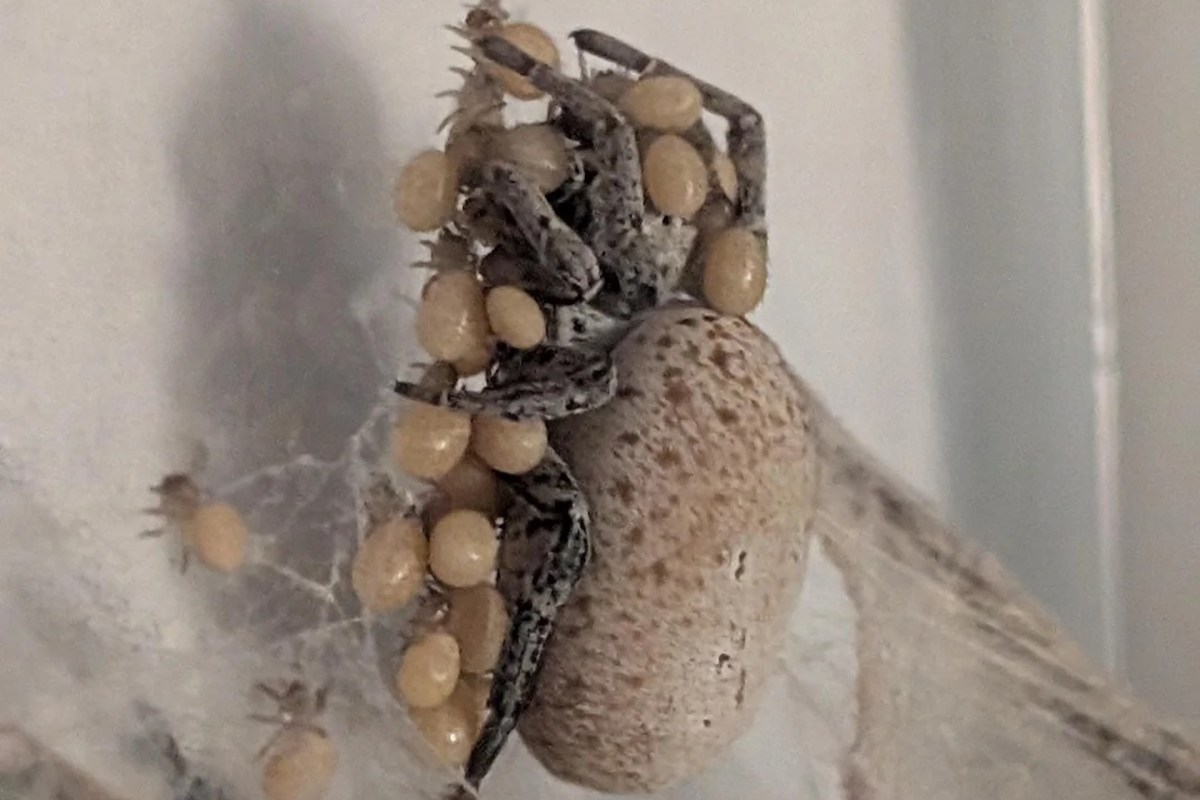
A first-time spider owner got far more than they bargained for after a recent purchase turned into a full-on nursery. On Reddit, the keeper said they bought them "almost a month and a half ago" and only later realized there had been eggs in the enclosure.
Since they had "never had a spider before," the sudden arrival of spiderlings came as a major shock. The owner said, "They seem content with all their little children," but also pointed out the obvious problem: "They can't all live in there forever."
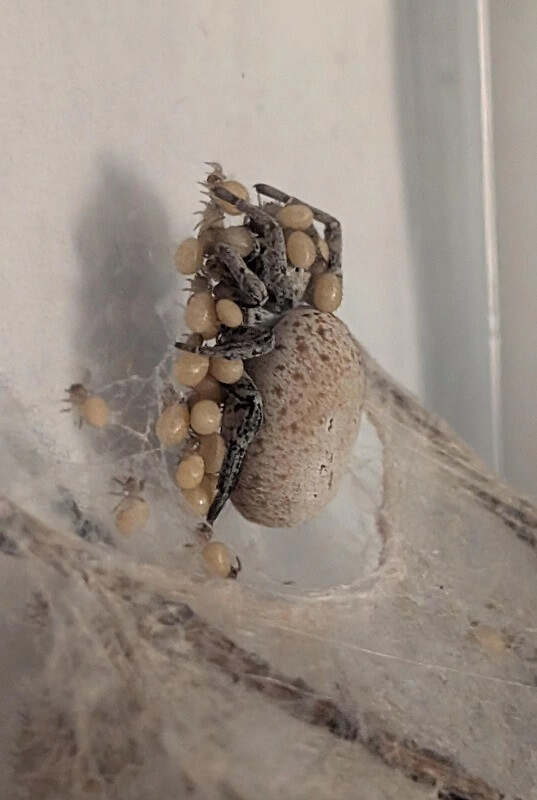
The situation is unusual, but it's not impossible. When an animal is bought without a full history — especially by someone new to keeping that species — surprises can happen. A spider may already be carrying fertile eggs when it is sold, rehomed, or moved into a new enclosure.
That makes this more than just a wild pet story. It's also a reminder that human activity — whether it's the pet trade, casual wildlife collecting, or impulse buying — can create stressful situations for both people and animals. Once a wild or captive creature is removed from its original setting and placed in a tank, any hidden complications tend to come along with it.
The owner's immediate concerns were practical ones: how to separate the babies and whether they needed to start feeding them.
However, the top comment on the post pushed the original poster to discover an even more disturbing fact about their new pet spider.
Save $10,000 on solar panels without even sharing your phone number Want to go solar but not sure who to trust? EnergySage has your back with free and transparent quotes from fully vetted providers that can help you save as much as $10k on installation. To get started, just answer a few questions about your home — no phone number required. Within a day or two, EnergySage will email you the best local options for your needs, and their expert advisers can help you compare quotes and pick a winner. |

"You should almost certainly start by researching velvet spider moms lifespan after giving birth," the person commented. To which the OP replied, "Oh man now I'm sad."
As it turns out, according to the Wikipedia post the commenter shared, velvet spider moms liquefy their internal organs and regurgitate the material as food. Once that process has ended, the baby spiders consume their mom.
It's a tragic end for the OP's pet, but as they commented, "It's the circle of life, right?" Another Redditor responded, "Let Nature do what Nature has done for untold eons. She knows what to do for her children. You can raise the babies in her honor."
For a beginner, a surprise brood can quickly turn into an animal care problem. More spiders means more containers, more food, more monitoring, and more chances for overcrowding or escapes if the keeper is unprepared.
TCD Picks » Quince Spotlight
💡These best-sellers from Quince deliver affordable, sustainable luxury for all




It also matters for the animals themselves. Spiderlings often need very specific care depending on the species, and conditions that work for one adult spider may not be suitable for a large group of hatchlings. Keeping them all together for too long can create stress and competition.
Wildlife and exotic pet encounters are often shaped by decisions people make — buying animals without enough research, breeding them unintentionally, or moving species far from where they naturally live. That can turn a fascinating hobby into a difficult responsibility overnight.
If someone ends up in a similar situation, the first step is species identification. Care advice for spiderlings varies widely, so owners should avoid guessing. Reaching out to the seller, a qualified exotic vet, a local arachnid group, or an experienced keeper can help narrow down feeding, housing, and humidity needs.
It's also important not to rush into releasing the babies outdoors. If the species is nonnative or captive-kept, release could harm local ecosystems or doom the animals if they aren't suited to the environment.
Instead, owners can prepare temporary individual or group containers based on recommendations for the species, keep handling to a minimum, and seek responsible rehoming options if they can't care for the brood long-term. Many hobby communities can help place spiderlings with experienced keepers.
For anyone considering an unconventional pet, this is also a useful lesson: Ask detailed questions before buying, including whether the animal could be gravid or carrying eggs, and have a backup plan before bringing it home.
For this Redditor, they have a new, larger task in front of them — but they appear ready for the job: "If I kill all these babies I'm gonna feel so bad now. Gotta lock in."

Get TCD's free newsletters for easy tips, smart advice, and a chance to earn $5,000 toward home upgrades. To see more stories like this one, change your Google preferences here.
Cool Picks