


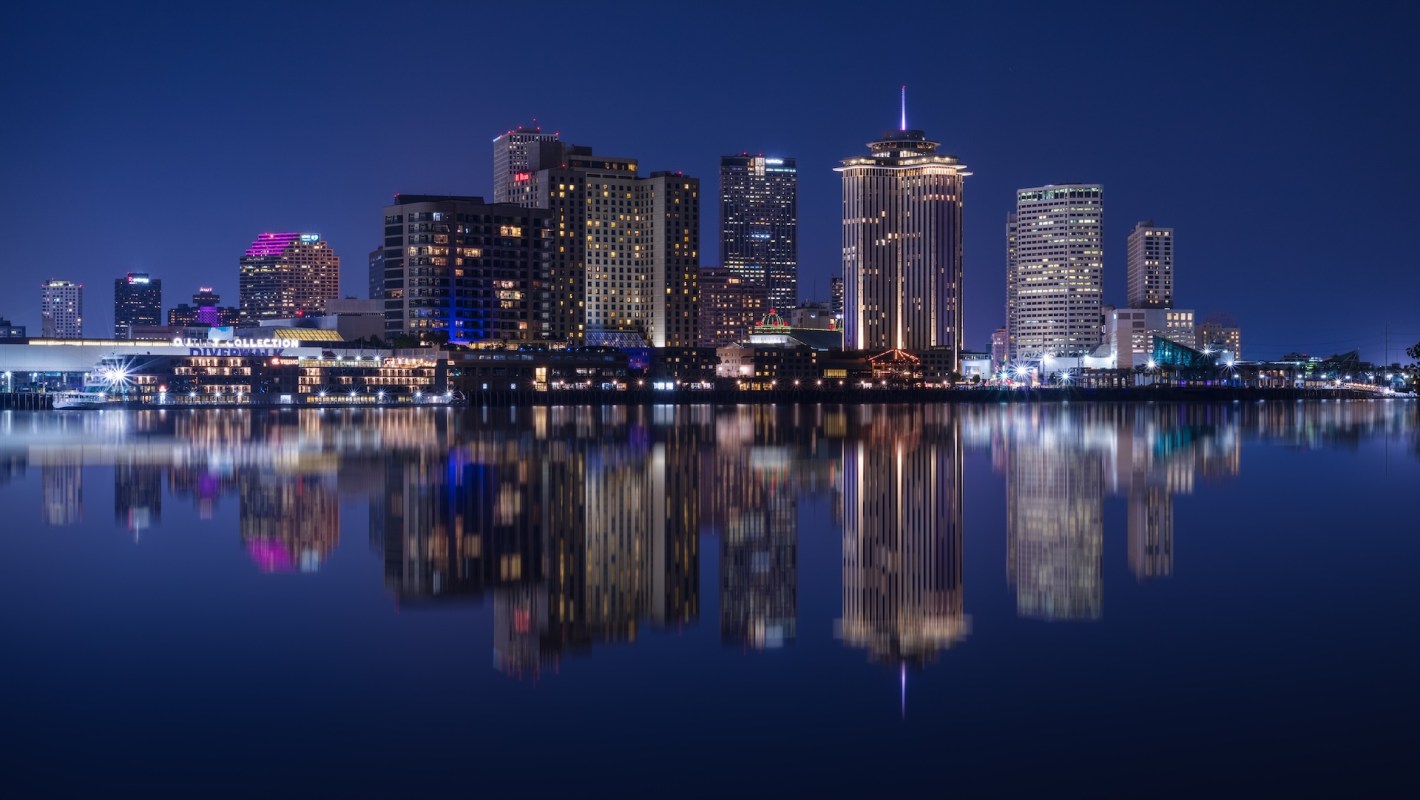
A survey of the lowest-lying regions in the United States indicates that one major city stands alone as the most at-risk: New Orleans.
What's happening?
The Shreveport Times described how the Big Easy's unique geography is heightening its vulnerability to flooding.
More than half the city is under sea level, with areas as much as 8 feet below, per Geography Realm. Adding to the concerns is the continual sinking of much of New Orleans due to human activities, natural soil compaction, and the impacts of storms.
A 2025 study by Tulane University revealed that some neighborhoods are descending at rates of up to 2 inches annually, per Phys.org. That will become even more worrisome if rebuilt levees and flood protection walls sink alongside those neighborhoods.
Why are New Orleans' sinking areas concerning?
As Grist reported, the city's vulnerable foundation faces the risk of significant flooding as its $14.4 billion levee system is put to the test.
There is certainly reason to be optimistic that the investment will pay off despite the city's challenging position. The Army Corps of Engineers built the 26-foot Lake Borgne Surge Barrier to provide substantially more protection to the east side of the city.
TCD Picks » Quince Spotlight
💡These best-sellers from Quince deliver affordable, sustainable luxury for all




Rebuilt flood walls, renewed protections for marshlands, and huge pump stations to rid the city of water are major improvements on the pre-Hurricane Katrina landscape.
Still, the study and Grist's reporting indicate that there will need to be continued work on these flood protection mechanisms to avoid the effects of inevitable sea level rise.
Rising global temperatures contribute to this phenomenon and will put further pressure on the city. Specific to New Orleans, the researchers identified that commercial development, groundwater pumping, and drainage of wetlands to fuel urban growth contribute to the city's sinking.
What's being done about threats to New Orleans?
Grist noted that maintaining funding for ongoing projects and maintenance could be critical to ensure the levee system holds up in coming years.
|
Which of these savings plans for rooftop solar panels would be most appealing for you?
Click your choice to see results and earn rewards to spend on home upgrades. |
 Save $1,000 this year 💸
 There is valid concern and early evidence that under the Trump administration and state authorities, funding will dry up for these programs and others that restore or create new marshlands that could help stifle hurricanes.
Multiple resilience projects and levee inspections no longer have adequate support. That's sparking fears that it's a matter of when, not if for New Orleans to face devastating flooding once again.
"The system that we have is a good system," citizen activist and Levees.org founder Sandy Rosenthal told Grist. "But for the first time since the levees were completed, I'm actually concerned."

Get TCD's free newsletters for easy tips, smart advice, and a chance to earn $5,000 toward home upgrades. To see more stories like this one, change your Google preferences here.







