


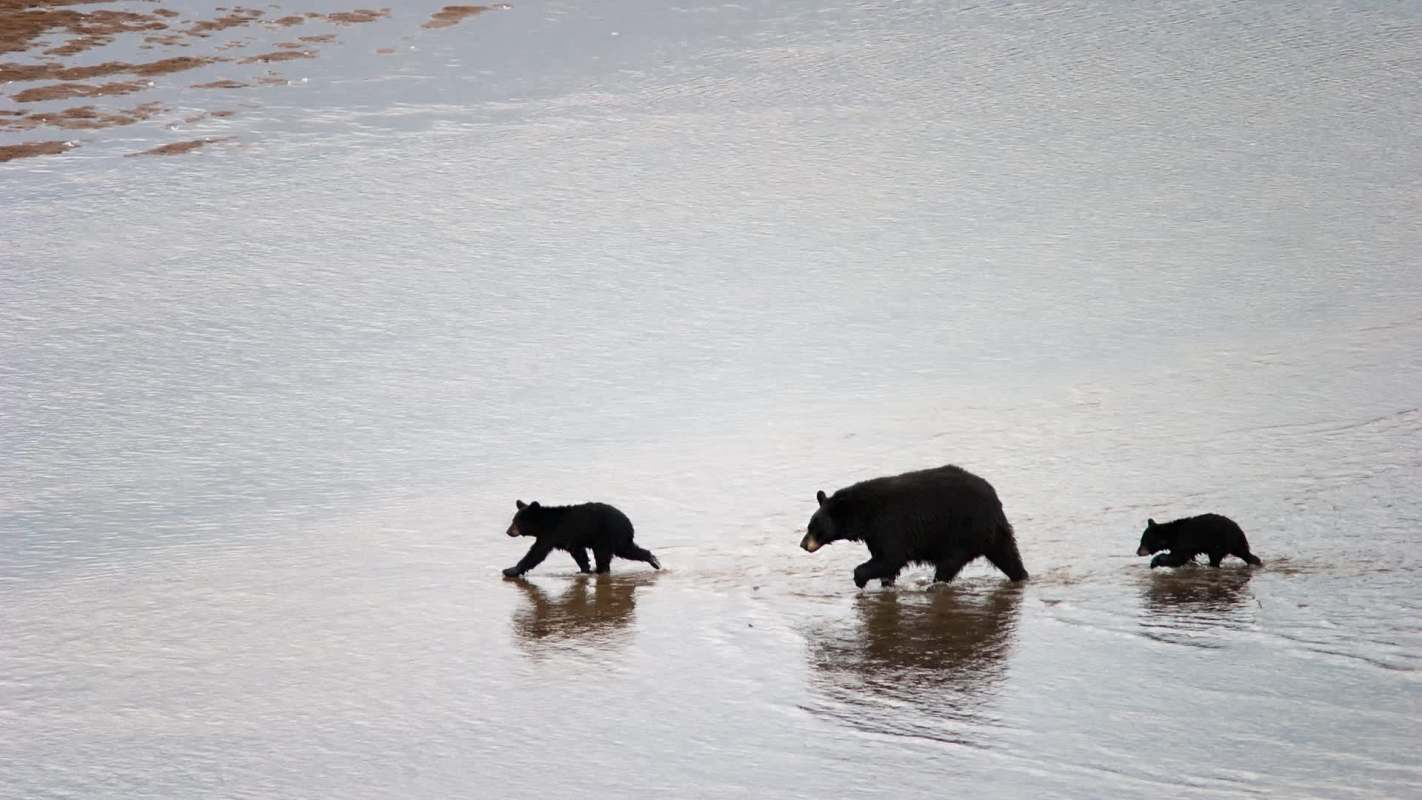
After months of watching a black bear and her two cubs near her home, a New Mexico resident says she was outraged when the mother bear was shot and injured in a neighbor's Sandia Heights backyard.
The incident is drawing renewed attention to how drought, development, and common household attractants can bring wildlife closer to people, KOAT reported.
What happened?
Patricia "Pat" Hagar said her Ring cameras had been documenting the bear family for months.
Hagar said she has lived in Sandia Heights for about a decade, and by her account, seeing the bears had become part of life in the neighborhood.
"Most prevalently, they would come at least once a week, sometimes twice. The last time they came was August 2," she said.
Later on Aug. 2, after Hagar recorded the bears that same day, the mama bear entered a neighbor's backyard and was shot there, leaving her injured.
TCD Picks » Quince Spotlight
💡These best-sellers from Quince deliver affordable, sustainable luxury for all




"I'm very, very disappointed," Hagar said. "I'm angry. I'm extremely angry that it happened."
State officials have also been dealing with more bears turning up in residential parts of New Mexico. In another example cited by KOAT, state police said four bears were killed by vehicles on I-25 south of Santa Fe.
Game and Fish spokesperson Darren Vaughan said the rise in sightings is tied in part to drier conditions.
"We are seeing an increase of bear sightings within populated areas across the state this year, due in part to an abnormally dry spring and summer that has reduced the food and water supply at higher elevations," Vaughan wrote in a statement.
Why does it matter?
The incident reflects a broader challenge across the American West.
When food and water become harder to find in natural habitats, animals often move into neighborhoods, where trash, pet food, irrigation, and standing water can be easier to access.
Human expansion into bear habitat can make those encounters even more likely.
Bears that enter developed areas face a greater risk of being struck by vehicles, injured, relocated, or killed after encounters with people.
Residents, meanwhile, can face property damage, fear, and difficult choices when wild animals show up close to home.
Research and reporting on human-wildlife conflict, including from the BBC, has shown that these incidents are often shaped not only by animal behavior but also by human land use, food storage practices, and environmental stressors.
Hagar's comments captured that tension.
"They need to live, and they just want to live just like anybody who wants food and water," she lamented.
What's being done?
Vaughan said the injured bear was moved to a habitat away from populated areas, while an investigation into the shooting remains ongoing.
Officials are also urging residents to make neighborhoods less attractive to wildlife. The city advised residents to keep garbage secured in closed cans and pet food indoors, two simple steps that can reduce the chances of future encounters.
Hagar said she had already taken those precautions at her home.
"I do not feed my bears. I don't have my trash outside. There's no birdseed. There's nothing like that," she said. "Just the water. I think that's the humane thing to do, to provide water to life."
"This is leading them into populated areas where food and water are more available," Vaughan added.

Get TCD's free newsletters for easy tips, smart advice, and a chance to earn $5,000 toward home upgrades. To see more stories like this one, change your Google preferences here.







