


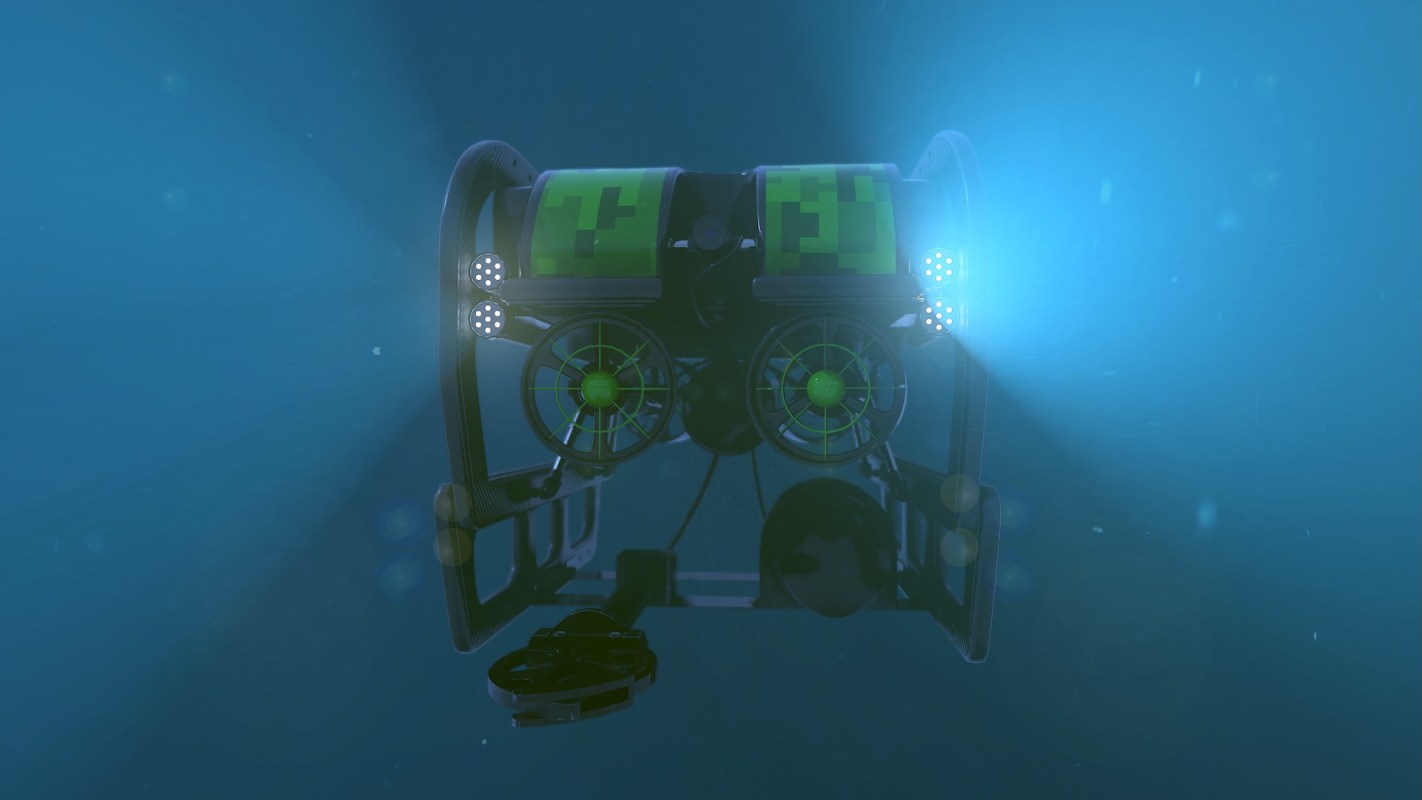
The deep ocean just got a little less mysterious.
Researchers with the Ocean Census documented 1,121 marine species not previously known to science after 13 expeditions and nine discovery workshops, Forbes reported.
This marks a major breakthrough in one of Earth's least understood environments.
The discoveries came from rarely explored deep-sea regions far beyond the reach of sunlight, including waters near Australia and Japan.
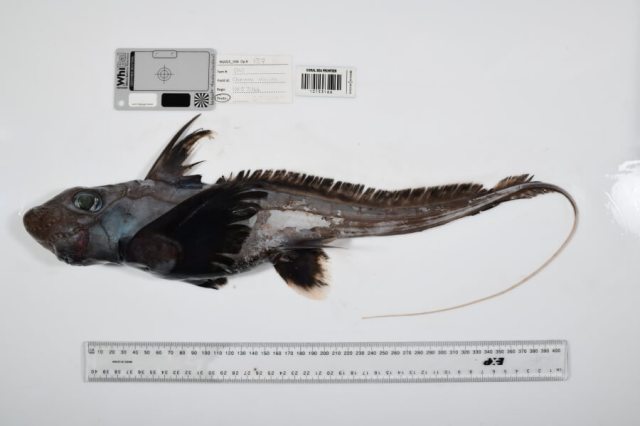
Among the most striking finds were deep-sea ghost sharks, also known as chimaeras, relatives of sharks and rays whose ancestry extends roughly 400 million years into the past.
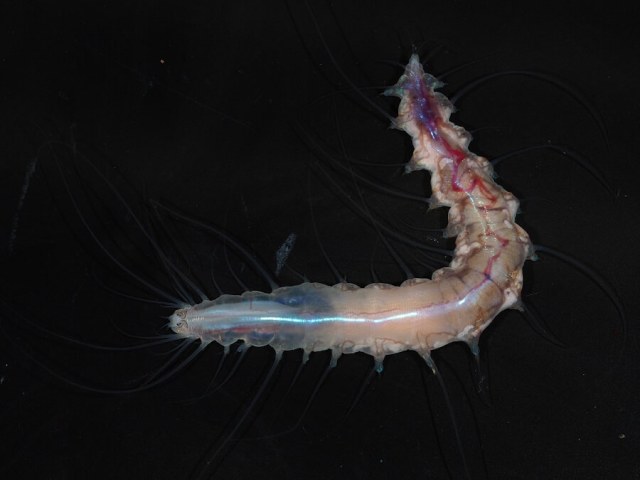
Researchers also documented bristle worms that live symbiotically within mineral formations on volcanic seamounts in Japan along with new corals, crabs, shrimps, sea urchins, anemones, and a catshark from the Coral Sea Marine Park.
TCD Picks » Quince Spotlight
💡These best-sellers from Quince deliver affordable, sustainable luxury for all




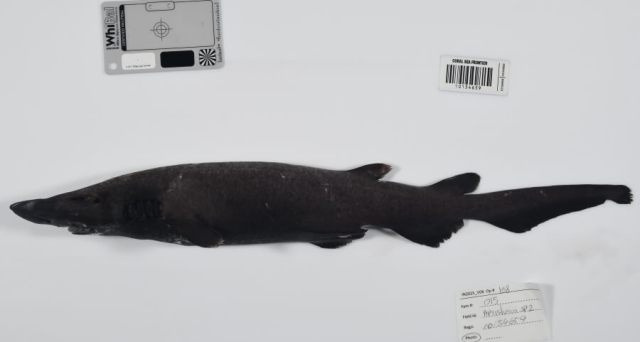
The catshark, recorded at 748 to 982 meters during a 2025 expedition done with the Commonwealth Scientific and Industrial Research Organisation and backed by Parks Australia and Bushblitz, is part of the genus Apristurus. Scientists said it stands out for a long snout and sensory features adapted for hunting far below the surface.
These discoveries are a reminder that the ocean is full of life humans have not even seen yet. Scientists estimate that perhaps as many as 90% of marine species remain undocumented.
Pressure on ocean ecosystems is rising from warming waters, acidification, overfishing, and deep-sea mining.
With these newly identified species, scientists and policymakers have more information to ward off irreversible damage.
If governments and companies move to extract mineral-rich nodules or disturb hydrothermal vent systems before researchers know what lives there, they could alter ecosystems that science is only beginning to map. Species identification helps close that knowledge gap and gives conservation efforts a better chance to keep up.
That is a huge part of what makes the Ocean Census stand out. Formally identifying a species often takes over a decade, with roughly 13.5 years typically separating discovery from publication.
During that period, species can remain effectively invisible in policy and conservation decisions.
The Ocean Census is changing that by sharing data through an open-access platform within days or weeks, rather than years. The effort includes more than 1,400 taxonomists and researchers in 85 countries, turning what used to be a slow, isolated process into a connected global mission.

Get TCD's free newsletters for easy tips, smart advice, and a chance to earn $5,000 toward home upgrades. To see more stories like this one, change your Google preferences here.







