


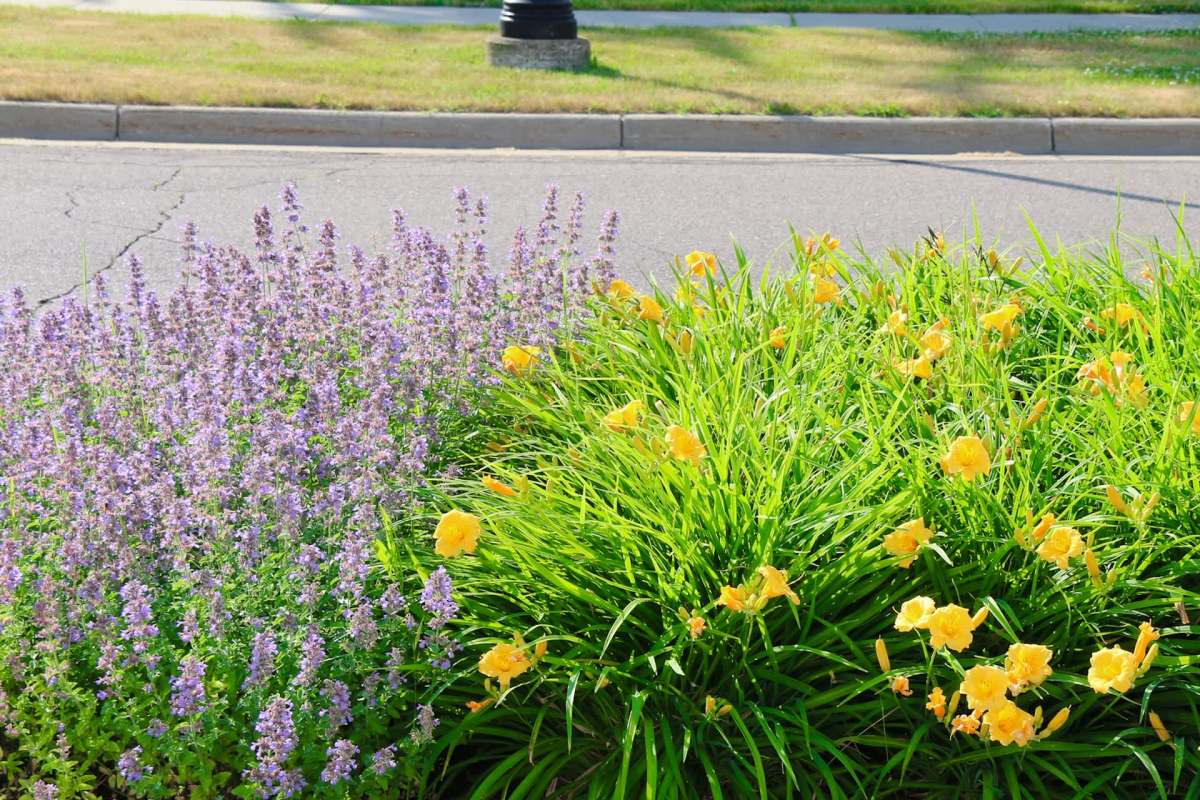
In Fair Lawn, New Jersey, officials are setting new ground rules in order to promote biodiversity and combat destructive invasive species. Under the new ordinance, the majority of borough-owned properties will be required to plant native plant species.
The idea is to use those routine planting decisions to limit invasive species and support local habitat.
What happened?
According to NorthJersey.com, the ordinance establishes 70% native planting expectations for much of the public property.
It covers most borough-owned land and is meant to move municipal landscaping away from species that spread aggressively or offer little value to local wildlife.
Native plants are species that evolved in a region over long periods of time, which generally makes them better suited to local soils, weather, and ecosystems. Invasive plants, by contrast, are usually brought to regions from different ecosystems and, in turn, can outcompete native vegetation, reducing food and shelter for birds, bees, butterflies, and other animals.
In effect, the rule gives public properties guidelines on which species to plant that could benefit local ecosystems and promote biodiversity.
TCD Picks » Quince Spotlight
💡These best-sellers from Quince deliver affordable, sustainable luxury for all




Why does it matter?
What grows along roads, around public buildings, and in municipal green spaces can have an outsized effect on the surrounding ecosystem. Native plants often require less intervention once established, and they can help create healthier habitat for pollinators and other species that depend on them.
Better-adapted plants can help absorb stormwater, provide shade and cooling, and reduce the spread of invasive species into nearby yards, parks, and natural areas. In a heavily developed region, those smaller gains can add up.
What's being done?
By putting the native-plant requirement into local law, Fair Lawn has given its officials a standing framework for landscaping decisions on public property. That could shape everything from routine replanting to larger beautification or redevelopment projects.
The requirement creates accountability while still leaving room for planners and landscapers to decide which native species work best in each location.
That means everyday choices about replanting and maintenance can gradually be used to limit invasive species and build stronger biodiversity.
In the borough's words, as quoted by NorthJersey.com, the ordinance is intended to "help mitigate the effects of habitat loss and fragmentation from development and to combat the climate crisis, stormwater overflow, species extinction, and global warming to promote the public health, safety, and welfare."

Get TCD's free newsletters for easy tips, smart advice, and a chance to earn $5,000 toward home upgrades. To see more stories like this one, change your Google preferences here.







