


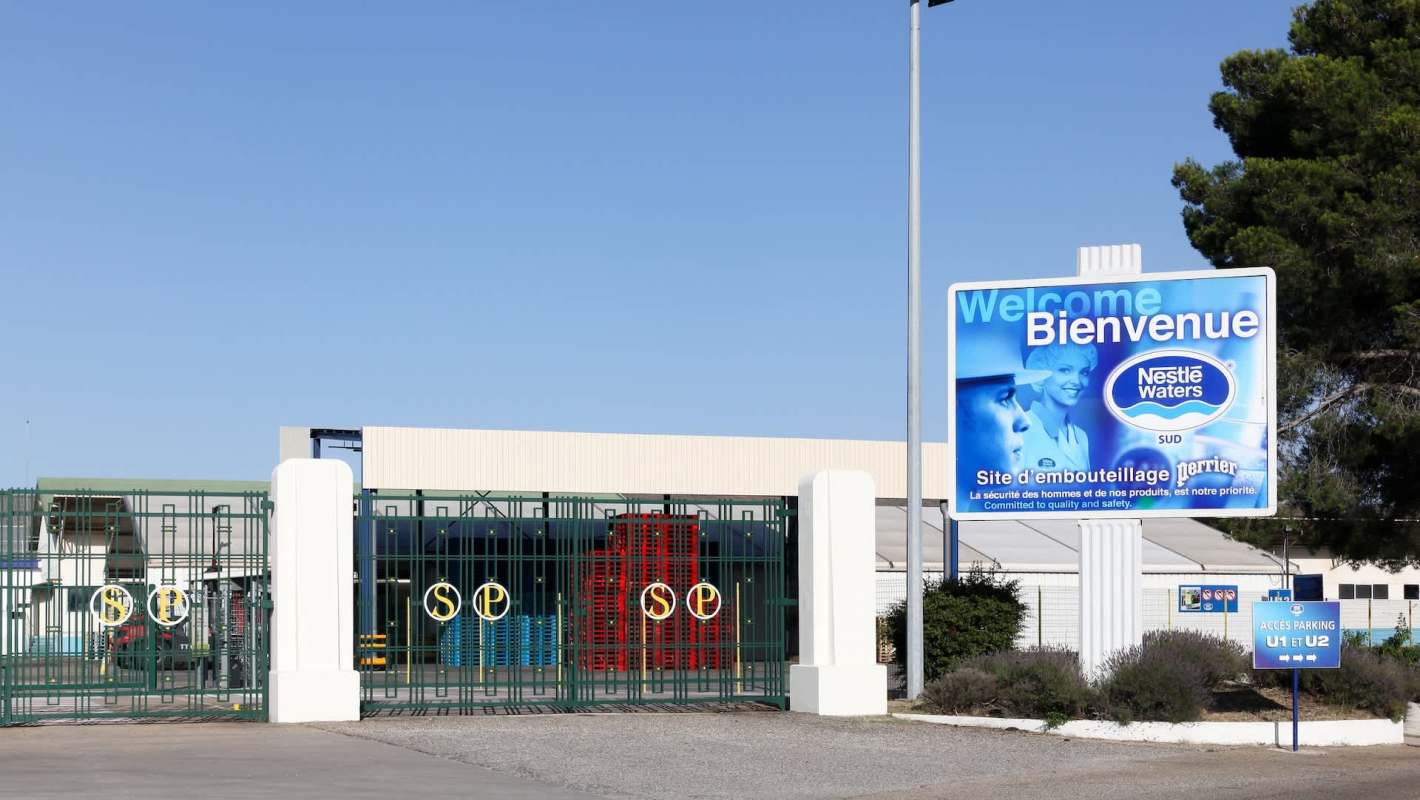
French anti-fraud officers have raided Perrier bottling and testing sites in France, ratcheting up scrutiny of Nestlé Waters over whether one of its most recognizable brands was sold under claims that may have misled shoppers.
For consumers, the issue boils down to a pretty simple but important question: Was water marketed as "natural mineral water" treated in ways that should have disqualified it from carrying that label?
What's happening here?
According to Food Navigator Europe, Nestlé said Tuesday that French authorities searched two of its water-producing facilities in Vergeze, where Perrier is bottled, as well as a laboratory in the Vosges mountains in eastern France.
"We continue to cooperate fully with the authorities involved," a spokesperson for Nestlé said.
According to the company and Food Navigator, France's anti-fraud department took part in the operation, which is tied to a consumer-deception investigation that followed a FoodWatch complaint to the Paris prosecutor.
As noted by Food Navigator, the latest action comes after earlier raids on Nestlé's Paris headquarters in July 2025, signaling that the case has continued to widen rather than fade.
TCD Picks » Quince Spotlight
💡These best-sellers from Quince deliver affordable, sustainable luxury for all




At the center of the controversy are reports (dating back to 2024) that Perrier used water treatments intended to prevent contamination. If true, that would raise serious questions about whether the product could still legally be sold as "natural mineral water" — a label that carries both regulatory weight and major marketing power.
Why does this matter?
For regular consumers, this is about more than a corporate legal dispute. Product labels shape what we buy, how much we're willing to pay, and what we believe we're actually getting.
When a company markets a product as natural, consumers may reasonably assume it meets stricter standards than ordinary bottled water. If those claims were inaccurate, shoppers may have spent money based on a false impression.
The case also shows how trust can break down when branding appears to take precedence over transparency. Consumers who are trying to make informed choices — whether around their health, quality measures, or environmental reasons — depend on accurate labeling.
What's being done?
French authorities are actively investigating the matter, and the raids suggest regulators are treating the allegations seriously. Anti-fraud enforcement can help determine whether consumer-protection laws were violated and whether products were improperly marketed.
FoodWatch's complaint also highlights the role watchdog groups can play in pushing for accountability when customers may not have all the information themselves.
For consumers, it's a reminder to look closely at how brands describe their products. If a company's environmental or purity claims seem designed to inspire trust without offering clear evidence, it may be worth taking a closer look.

Get TCD's free newsletters for easy tips, smart advice, and a chance to earn $5,000 toward home upgrades. To see more stories like this one, change your Google preferences here.







