


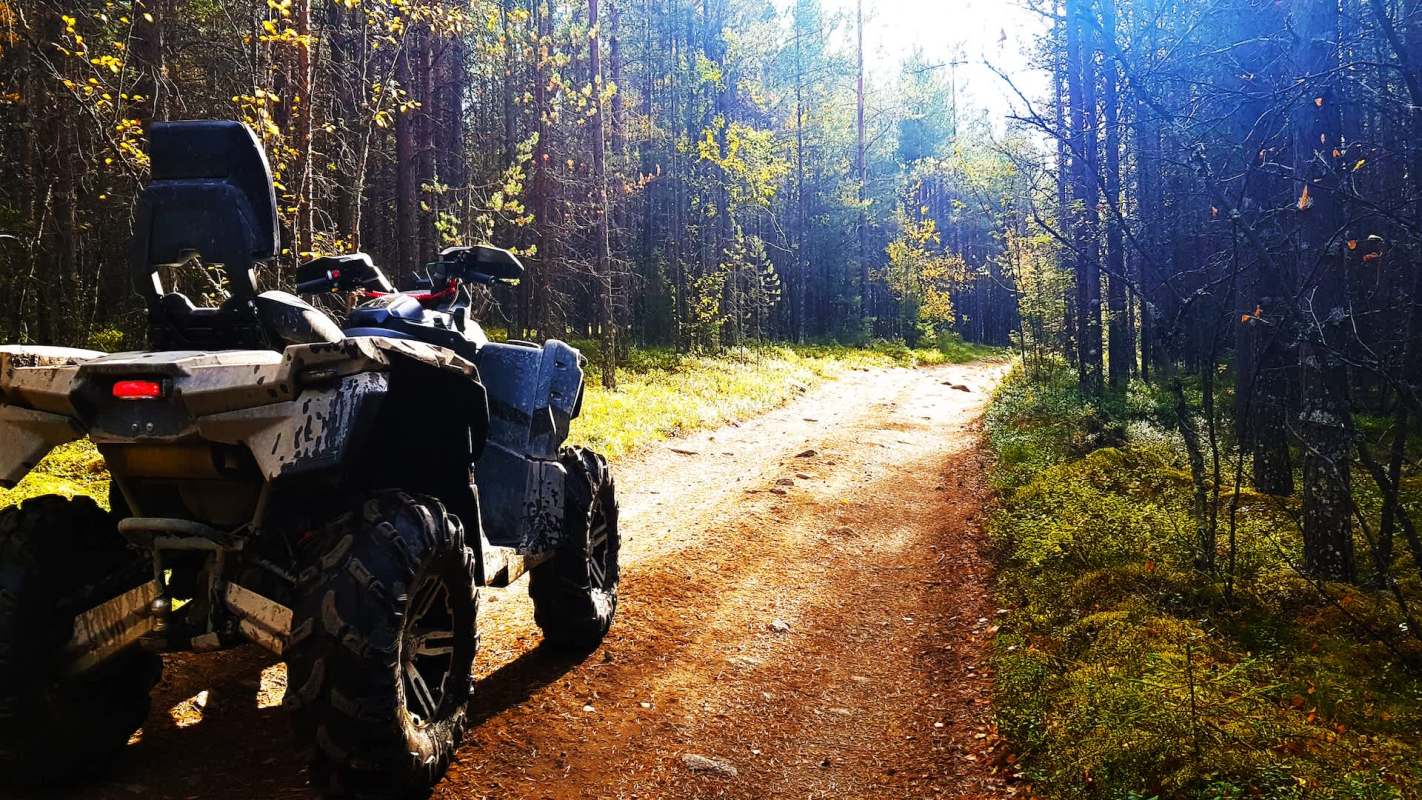
Under a proposed federal policy change, trails in national forests could be presumed open to ATVs, dirt bikes, and 4x4s rather than requiring explicit approval for motorized use, a shift critics fear could endanger fragile ecosystems and shared outdoor spaces.
Backers claim the change would expand public access, but opponents contend it could sow confusion and leave lasting environmental damage, Grist reported.
Here's what to know
The Forest Service signaled that it wants to overhaul its travel management rule.
If adopted, the revision would reverse the agency's longstanding "closed unless designated open" approach with one that treats trails as open unless they are specifically marked closed.
According to the Department of Agriculture, which oversees the Forest Service, the proposal would broaden recreation access and "simplify regulatory requirements."
Most national forests rely on detailed travel management plans that specify which roads and trails can be used for hiking, horseback riding, mountain biking, or motorized recreation.
TCD Picks » Quince Spotlight
💡These best-sellers from Quince deliver affordable, sustainable luxury for all




The Forest Service took public comments on the revision through Sept. 23.
Sportsmen, conservation groups, and advocates for nonmotorized recreation pushed back, saying wider access for off-highway vehicles could harm wildlife habitat, worsen erosion, and reduce forests' capacity to store planet-warming carbon.
More background
Opponents argue that broader motorized access would affect both the land itself and the people who use it.
Chris Edgington, watershed project manager with Montana Trout Unlimited, pointed to the Middle Fork of the Judith River in central Montana, where vehicle crossings once became so frequent along a 6-mile stretch that sediment runoff buried habitat for fish and aquatic insects.
Edgington said the area had more than 80 entrances and 27 shallow crossings before 2023, and that the ecological damage became acute.
"The fish population was estimated to be less than 10 percent of what we'd expect of a river that size and character," he began. "The river had become over-widened and shallow, creating unusual riffles, and the river couldn't manage its sediment load."
Critics argue a policy that defaults to open trails could intensify similar conflicts for anglers, hikers, horseback riders, and other forest users.
What's being done?
Those fighting the proposed change maintain that existing travel plans already provide a workable balance.
Hillary Eisen, federal policy director for Wild Montana, asserted that the current designations offer clarity for recreationists as well as ranchers and timber interests.
Without those route-by-route rules, she explained, unintended consequences could proliferate.
"Any sort of feature that you could interpret to be a trail or a road would be open to every type of use, unless closed. That could mean if you can get your side-by-side on there, have at it."
On the Judith River, Edgington said he helped connect off-highway vehicle users, environmental groups, and government agencies to address the damage.
Their coalition rebuilt 1,000 feet of riverbank, reduced crossings by 80%, and created a new trail segment so recreation could continue with less damage.
People backing the revision, including Kerry White of Citizens for Balanced Use, say opening more routes would make public lands easier for elderly visitors and people with disabilities to reach.
Critics contend that access and stewardship can coexist, and that clearly designated routes are still among the most practical tools for preventing disputes and protecting vulnerable places.
"Cold, clean water is a finite resource, and we need to do whatever we can to protect it," Edgington observed.
Where can I learn more?
These stories look at how access decisions and other pressures are playing out on the ground, from trail conflicts to conservation fights. They cover invasive species cleanup, trail user conflicts, and litter on major routes.
• In North Carolina, volunteers made a huge impact clearing invasive plants in Pisgah National Forest.
• In California's Nisene Marks State Park, an odd new sight left hikers questioning trail etiquette.
• Along the Pacific Crest Trail, an unsettling trend saw discarded waste across remote stretches.

Get TCD's free newsletters for easy tips, smart advice, and a chance to earn $5,000 toward home upgrades. To see more stories like this one, change your Google preferences here.







