


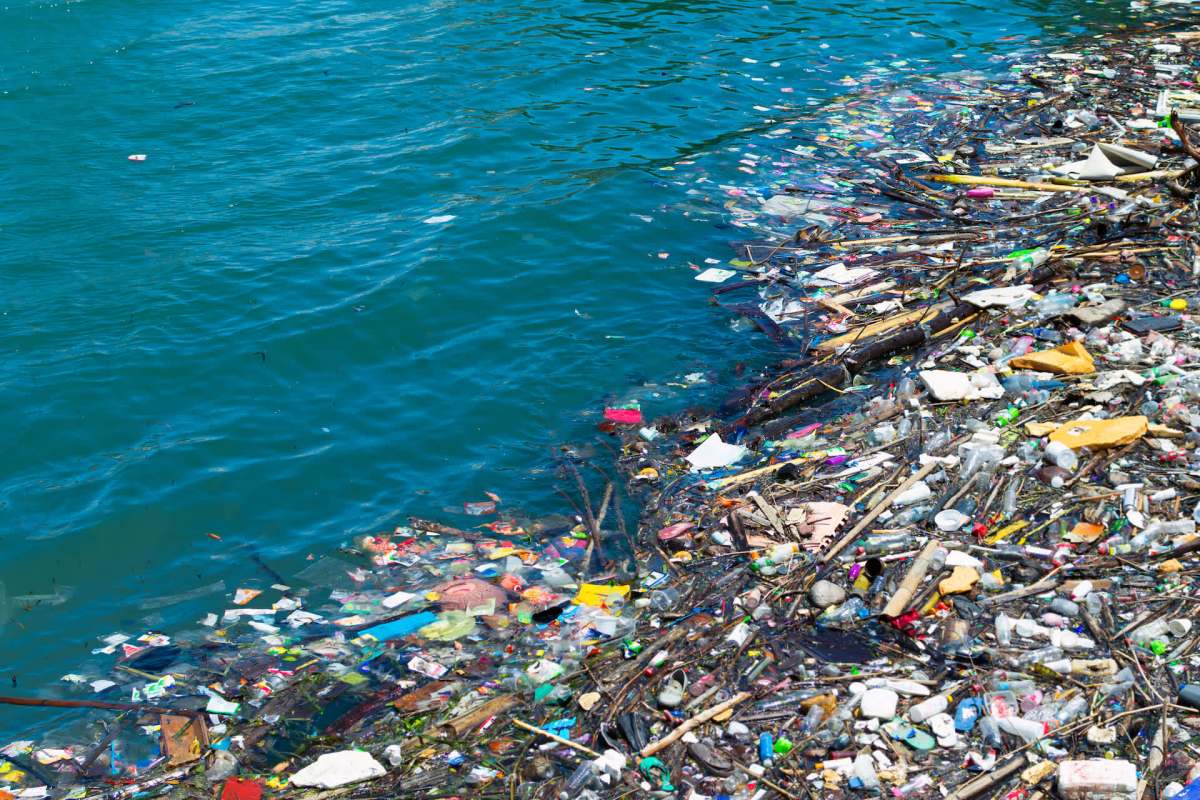
Plastic pollution could be a much bigger issue than thought. Scientists from the Netherlands have discovered that recent estimates of plastics in oceans are 10 times higher than prior calculations.
What's happening?
Grist reported that a new study published in Nature found that the North Atlantic Ocean holds nearly 30 million tons of nanoplastic, or particles 100 times smaller than the width of human hair. This reveals just how pervasive plastic has become in the environment.
Helge Niemann, a professor of geochemistry at Utrecht University and an author of the study, sounded the alarm about the impacts on human and marine health. Nanoplastics are "not conducive, generally, for life," he told Grist.
He added that while the study centered around nanoplastics in the Atlantic, it's probable that the material is widespread in other oceans as well. The research is some of the first of its kind to measure nanoplastics in marine environments.
Why are nanoplastics in the oceans concerning?
The impacts of microplastics on human health have been well-documented, but much less is known about the effects of nanoplastics. One study found that nanoplastics can cause inflammation in various cells, potentially disrupting immune system health.
It's also an obvious concern for marine animals and ecosystems that are directly exposed to plastics on a consistent basis. Research has shown that wildlife suffers from many of the same problems as humans when it comes to plastics. Reduced fertility, altered hormone levels, intestinal blockages, and cancer have all been linked to plastics in the environment.
And since nanoplastics are so much smaller than even microplastics, which are one of the most ubiquitous materials in the world, the effects could be even more insidious.
"We've basically been dumping plastic in the ocean for decades," Tracey Woodruff, a professor of reproductive health and the environment at the University of California, told Grist. "It doesn't go away, it just breaks down into smaller plastics, so it does make sense that you would find more nanoplastics than macro and microplastics."
What's being done to help?
Niemann noted that more research is necessary to determine the pervasiveness of nanoplastics worldwide along with their real-world impacts. He was awarded a grant to study whether certain types of bacteria might break down nanoplastics, which could be a viable solution to the problem.
Scientists have already discovered bacteria that can clean up plastic pollution, though it's not known if this can be done on a large scale. The study authors stressed that the most important step the world can take is to reduce plastic production so that it doesn't enter oceans and the environment in the first place.
TCD Picks » Quince Spotlight
💡These best-sellers from Quince deliver affordable, sustainable luxury for all




Individually, we can help to keep the planet plastic-free by switching to home-brewed ground coffee rather than buying takeout cups or coffee pods and purchasing reusable water bottles instead of disposable ones. If millions of people made these two lifestyle changes, it could have a profound impact on the amount of plastics entering the environment.
|
How concerned are you about the plastic waste in our oceans? Click your choice to see results and speak your mind. |
 Extremely 😫
Join our free newsletter for good news and useful tips, and don't miss this cool list of easy ways to help yourself while helping the planet.
Cool Picks






