


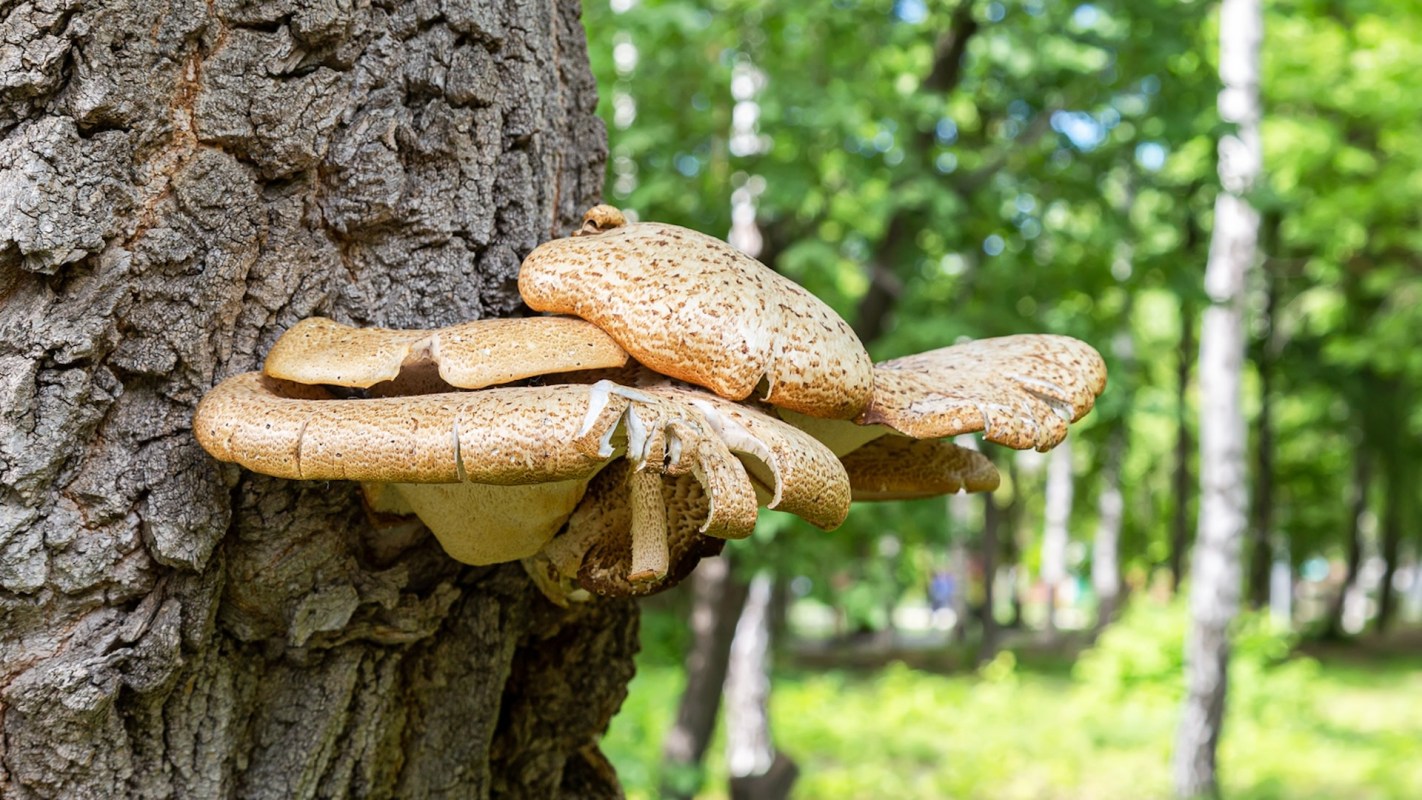
Fungi are proving effective in addressing persistent environmental challenges, such as breaking down pollutants and recycling waste.
As the BBC reported, the architecture firm Redhouse Studio developed a "mycotecture" method that uses fungal mycelium to break down toxic materials. It uses this approach to break down harmful substances from demolished buildings, ultimately converting them into sustainable, reusable materials.
Redhouse Studio is changing the way people think about toxic demolition debris, construction scrap materials, and polluted soils. It turns waste into valuable materials by enabling fungi to digest and detoxify it.
The firm's approach is beneficial over traditional demolition disposal methods, such as landfills and incineration, because it is cost-effective and environmentally friendly.
Certain types of fungi naturally break down the complex organic matter in common construction materials. The detoxified materials produced by the fungi have proven durable and, in some cases, stronger than standard bricks or concrete for building applications.
"We've only scratched the surface on the capabilities of mycelium," said Joanne Rodriguez of Myocycle, an organization that also recycles construction waste, per the BBC. "I think mycelium will be the unsung hero of climate change."
This news is encouraging because it offers a natural solution to address mounting construction waste as development demand steadily increases. Redhouse Studio's "mycotecture" method turns problematic waste into valuable resources while preventing landfill overflow and soil degradation.
The scientists involved in this work are helping advance the emerging field of mycoremediation and creating a circular bioeconomy with widespread applications. Fungi are now providing hope for cleaning polluted air, filtering oil from waterway spills, and reducing the spread of PFAS in the environment.
Fungi's natural cleanup potential may help people reduce their exposure to toxic chemicals and support minority communities disproportionately affected by environmental hazards.
Meanwhile, other researchers have been studying the pollution-cleanup benefits of mushroom cultivation and its role in waste management.
TCD Picks » Quince Spotlight
💡These best-sellers from Quince deliver affordable, sustainable luxury for all




|
Would you trust a home made of previously used concrete? Click your choice to see results and speak your mind. |
 Definitely 👍
 Redhouse Studio has already been using its fungi technology to address housing and health crises in Cleveland, Ohio.
The firm's Biocycler program targets local communities of color with higher levels of air pollution, lead, and toxic waste exposure. You can purchase samples of biocycled materials made from demolition waste on the firm's website.
"Decades of racist city planning, banking, and industrial practices have poisoned communities and blighted neighborhoods," Redhouse Studio wrote. "Biocycler is built to address these environmental injustices and is powered by Black Environmental Leaders like Concerned Citizens Organized Against Lead and My Grow Connect."

Get TCD's free newsletters for easy tips to save more, waste less, and make smarter choices — and earn up to $5,000 toward clean upgrades in TCD's exclusive Rewards Club.
Cool Picks






