


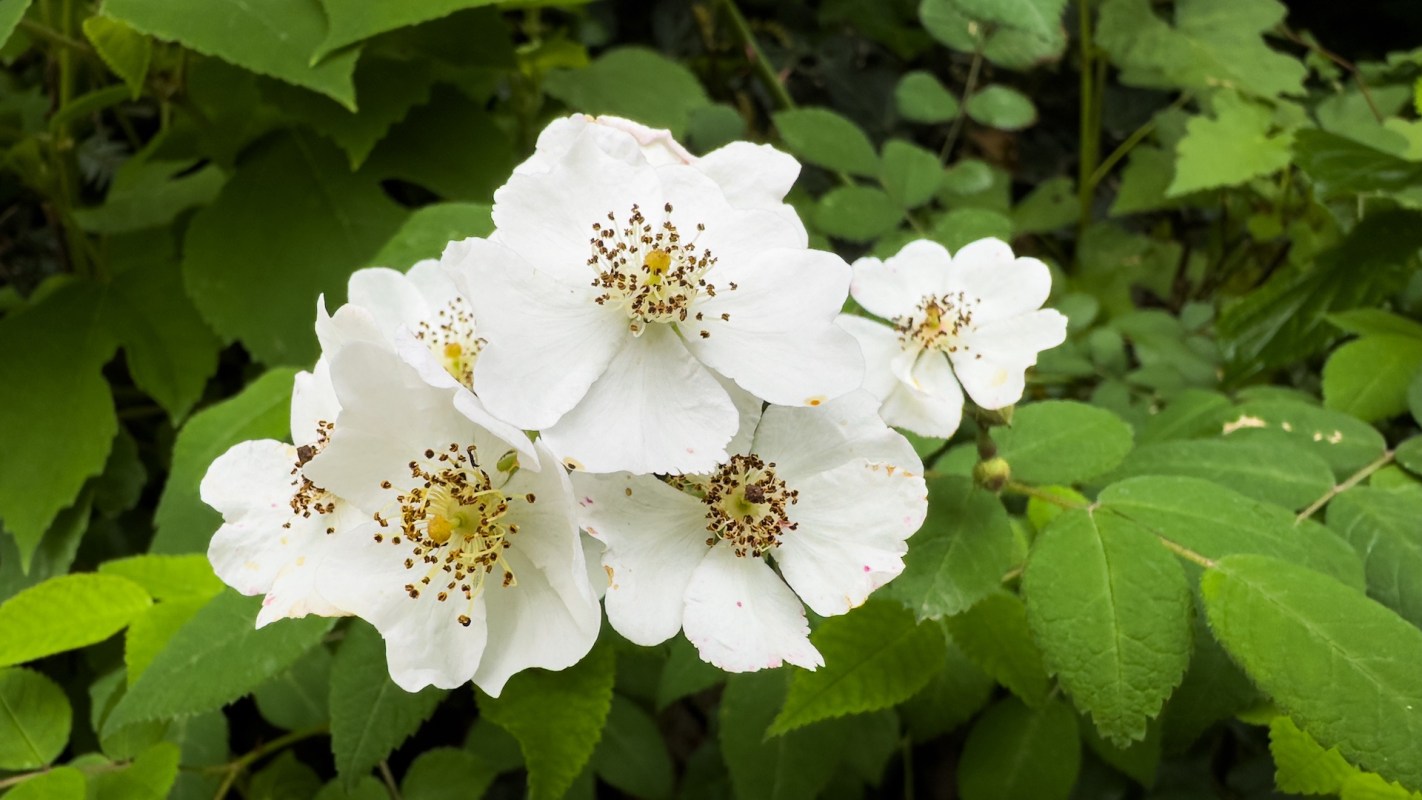
In Nova Scotia, Canada, a rose that might look like a pleasant choice for a yard is becoming a serious environmental problem.
That species is multiflora rose, and experts say its pink or white flowers disguise an aggressive plant that is spreading quickly and harming ecosystems across the province.
Here's what to know
As the CBC reported, Samantha Knight, an ecologist and lead steward with Fort Needham Memorial Park in Halifax, said that multiflora rose has become a major ecological threat. She called it "the single greatest obstacle" to Nova Scotia's forest structure of all the invasive plants her team manages.
As it spreads, the plant forms thick patches that push out nearby vegetation and gradually take over. Knight explained to the CBC that "by disrupting the physical and biological environment around it," the plant "provides opportunities for further degradation of the ecosystem."
David Steele, who leads a volunteer effort in the Wolfville and Kentville area, told the CBC the plant's thorny growth once made it useful to people. He said it was introduced from Asia as rootstock for ornamental roses and was later used by farmers as a living fence because cattle could not get through it. Steele described multiflora rose as a "vicious" plant.
Keeping it from spreading is difficult because the seeds can travel easily. Steele explained that birds eat the berries and carry the seeds elsewhere, and construction equipment can also move them when soil gets disturbed.
TCD Picks » Quince Spotlight
💡These best-sellers from Quince deliver affordable, sustainable luxury for all




More background
A big part of the concern is how adaptable multiflora rose can be. Steele said it usually favors open, sunny places, but his team has also found it growing in streams.
That toughness also makes it harder to remove. When aggressive non-native plants are allowed to spread, they reduce biodiversity and weaken the web of plant and animal life that healthy ecosystems depend on.
Knight said invasive species management matters beyond appearances. Healthy habitats can help filter water, store carbon, and maintain environmental systems that people rely on every day.
As the CBC reported, Steele said people may have unintentionally damaged local biodiversity by replacing native vegetation with ornamental plants brought in from elsewhere.
What can be done?
Volunteers are already removing the plant by hand in some areas. Steele said his group uses hand removal, chainsaws, and a root-pulling tool called an extractigator to deal with multiflora rose and other invasive species.
The CBC reported Knight is using a different method at Fort Needham Memorial Park. She is tracking where the rose is growing and planning to weaken it over time through repeated cutting rather than digging it out. Invasive plants often come back when they are not managed consistently.
"We know it's going to be a big task and it's going to take a lot of very persistent effort," Knight told the network.
For homeowners, one useful step is to rethink conventional landscaping. Replacing even part of a standard lawn with native plants can help, and other low-maintenance choices can also create a yard that more suitably fits local conditions.

Get TCD's free newsletters for easy tips, smart advice, and a chance to earn $5,000 toward home upgrades. To see more stories like this one, change your Google preferences here.







