


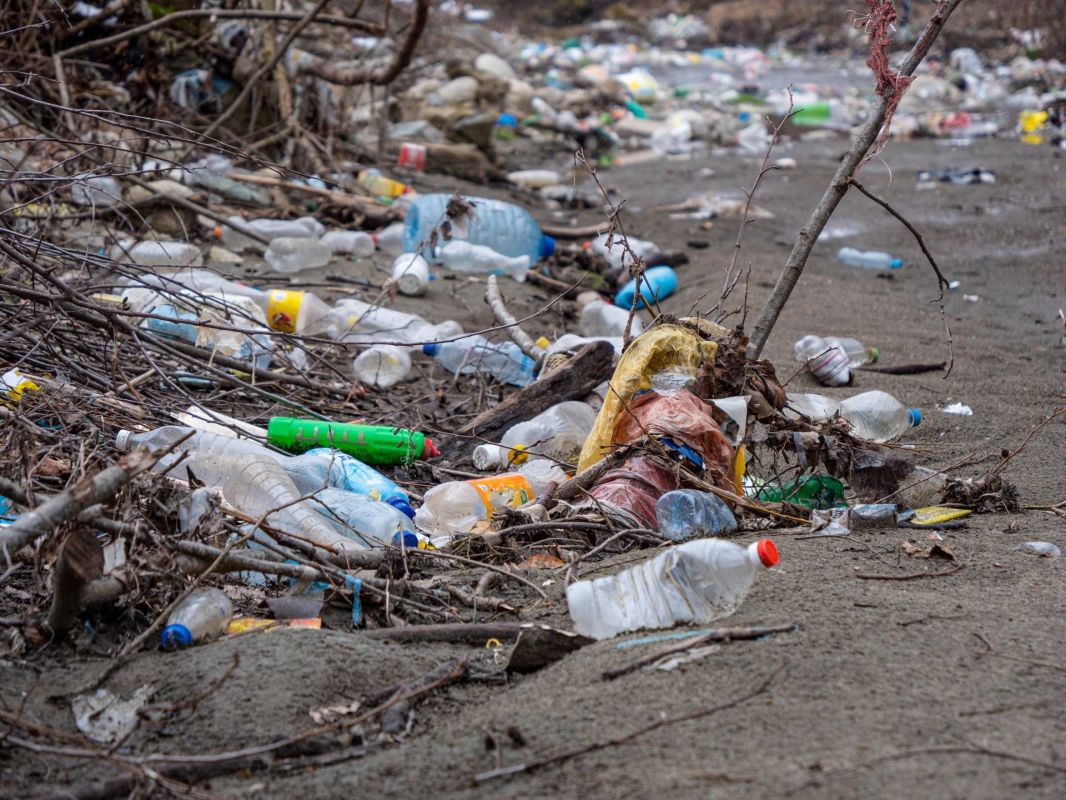
A recent study reveals that plastic pollution brings an added health problem: It is a breeding ground for disease-carrying mosquitoes.
Researchers from the Technical University of Mombasa and Stanford University recently discovered that the rainwater that collects in the small, watertight pools created by plastic litter is the perfect breeding ground for mosquitoes.
And on the Kenyan coast, where plastic litter is prevalent, that is worse than a nuisance. Mosquitoes there can carry diseases such as dengue, yellow fever, chikungunya, and Zika.
The researchers took 22,144 samples of standing water captured in plastic litter over the course of 24 months and found significant numbers of mosquito larvae.
"If we create systems to eliminate plastic litter, we will prevent a large number of unnecessary disease cases and deaths," wrote Stanford's Desiree LaBeaud, one of the study's lead researchers.
According to the study, more than 10% of febrile (i.e., feverish) illness in Kenya is caused by mosquito-borne infections but goes undiagnosed.
TCD Picks » Quince Spotlight
💡These best-sellers from Quince deliver affordable, sustainable luxury for all




The study also found that Kenya lacks adequate public disposal systems for plastic waste, causing it to accumulate and pile up around places where people live. And due to the fact that plastic does not break down or decompose, it just continues to pile up, much to the delight of the mosquitoes, which lay their larvae in standing water.
In order to combat the problem, the researchers recommend bolstering existing waste disposal systems in Kenya to get plastic litter away from people's homes, which would greatly reduce the number of mosquitoes.
"When we remove plastic litter, we not only improve local environments — we improve human health, beautify our community, support local entrepreneurs, and boost tourism. Everyone stands to gain," Francis M. Mutuku of the Technical University of Mombasa, the other lead researcher, said in a briefing.

Join our free newsletter for cool news and cool tips that make it easy to help yourself while helping the planet.







