


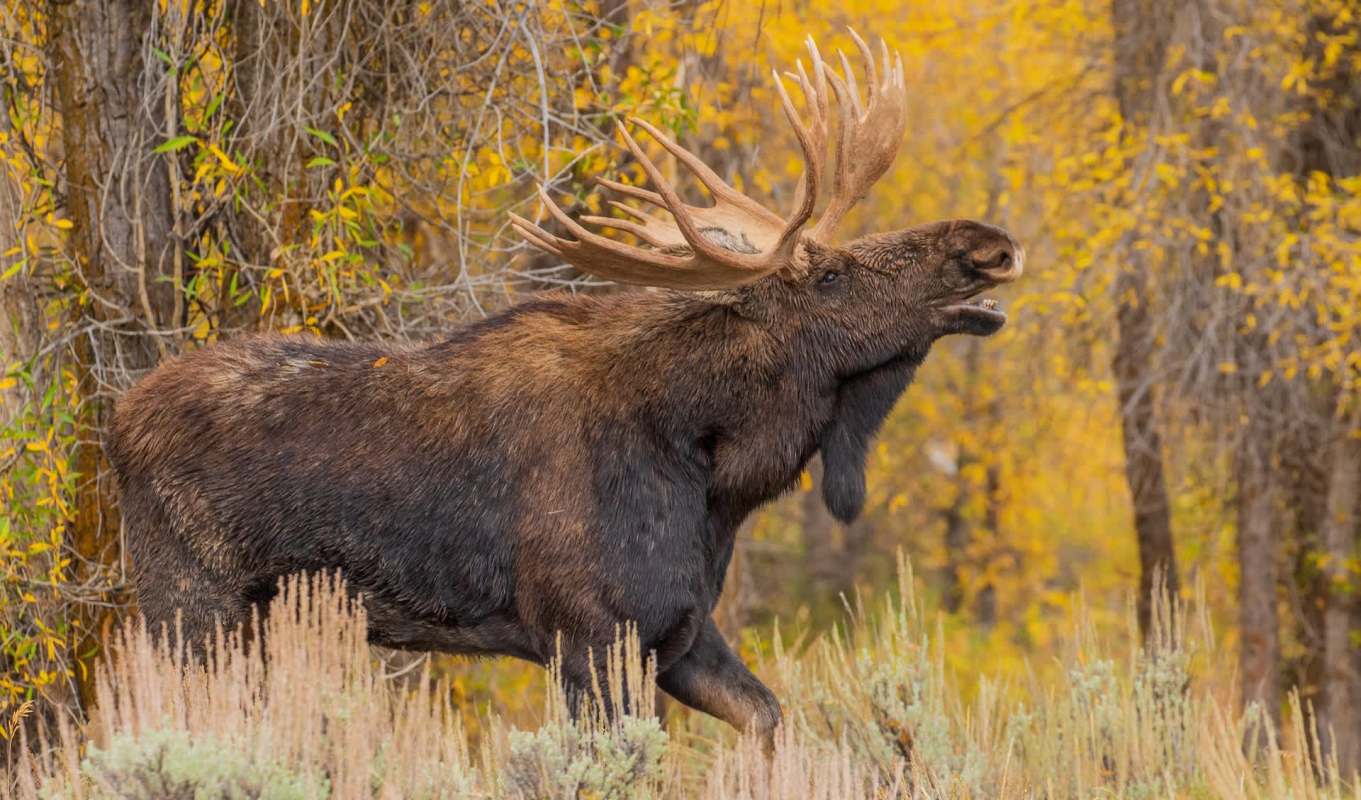
A moose attack involving a hiker and their dogs in Teller County has prompted Colorado wildlife officials to warn others using nearby trails.
What happened?
According to CBS News Colorado, citing Colorado Parks and Wildlife, the incident happened on the evening of June 22 on the Lovell Gulch Trail near Woodland Park, just northwest of Colorado Springs.
Dogs are often central to these encounters: officials say moose can interpret them as predators, much as they would wolves, and react aggressively. Although bears and mountain lions often draw more public attention, moose can also be extremely dangerous when they feel threatened.
That risk can be even higher on narrow trails, where people and wildlife may suddenly find themselves in close quarters.
In this case, CBS reported that CPW said paramedics assessed the hiker and they "did not need to be taken to the hospital."
Why does it matter?
Moose are large, fast, and capable of inflicting severe injuries with their hooves. A close encounter can become especially risky if a dog barks, lunges, or circles the animal.
TCD Picks » Quince Spotlight
💡These best-sellers from Quince deliver affordable, sustainable luxury for all




As outdoor recreation continues to grow and development pushes farther into wild areas, more people are spending time in places where moose live, feed, and travel.
That does not mean wildlife is moving into human spaces. In many cases, it means people are entering animal habitats more often, increasing the likelihood of conflict.
Dogs can make those interactions worse. Even well-trained pets can trigger defensive behavior, and if an animal charges, the owner and the dog will have to get away safely as quickly as possible.
What can I do?
If you are hiking in moose country, wildlife officials generally advise giving moose plenty of space, especially if they appear agitated, pin their ears back, raise the hair on their hump, or begin moving toward you. If you notice those signs, back away slowly and create distance between yourself and the animal.
If you bring a dog, keep it under close control. In areas known for moose activity, that may mean reconsidering whether to bring a pet at all, particularly at dawn and dusk, when wildlife can be more active.
It also helps to stay alert on wooded trails, avoid surprising animals around bends or in dense brush, and follow posted warnings or trail closures. Similar precautions apply during bear encounters and other wildlife interactions.
Public awareness, responsible trail use, and habitat protection can give animals more space away from heavily used recreation corridors.

Get TCD's free newsletters for easy tips, smart advice, and a chance to earn $5,000 toward home upgrades. To see more stories like this one, change your Google preferences here.







