


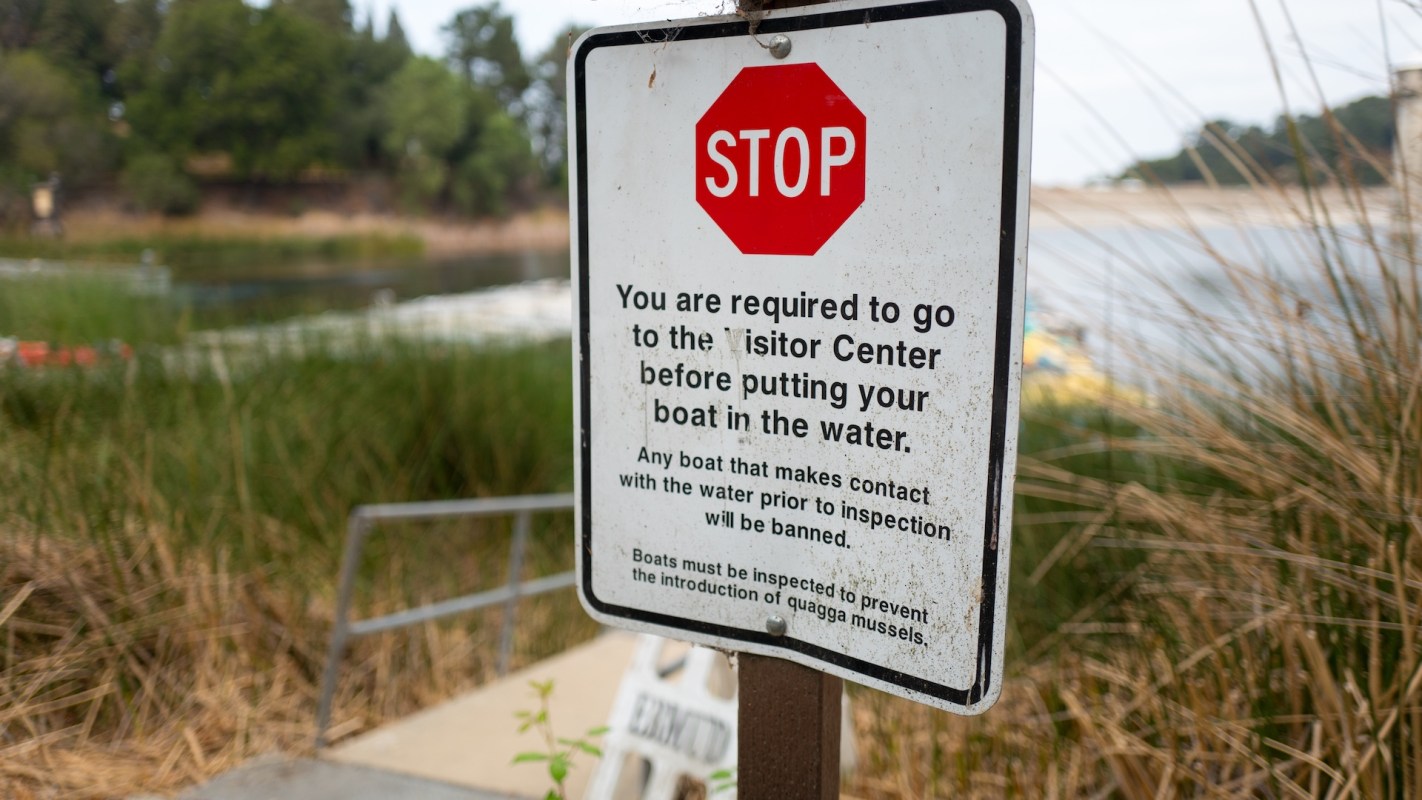
Montana's effort to keep invasive mussels out of its waters has hit an unexpected roadblock: A key federal grant meant to support boater education still hasn't arrived.
That delay is straining a nonprofit and raising concerns that shifting federal grant policies could leave communities with fewer tools to protect local ecosystems, according to recent reporting from Montana Public Radio.
What happened?
About one-third of the Invasive Species Action Network's budget is tied to a U.S. Fish and Wildlife Service grant awarded last fall. The nonprofit's executive director, Sara Ricklefs, told the local news outlet it is still stuck in review.
The money is intended to pay for boater education, a relatively cost-effective way to limit aquatic invasive species by teaching people how to avoid moving mussels from one waterway to another. Ricklefs said the missing funding has "severely hampered" that effort.
Meanwhile, the holdup appears to be part of a wider pattern.
Scott Delaney, who helps lead Grant Witness, told MPR that the group began tracking federal funding disruptions after broad Trump administration cuts last year. It has since documented more than $80 million in delayed or canceled grants in Montana for disease research, climate resilience, and other public-interest projects.
TCD Picks » Quince Spotlight
💡These best-sellers from Quince deliver affordable, sustainable luxury for all




Why does this matter?
The stakes go beyond a single nonprofit's finances. These programs are meant to protect Montana's ecosystems, including by shielding rivers and lakes before infestations become harder and more expensive to manage.
When outreach and education efforts drop off, there are fewer chances to reach boaters early, when simple steps can help protect waters critical to residents, tourism, and wildlife.
The delays are also adding to a larger budgeting problem for nonprofits around the state and the country.
Delaney said mass grant cancellations are being replaced by reviews and stalled payments. Meanwhile, Adam Jespersen of the Montana Nonprofit Association told MPR that a proposed federal policy change could make funding even less predictable by allowing political appointees to award or pull back grants based on political priorities.
What's being done?
For now, Ricklefs said her organization is still waiting for the grant to be released after being told it remains under review, leaving the group to continue its work with fewer resources than expected.
At the same time, watchdog and nonprofit organizations are trying to push back.
Grant Witness is tracking delayed and canceled awards to document the scale of the problem and its effect on on-the-ground projects. And, according to MPR, 30 Montana nonprofits have also signed a letter urging the federal budget office to reject the proposed rule change.
If approved, the new grantmaking rules would take effect in October.
Jespersen said the proposed changes add "a political bent to it we've never seen in the past."

Get TCD's free newsletters for easy tips, smart advice, and a chance to earn $5,000 toward home upgrades. To see more stories like this one, change your Google preferences here.







