


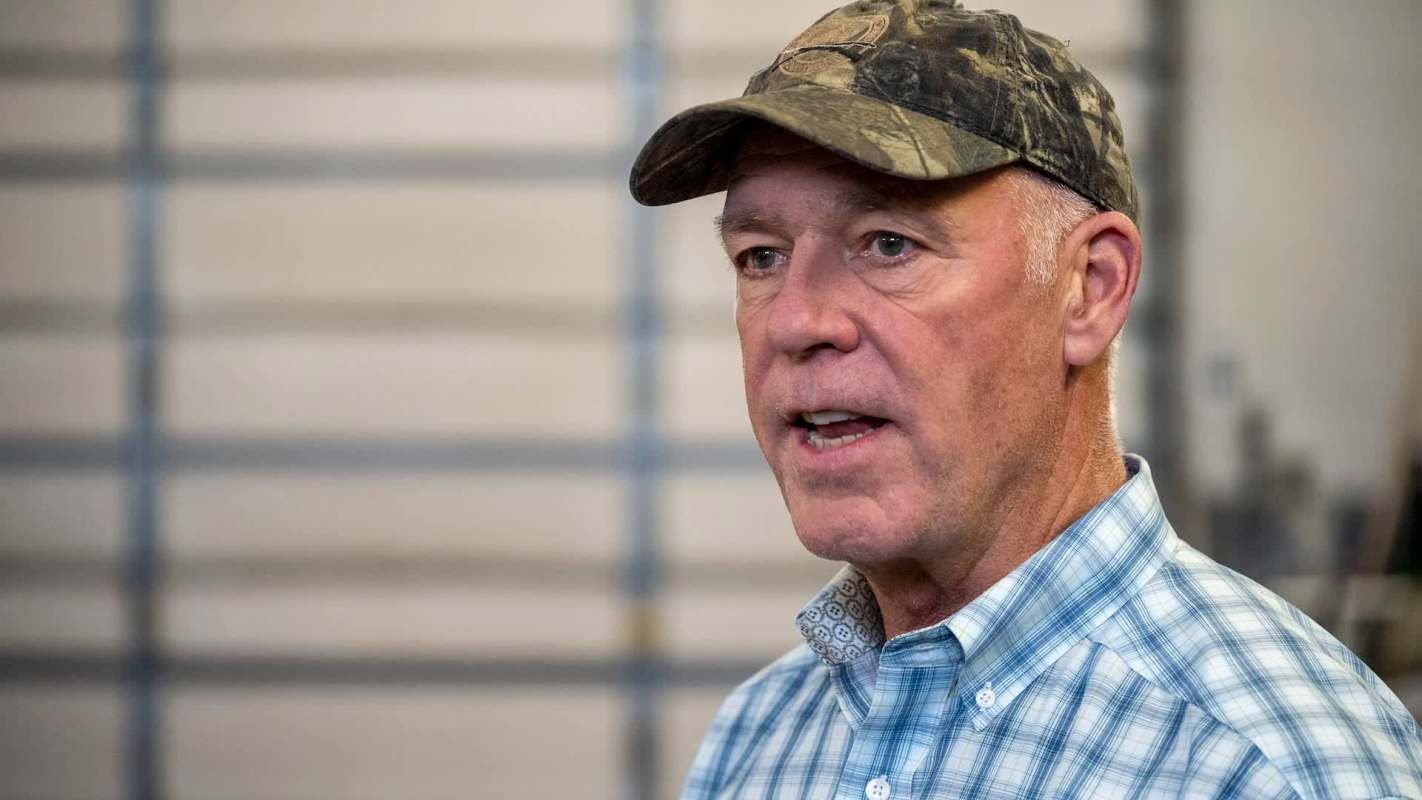
Montana Governor Greg Gianforte declared May 17 a "Day of Prayer for Rain" as drought worsened in the state.
According to data from the National Integrated Drought Information System, almost 60% of Montana was under drought conditions on May 15, with more than 32% in severe or extreme drought.
The proclamation sparked backlash online, where critics argued that communities dealing with dry fields, shrinking waterways, and rising wildfire risk need planning, water protections, and other science-based responses, not just symbolism.
What happened?
Gianforte issued the proclamation after what he described as an unseasonably warm and dry winter.
"Across Montana, we are experiencing a persistent and extreme drought," the governor said, adding that he hoped residents would join him in prayer for rain to support farmers, restore river and stream flows, and reduce wildfire intensity.
The announcement drew criticism on social media. In a Reddit thread on r/environment, one commenter wrote, "Well then thoughts and prayers." Another said, "Prayer ain't gonna do diddly-squat," arguing that elected leaders should be responding to worsening drought as a policy issue.
TCD Picks » Quince Spotlight
💡These best-sellers from Quince deliver affordable, sustainable luxury for all




Others pointed to the broader consequences, warning that dry conditions could help drive another dangerous fire season while putting more pressure on already stressed freshwater supplies.
Why is Montana's drought concerning?
Drought affects far more than the weather. For farmers and ranchers, it can mean weaker crops and rising financial strain. For families and communities, it can mean tighter water supplies, worse air quality from wildfire smoke, and greater risks to homes and infrastructure. For rivers and ecosystems, lower flows can threaten fish, wildlife, and overall water quality.
Across the West, hotter temperatures and drier seasons are making those challenges harder to manage. Warm winters can shrink snowpack, which acts as a natural water reserve for many communities. When snow arrives in lower amounts or melts earlier in the year, streams and soils can dry out faster once summer heat arrives.
That is part of why critics found the governor's announcement troubling. A day of prayer may hold personal meaning for some residents, but it does not replace drought planning, water conservation, watershed protection, or wildfire preparedness.
The human stakes are especially high. Farmers need dependable irrigation, firefighters need resources in place before blazes spread, and residents need leaders focused on resilience as dry conditions intensify.
What's being done about Montana's drought?
Communities have tools to reduce drought risk and build resilience, including upgrading irrigation systems, fixing water leaks, restoring wetlands and watersheds, improving forest management to reduce wildfire severity, and creating local drought contingency plans.
Steps like these can help stretch available water supplies while protecting communities from the worst effects of prolonged dry spells.
Residents can also support leaders and policies that treat drought as a long-term planning challenge rather than a one-day event.
That can include backing investments in water-efficient infrastructure, smarter land-use decisions, and stronger emergency planning ahead of fire season. Cutting the pollution from burning oil, gas, and coal that is driving rising global temperatures can help limit worsening extremes that make drought more difficult to manage and dry seasons even more dangerous.

Get TCD's free newsletters for easy tips, smart advice, and a chance to earn $5,000 toward home upgrades. To see more stories like this one, change your Google preferences here.







