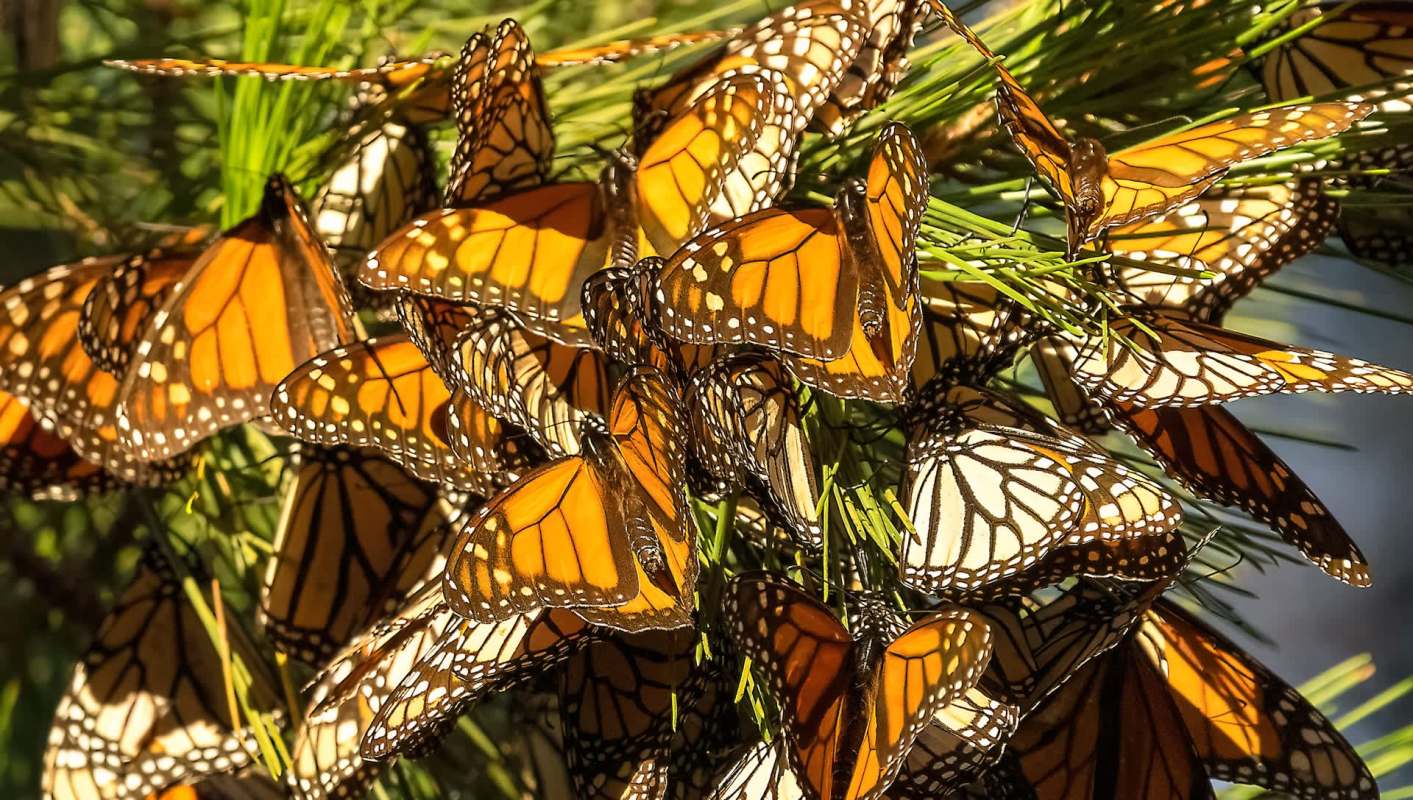
The monarch butterfly has long faced threats that have led to dwindling populations. However, a new study aimed at pinpointing one of the "whys" behind this issue suggested that warmer temperatures may alter migration.
What's happening?
According to Phys.org, researchers have found that rising temperatures may disrupt the monarch migration process, leading to the premature death of the insects.
The study, published in August this year in Royal Society Open Science, focused on how warmer fall temperatures affected the monarchs' ability to delay reproduction. That is part of the process that allows them to fly south for the winter and reproduce in spring.
According to the Phys.org report, the scientists exposed nearly 500 monarchs to simulated warm and cold temperatures. The researchers measured the butterflies' body condition, reproductive development, and mortality.
The study indicated that warmer temperatures played a role in destabilizing the traits that control delayed reproduction and lipid storage, reported Phys.org. As a result, the researchers noted that "Higher temperatures may cause some autumn monarchs to … abandon migration and attempt reproduction."
Unfortunately, this is just one possible explanation for the decline in monarch population. Other scientists have hypothesized that insecticides, milkweed loss, and severe weather also contribute to declines in pollinator populations.
Why is monarch migration important?
In the warm simulation, the researchers found that the monarchs ended delayed reproduction to start mating early. They explained that stopping this process causes them to die before spring.
Additionally, the study found that the body condition of male monarchs worsened and their mortality risk increased by 88%.
"Reproductive development during overwintering ... [was one of] the greatest predictors of mortality," said the scientists, according to Phys.org. "Our results suggest that warming temperatures in the field should have an impact on monarch migration and overwintering success."
The butterflies also play a role in pollination, which helps protect our food supply and sustain ecosystems, according to the Monarch Joint Venture. The group explained that while monarchs are not the most efficient pollinators, their iconic status helps spread conservation awareness.
TCD Picks » Upway Spotlight
💡Upway makes it easy to find discounts of up to 60% on premium e-bike brands





|
Do you worry about having toxic forever chemicals in your home?
Click your choice to see results and speak your mind. |
 Majorly 😥
 What's being done to help monarch butterflies?
Despite the concerns raised in this study, there are numerous ways to help conserve monarch butterflies. For example, swapping your lawn or garden for native plants is one of the easiest ways to create a habitat for butterflies and other pollinators.
According to an article from the BBC, native milkweed is the only food source available for monarch caterpillars and is a host for their eggs. The report also emphasized that native plants and nectar-rich flowers offer food for butterflies and many other pollinators.
On a larger scale, supporting a reduction in air pollution is another way to protect pollinators. Whether you make personal swaps or vote for candidates who support conservation, you can make a difference in the life and migration of the iconic monarch butterfly.

Join our free newsletter for good news and useful tips, and don't miss this cool list of easy ways to help yourself while helping the planet.
Cool Picks