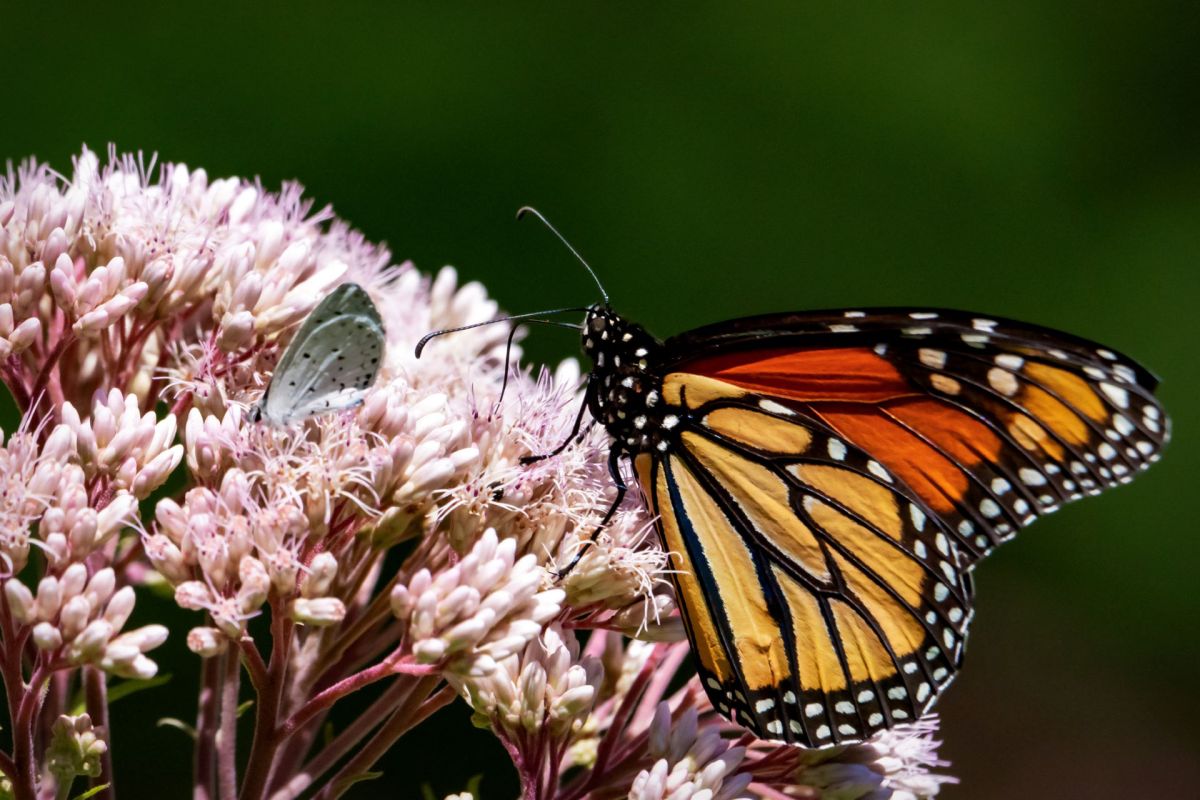
A new study by University of Georgia researchers found that higher temperatures may make monarch butterflies more vulnerable to parasites. Since monarchs play a vital role in pollination, this could spell trouble for the human food supply.
What's happening?
A recent study found that monarch butterflies exposed to higher temperatures experienced higher parasite rates.
Unfortunately, this parasitic infection can cause serious consequences, including smaller wingspans, lower weight, and shorter lifespans. UGA Today added that it can also impede the monarchs' ability to migrate.
Milkweed, which produces a toxin that can help protect against the parasite, proved unhelpful in higher temperatures, UGA Today reported.
"Even monarchs have limits. They can tolerate the toxins up to a point, but there are side effects," Sonia Altizer, the study's lead author, told UGA Today.
The monarch butterflies that were exposed to elevated temperatures were 22% less tolerant of the infection, causing worse symptoms. The research also found that the parasites infected more butterflies in warmer temperatures.
TCD Picks » Upway Spotlight
💡Upway makes it easy to find discounts of up to 60% on premium e-bike brands





"I think this could mean that a warmer world might be a sicker world for monarchs," Altizer added.
Why is monarch health important?
Monarch butterflies are one of the most well-known pollinators, often acting as a mascot for conservation. The Monarch Joint Venture said that their popularity could make the public more likely to protect them.
However, deforestation and higher temperatures have severely affected monarch populations through not only parasites but also habitat loss, per the National Park Service.
If monarch butterflies die off, it could signal a more significant issue among other insects and wild animals that share the same habitats. Should they go extinct, other pollinators could follow suit, which may impact the human food supply, Friends of the Earth explained.
TCD Picks » Quince Spotlight
💡These best-sellers from Quince deliver affordable, sustainable luxury for all




|
What's the most you'd pay per month to put solar panels on your roof if there was no down payment?
Click your choice to see results and speak your mind. |
 $200 or more 💰
 The butterflies are also drivers of tourism in certain regions, such as the Monarch Butterfly Biosphere Reserve in Mexico, according to Emory University. This area relies on the butterflies to attract tourists who want to see the monarchs during the winter.
What's being done about declining monarch populations?
Although preventing parasites in monarchs is complex, especially with other looming threats like insecticide use and worsening weather. Luckily, there are several ways to help.
For example, the Natural Resources Conservation Service offers technical and financial support for people who own farms, forests, and ranches. These experts can help landowners implement best practices that support monarch populations.
On a personal level, you can create a pollinator-friendly garden with native plants to attract monarchs and other insects, per the World Wildlife Fund. When possible, avoid chemical pesticides and herbicides, which can harm wildlife.

Get TCD's free newsletters for easy tips to save more, waste less, and make smarter choices — and earn up to $5,000 toward clean upgrades in TCD's exclusive Rewards Club.
Cool Picks