


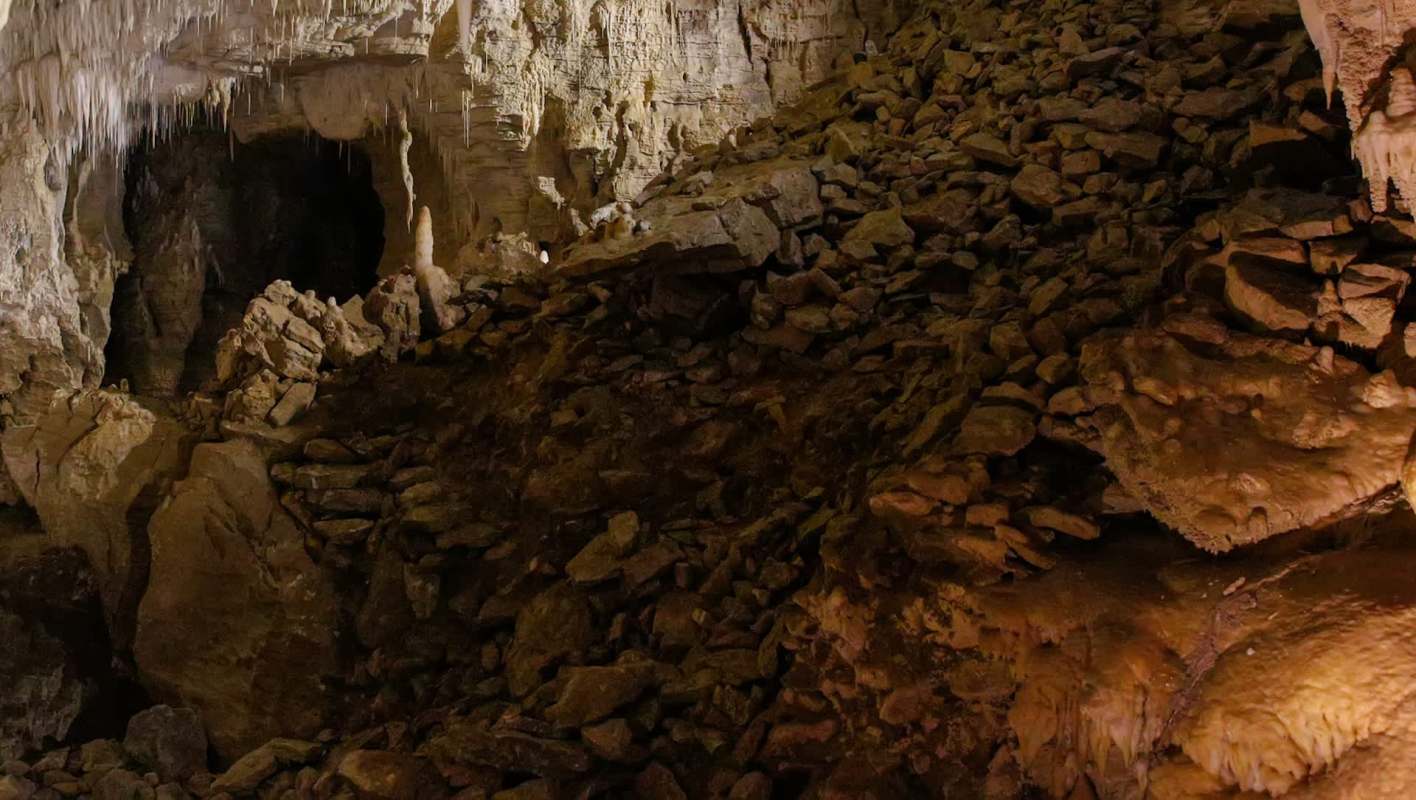
When scientists recently investigated a cave in Aotearoa, New Zealand, they didn't expect to find ancient animal remains.
According to Discover Wildlife, the fossils were found in the Moa Eggshell Cave on the North Island. They're between 1 million and 1.5 million years old, and they contain 12 species of extinct birds and four of extinct frogs.
This discovery filled in a lot of information for researchers. Discover Wildlife stated that they know a lot about what the islands were like 18 million years ago and 1,000 years ago, but not much in between.
"This wasn't a missing chapter in New Zealand's ancient history; it was a missing volume," said Paul Scofield, the senior curator of natural history at Canterbury Museum, in a Flinders University press release.
Now, others can know about the research team's findings, which were published in Alcheringa: An Australasian Journal of Palaeontology.
Someone once said that, instead of repeating itself, history rhymes. As the present environment mirrors past events, this kind of research is crucial.
For example, Discover Wildlife noted that some of the birds whose remains researchers found went extinct because of "cataclysmic volcanic eruptions and rapid changes in climate."
Volcanic eruptions like Krakatoa and Pompeii haven't happened recently. But Hayli Gubbi in Ethiopia erupted for the first time in 12,000 years last November and blanketed villages in ash.
At the same time, it's no secret that temperatures are rising around the globe. As the planet heats up, birds across continents are struggling to survive.
Rising temperatures are also contributing to extreme weather events, making it harder for people and wildlife alike to survive. Among other effects, extreme weather can threaten food supply chains, ruin ecosystems, and cause financial and property damage.
TCD Picks » Quince Spotlight
💡These best-sellers from Quince deliver affordable, sustainable luxury for all




|
What's the most you'd pay per month to put solar panels on your roof if there was no down payment?
Click your choice to see results and speak your mind. |
 $200 or more 💰
 By studying fossils and past events, scientists can determine better solutions to current issues, such as sustaining endangered wildlife.
Discover Wildlife also mentioned that the remains found included an ancestor of the large, flightless bird known as the takahē. While it's had a glorious revival over the last 78 years, the takahē is still threatened. Learning more about the takahē's ancestors could allow researchers to strengthen conservation efforts for the bird.
"This study proves that natural forces like super-volcanoes and dramatic climate shifts were already sculpting the unique identity of our wildlife over a million years ago," said Trevor Worthy, an associate professor at Flinders University.
Hope isn't lost yet. There are more strategies out there to create a cleaner, safer world for everyone. It just might take a little extra excavating to find the answer.

Get TCD's free newsletters for easy tips to save more, waste less, and make smarter choices — and earn up to $5,000 toward clean upgrades in TCD's exclusive Rewards Club.
Cool Picks




