


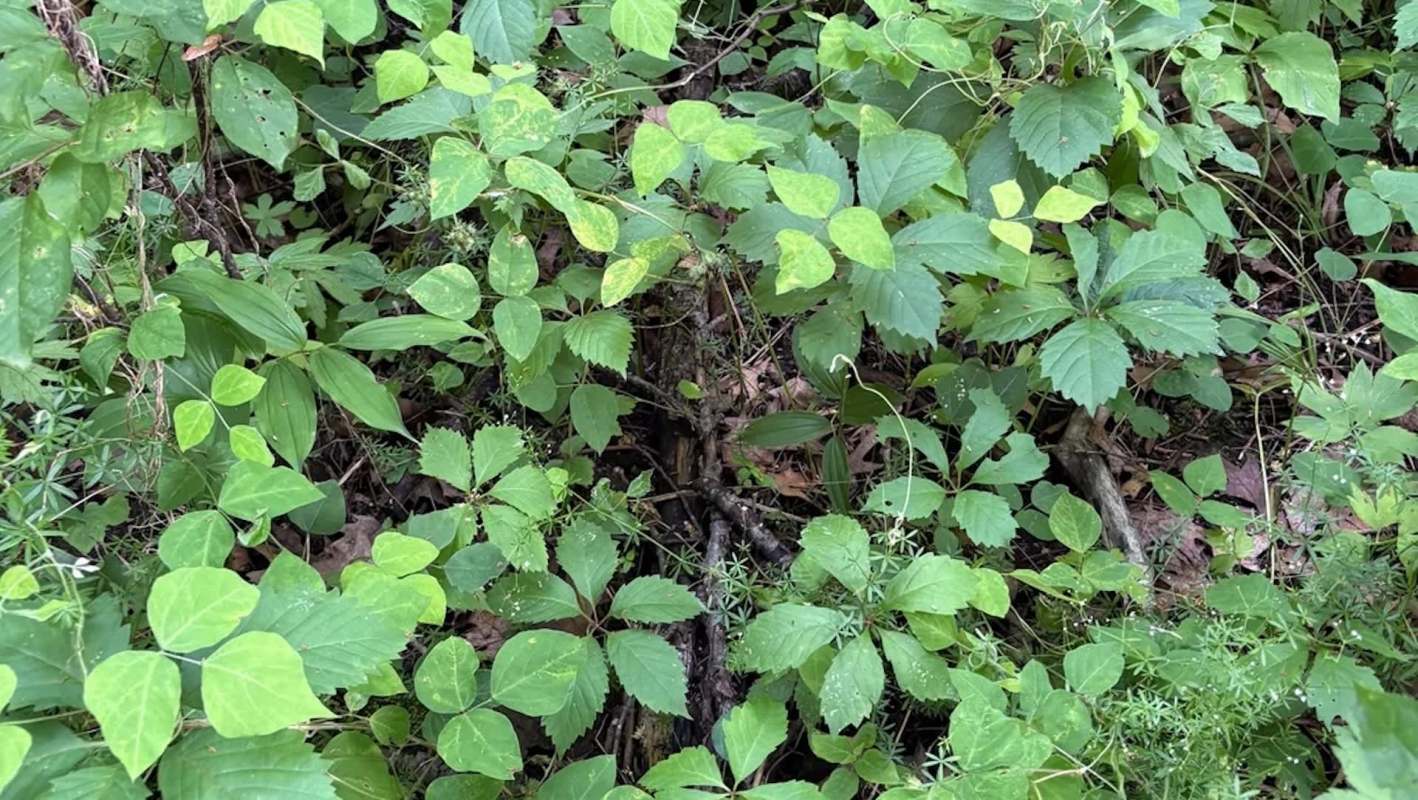
A Minnesota family, thinking about eight grandchildren and a future dog, asked the sleuths on the r/whatsthisplant subreddit for help with a worry in the woods behind their parents' home.
What they got instead of an alarming answer was a reassuring lesson in plant ID and a reminder that not every "leaves of three" plant is trouble.
What happened?
In a recent thread, the original poster shared photos from the woods in southeastern Minnesota and simply asked, "Do my parents have poison ivy?"
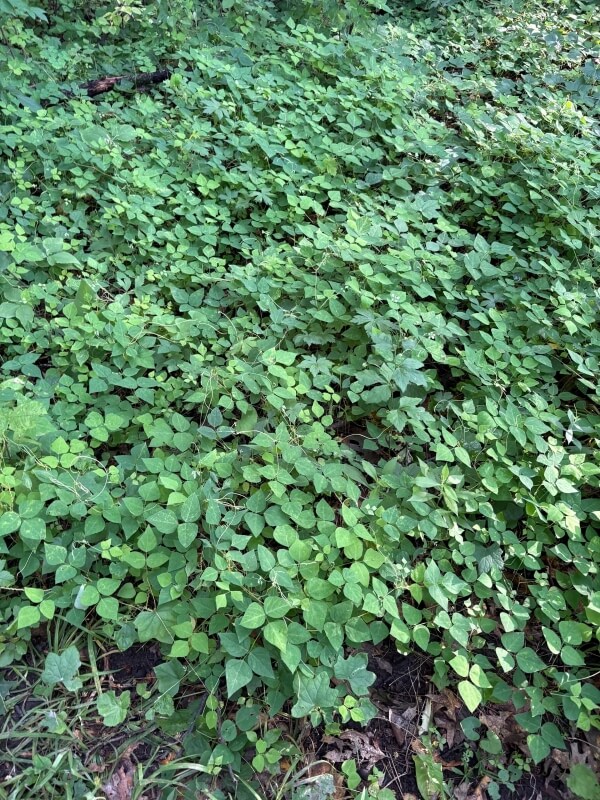
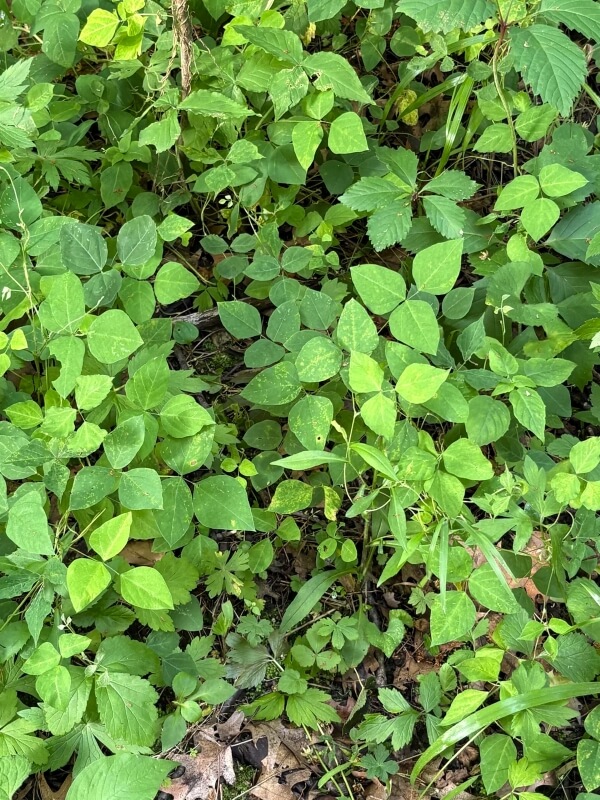
Several commenters in the discussion identified the main vine as American hog peanut, or Amphicarpaea bracteata, a native legume that can resemble poison ivy at first glance. That meant most of what worried the family was not poison ivy.
"Wowow what a thrilling discovery for op," a commenter reacted. "I'm jelly."
The broader takeaway from the replies was encouraging. The woods were not blanketed in poison ivy, even though a few plants may still have needed a closer look. Commenters also identified Virginia creeper, moonseed, and Jack-in-the-pulpit among the plants in the area.
TCD Picks » Quince Spotlight
💡These best-sellers from Quince deliver affordable, sustainable luxury for all




One commenter also drew attention to hog peanut's unusual biology, explaining that it produces two kinds of blooms and fruits, including edible underground "peanuts."
Why does it matter?
For many people, poison ivy is more than a nuisance. Brushing against it can trigger an intensely itchy rash, making it a real concern for families with children and pets who spend time outdoors.
At the same time, misidentifying plants can lead people to remove harmless native species from their yards and wooded areas. Native plants help support local ecosystems, contributing to soil health and providing habitat for insects and wildlife.
The old warning phrase "leaves of three" can be helpful, but it is not enough on its own. Many harmless plants share that same general structure.
A more reliable way to tell poison ivy from lookalikes is to study how the leaves are shaped and arranged. The side leaflets often appear uneven or asymmetrical on poison ivy, and learning to spot that can help people avoid both painful exposure and unnecessary plant removal.
What can I do?
If you think you have poison ivy on your property, slow down before pulling anything out. Compare several traits, not just the number of leaflets. Look closely at leaflet symmetry, stem growth, and whether the plant is climbing, sprawling, or standing upright.
If you are unsure, ask for help from a local extension office, native plant group, or reputable plant identification forum. A second opinion can help you avoid painful exposure and unnecessary plant removal.
When you suspect poison ivy, avoid handling it with your bare hands. Wear gloves and long sleeves, and wash exposed skin and clothing promptly after contact. Never burn it, since the irritating oils can become airborne.
For families with children or pets, it can also help to create pathways through wooded areas and learn the common native lookalikes in your region.

Get TCD's free newsletters for easy tips, smart advice, and a chance to earn $5,000 toward home upgrades. To see more stories like this one, change your Google preferences here.







