


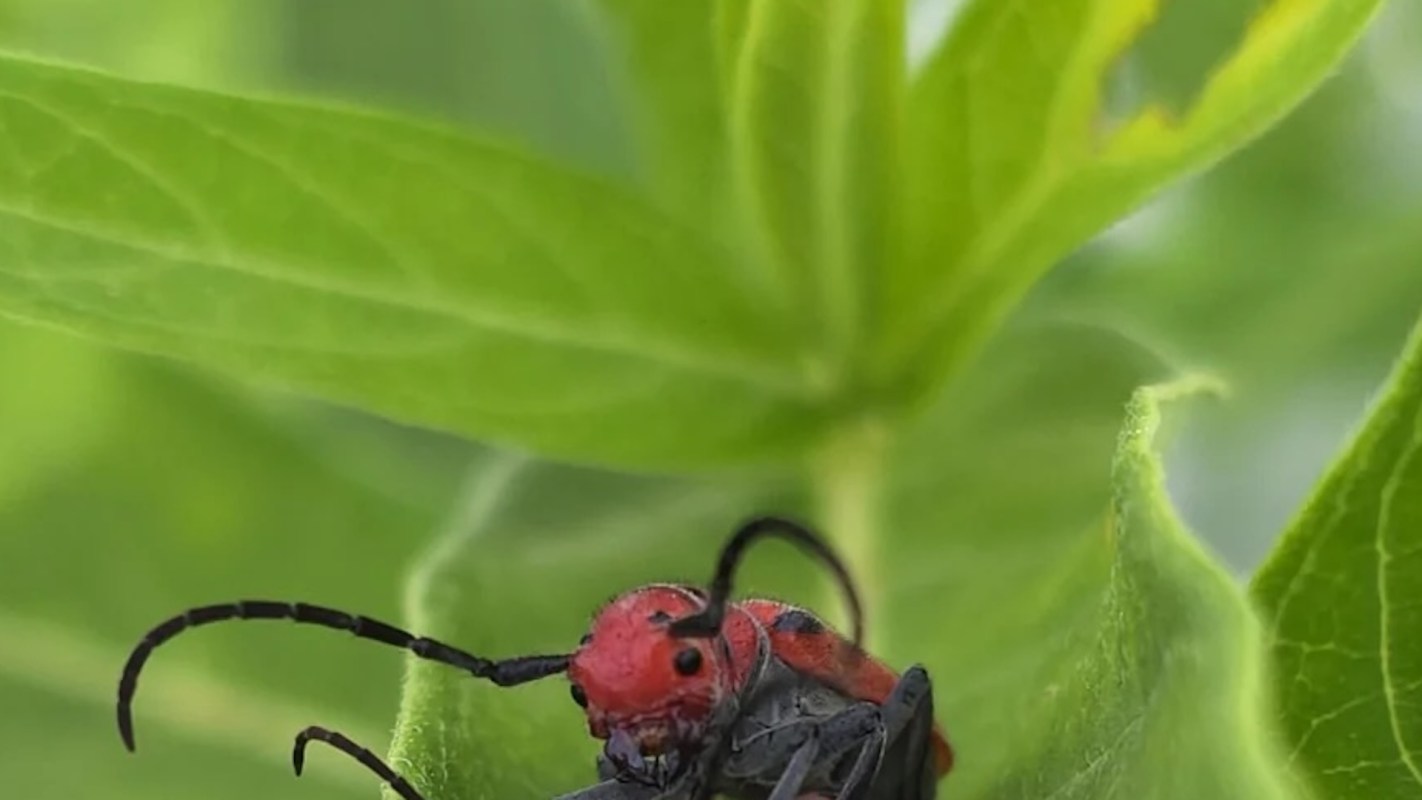
A Reddit image of common milkweed with some vivid orange-and-black insects sparked a ton of discourse over the visitors.
Instead of confirming a pest crisis, though, the visitors to r/NativePlantGardening revealed the original poster had nothing to worry about.
What's happening?
On Reddit, a user posted a photo of the plant and wrote that "milkweed is being taken over by these guys."
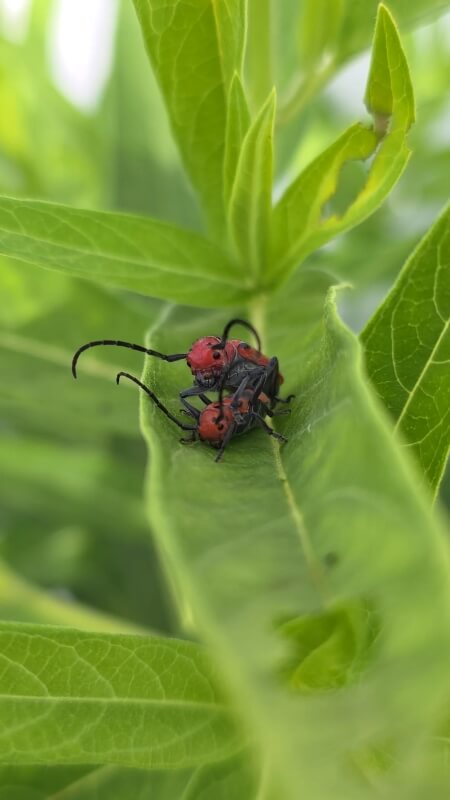
Their framing led other members to weigh in on what the insects were.
Commenters identified them quickly, with one calling them "good!"
"Tetraopes tetrophthalmus, the red milkweed beetle," they wrote. "An herbivorous specialist beetle whose entire lifecycle is dependent on the common milkweed."
TCD Picks » Quince Spotlight
💡These best-sellers from Quince deliver affordable, sustainable luxury for all




Though a cluster of these "four-eyed" beetles can look overwhelming, they mostly feed on milkweed leaves and usually do not cause much damage to the surrounding pollinator habitat.
"They purr around each other and chirp at you if you pick them up," a user added, as another gardener called them "the cutest bugs in the garden."
Because milkweed is so widely recognized as a wildlife-friendly native plant, seeing its stems blanketed with insects can make people assume the plant is in trouble.
In reality, native plants support more than a single celebrated species. They often host many insects at once, and some of those visitors are part of a healthy ecosystem rather than evidence of a problem.
Why does it matter?
This kind of identification moment can help prevent a well-meaning mistake of reaching for pesticides when the insects in question are simply doing what native insects do. Broad spraying can harm butterflies, bees, and other beneficial bugs far more than it helps.
A thriving yard may look less tidy and more active than a traditional lawn, but that activity is often the point. Native planting can support pollinators, reduce watering needs, and cut back on mowing and maintenance.
More homeowners are replacing at least part of their grass with lower-maintenance alternatives such as native plants. Even a partial lawn replacement can save money and time on upkeep while lowering water bills.
Doing so can add some cute and unexpected bugs into the mix, and even the legendary monarch butterflies when it comes to milkweed.
What can I do?
If you spot unfamiliar insects on milkweed or another native plant, the first step is usually to observe before acting. A quick photo and a question in a local gardening group, native plant forum, or extension resource can help you distinguish between a destructive infestation and a normal native visitor.
It also helps to focus on what the insects are doing. If they are feeding on seeds and the plant is otherwise healthy, leaving them alone may be the best option. If a plant is truly struggling, targeted management is usually safer than broad-spectrum sprays.
A garden full of insect activity is not always failing — sometimes it is functioning as intended.
"All of these species are basically harmless to the milkweed," a commenter explained. "All, including monarchs, have aposematic coloring, bright warning red and black, because they can safely absorb the nasty chemicals from milkweed to make themselves taste bad to predators!"

Get TCD's free newsletters for easy tips, smart advice, and a chance to earn $5,000 toward home upgrades. To see more stories like this one, change your Google preferences here.







