


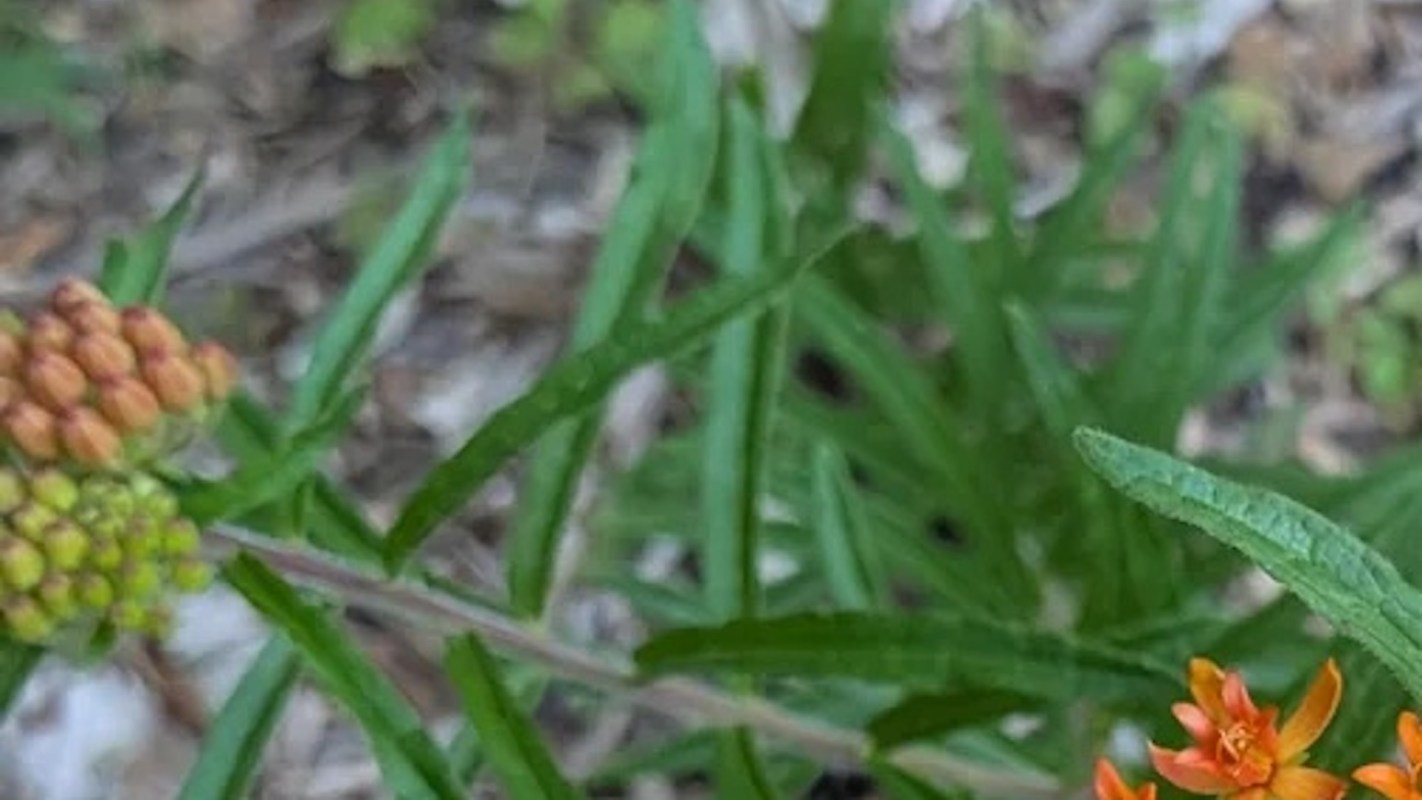
A native gardener spent several seasons trying to establish milkweed without much to show for it. Then, only after deciding to stop trying, the plants started turning up everywhere.
As aggravating as that was, the surprise was also funny and oddly encouraging: native gardens often develop on their own schedule.
What happened?
In a post on Reddit, the gardener said the effort to get milkweed growing had seemed like a complete failure right up until the moment it wasn't.
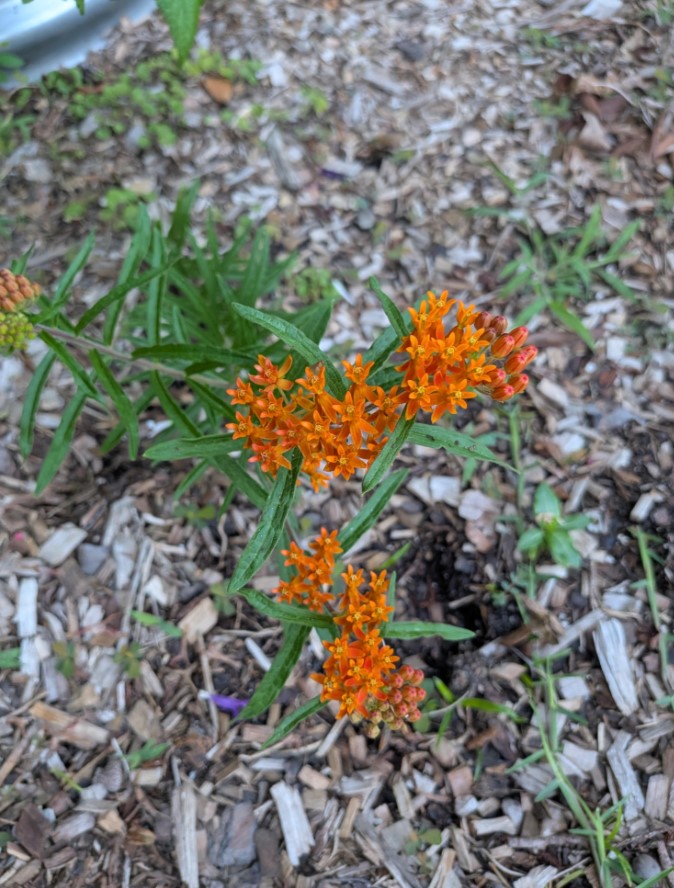
"Ah, that would explain it. I just find it hilarious that I gave up this year and decided I was done trying. And then boom. Milkweed."
The replies were filled with similar stories from other gardeners who said they had experienced the same kind of delay.
Several commenters pointed to a familiar saying about native perennials: "The first year they sleep, the second year they creep, and the third year they leap."
TCD Picks » Quince Spotlight
💡These best-sellers from Quince deliver affordable, sustainable luxury for all




One person responded with a nearly identical story: "One year I tried planting milkweed carefully and nothing grew. Next year I didn't realize that some milkweed seed pods were in a plastic bag on the edge of my garden (kid dropped it there and it got covered with leaves in the fall). Seed pods mostly rotted so I just dumped them on the ground. It's now a huge beautiful patch of milkweed 5 ft tall."
Commenters also noted that milkweed does not all behave the same way. Some species germinate better after a cold, moist stratification period, and one gardener said scientific names are useful because Asclepias includes many different species.
Why does it matter?
Milkweed is one of the most important native plants for pollinators, especially monarch butterflies, which depend on it as a host plant for their caterpillars.
A patch that seems slow to establish can eventually become a valuable source of habitat for insects and other wildlife.
Native plants often behave very differently from conventional lawn grass or fast-growing ornamental species. In many cases, they spend more time building deep root systems before showing much above-ground growth.
Replacing part of a traditional lawn with native plants can reduce mowing, watering, and other upkeep, helping homeowners save both time and money while lowering water bills.
Even a partial lawn replacement can bring those benefits, especially in places where thirsty turf grass struggles.
What can I do?
If you are starting from seed, it is worth checking whether the species needs cold stratification and looking for varieties native to your region so they are better suited to local conditions.
Swapping even one section for native plants can create a lower-maintenance yard that supports pollinators and reduces outdoor water use.
"Ah, that would explain it. I just find it hilarious that i gave up this year and decided I was done trying. And then boom. Milkweed." As another gardener put it, "Native plants do be like that."

Get TCD's free newsletters for easy tips, smart advice, and a chance to earn $5,000 toward home upgrades. To see more stories like this one, change your Google preferences here.






