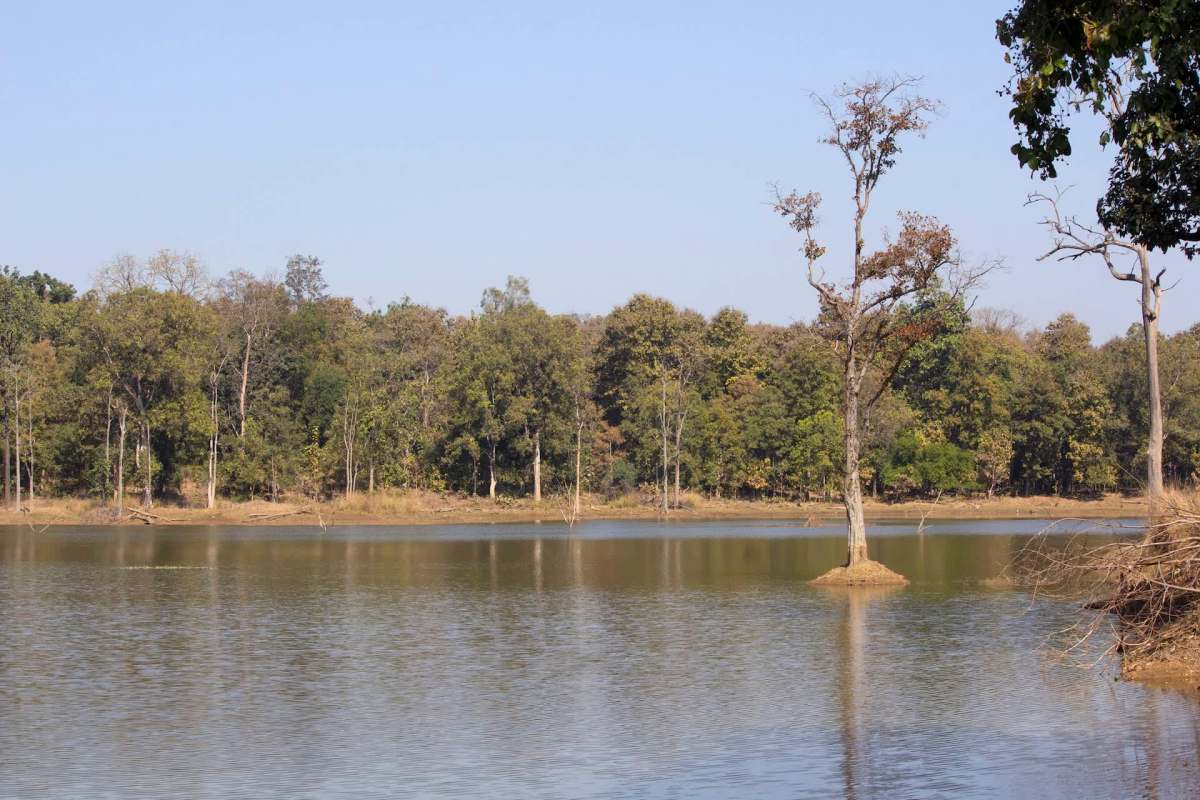
Experts studying birds over the last fifteen years in India have seen a dramatic drop in the number of migratory species visiting the Nagpur District each year, the Hitavada reported.
As the seasons cycle between warm and cool each year, birds typically travel from north to south and back in search of the right conditions to thrive and raise their young. However, as increased pollution creates rising temperatures and human activity damages habitats, that cycle has been severely disrupted.
What's happening?
Both the total number of birds and the variety of species visiting the area have decreased dramatically. The Hitavada shared that both numbers were higher between 2011 and 2016.
This decline in birds overall was very apparent between 2024 and 2025. Water quality in the area is likely affecting where birds choose to go.
"The number dropped drastically. … The condition of the lake is the main reason behind the natural migration of this species," ornithologist and honorary wildlife warden Avinash Londhe told the Hitavada. "We reported 600 to 1,200 plus flocks in [a] single day between 2011 and 2016. [Nowadays,] the count reduced [to] 50 to 75 plus flocks, which is a dramatic drop."
Londhe also said that Nagpur lakes used to have many different birds. But species like flamingoes, greylag geese, and gadwalls have stopped migrating there entirely.
TCD Picks » Upway Spotlight
💡Upway makes it easy to find discounts of up to 60% on premium e-bike brands





Why is declining bird migration concerning?
The loss of so many bird species is a significant indicator that the environment in the area has deteriorated over the last fifteen years.
"Degradation of lakes or wetlands in [the] city reduced the migration in recent years," Londhe said. "Increased anthropogenic activities, intrusion of Eichhornia weeds, cutting off of lake beds, and felling of trees from lake banks are the major reasons behind [the] drop in [the] number of migratory birds."
Other factors include rising temperatures in India and elsewhere.
Birds migrate to India from cooler places, but fewer are making the trip at all. When birds do go there, they stay for shorter periods of time. The migratory season as a whole has also shortened by four to five months.
TCD Picks » Quince Spotlight
💡These best-sellers from Quince deliver affordable, sustainable luxury for all




|
How often do you worry about air pollution where you live? Click your choice to see results and speak your mind. |
 Always 😷
 What's being done about the change in migratory bird behavior?
Other experts weighed in on the factors affecting this issue and the possible solutions.
Professor Jagdish Borkar shared with the Hitavada that cyclones, heavy rainfall, and other extreme weather events are harming the lakes.
"There is an urgent need of restoration of key lakes in Nagpur District," Borkar stated.
Borkar noted that the area's biodiversity board and forest division should meet to discuss solutions as well. So far, those bodies have not met to discuss the issue.
Dr. Bharat Singh Hada, Member Secretary of the Maharashtra State Biodiversity Board, said, "We conduct [meetings] at village levels to educate and address issues related to biodiversity. Any data on [the] reduction of migratory birds in Nagpur district will be treated seriously, and the Board is ready to address the issue at State-level."

Get TCD's free newsletters for easy tips to save more, waste less, and make smarter choices — and earn up to $5,000 toward clean upgrades in TCD's exclusive Rewards Club.
Cool Picks