


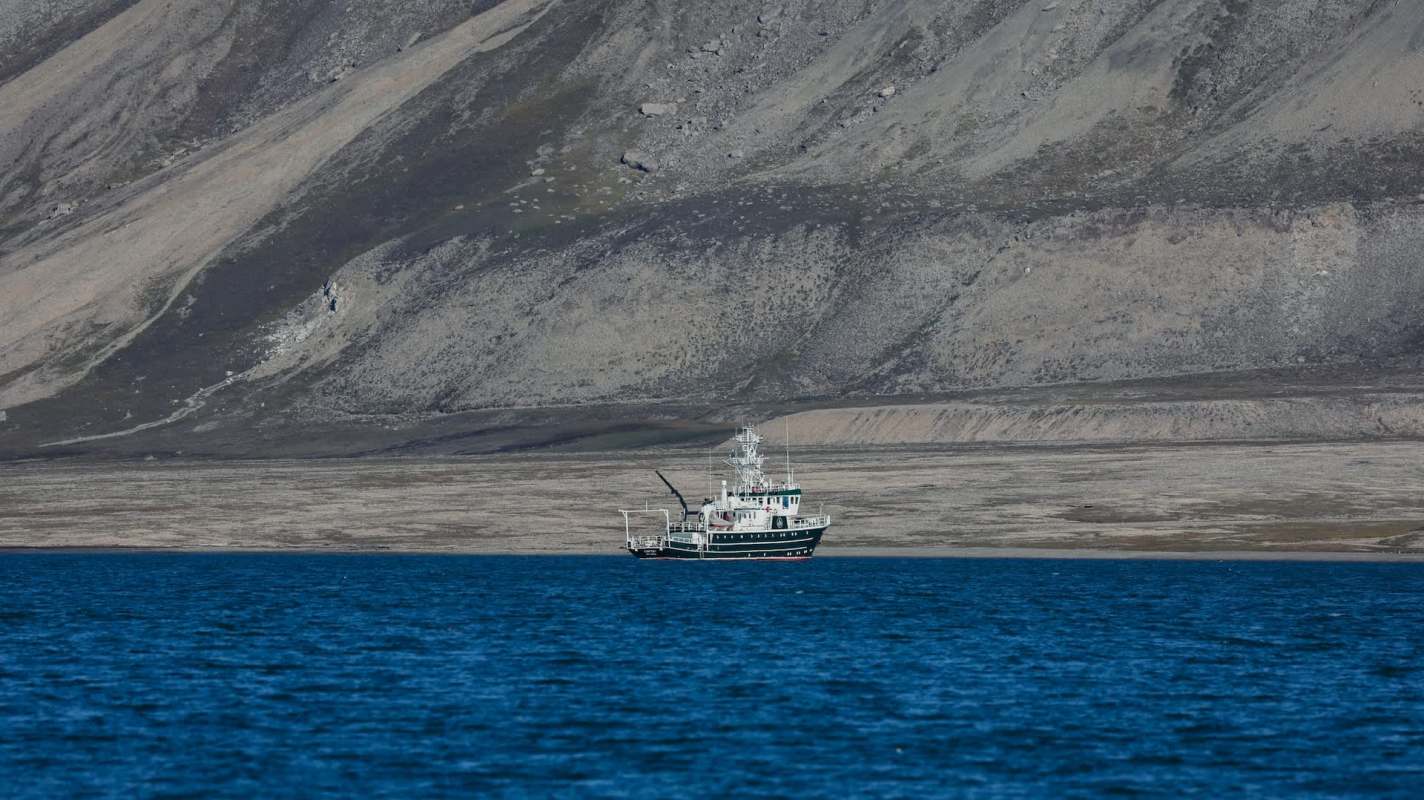
Athletes and scientists worked together to understand just how many microplastics are in British waters, according to Oceanographic.
What's happening?
The University of Portsmouth and GB Row Challenge collaboration found that there is more than double the amount of microplastics in water than was previously thought.
The GB Row Challenge is a 2,000-mile rowing challenge around Great Britain. Two rowing teams, Coastal Odyssey and Sea Change, collected crucial water samples for University of Portsmouth researchers. Coastal Odyssey also set a Guinness World Record for the fastest mixed rowing team to circumnavigate Great Britain, according to Oceanographic.
After receiving the samples, the research team used ultra-fine filters to analyze them. All microplastics found were smaller than 0.3 millimeters (0.1 inches).
"As our methods improve, we're getting a clearer and often more troubling picture of what's actually in the water," Laura Fantuzzi, a University of Portsmouth Ph.D. student who worked on the project, told Oceanographic.
A report stated that the average number of microplastics per cubic meter of water was 58. That's more than double what was found in 2022 and 2023 (23 and 20, respectively).
No microplastics were found off the east coast of England between Newcastle and Hull. The Irish Sea, however, had concentrations of 418 microplastics per cubic meter — the highest concentration seen over the last three years. Other sites also reported higher levels of microplastics, raising the average.
Why are microplastics important?
When plastic breaks down, it turns into tiny microplastic pieces. The microplastics can then make their way into water. They can accumulate in soil and the air as well.
"Smaller particles are more abundant and potentially more harmful, because they're more easily ingested by marine life," Fantuzzi told Oceanographic.
When people ingest or inhale microplastics, they could have higher risks of cancer and reproductive issues. As Fantuzzi noted, microplastics pose threats to marine wildlife survival. The report stated that microplastics are especially bad for animals such as the critically endangered European eel and the endangered Atlantic puffin.
TCD Picks » Upway Spotlight
💡Upway makes it easy to find discounts of up to 60% on premium e-bike brands





|
Which of these savings plans for rooftop solar panels would be most appealing for you?
Click your choice to see results and speak your mind. |
 Save $1,000 this year 💸
 What's being done about microplastics in water?
More research will be conducted this year to better understand microplastic activity. According to Oceanographic, teams Nautilus and Rowmads will collect more water samples June 14.
Several people, including a generous anonymous donor, made this research possible. Consider supporting research in your area financially or with your attention to make sure it can keep happening.
If you're looking to reduce your exposure to microplastics, use less plastic whenever possible. While things like food storage containers and water bottles can take some investment, you might find more cost-effective items while thrifting.

Get TCD's free newsletters for easy tips to save more, waste less, and make smarter choices — and earn up to $5,000 toward clean upgrades in TCD's exclusive Rewards Club.
Cool Picks






