


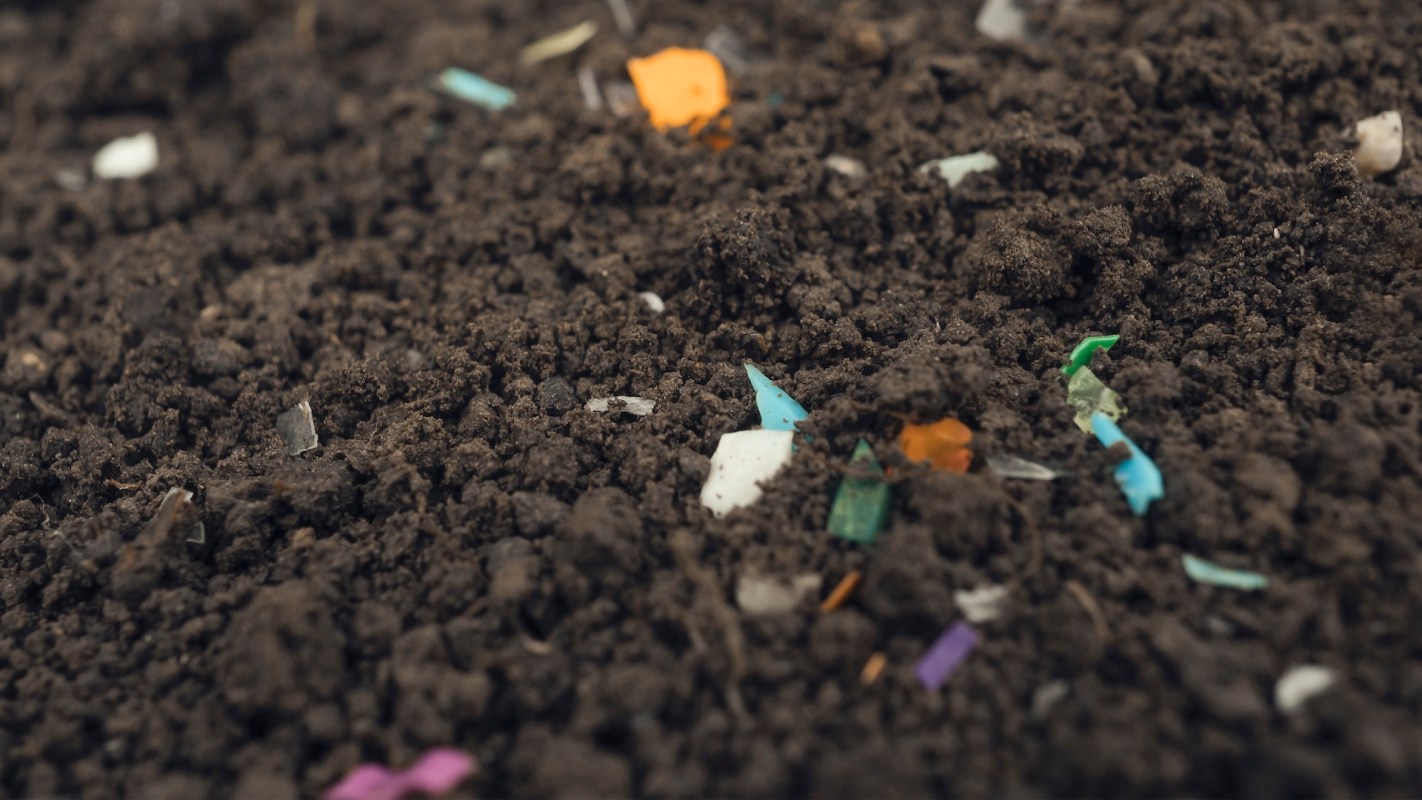
Microplastics have been detected in nearly every location on the planet with consistently bad outcomes for whatever they touch.
New research indicates that food crops such as tomatoes and wheat are anything but exempt from this pattern.
What's happening?
A study published in Environmental Science and Pollution Research by Griffith University in Australia examined the influence of microplastics and nanoplastics on tomato and wheat crops.
The small plastic particles negatively impacted plant growth and even entered plant tissue, as described in a news release shared by EurekAlert.
The researchers took great pains to avoid pitfalls that might produce unrealistic scenarios for microplastic contamination in soil. To that point, they used older plastics and ones that could be found in real-life agriculture based on their sizes and characteristics.
In the study, reductions in chlorophyll levels and overall plant health due to fiber-shaped plastic from textiles created the most negative effects. Mixes of micro- and nanoplastics demonstrated more toxicity than individual ones.
TCD Picks » Quince Spotlight
💡These best-sellers from Quince deliver affordable, sustainable luxury for all




These plastics didn't stay confined to the stems and roots throughout the study's duration, either. They ended up in tomato leaves, which is a cause for alarm, according to study lead Shima Ziajahromi.
"These findings demonstrate that agricultural soil is not just a sink for plastics but a pathway into the food systems — meaning they could end up on our plates," Ziajahromi said.
Why is microplastic contamination in crops concerning?
Scientists are still in the early days of recognizing the dangers of microplastics for human health, but a growing body of research suggests the particles are hazardous.
Their potential to disrupt crop growth and impact food safety is yet another concerning issue. Studies show that humans are already unwittingly consuming microplastics through food and water sources.
As the plastic pollution crisis grows, those incidences could rise. With links to deteriorating gut health, hormone disruption, and cancer, that is troubling news, especially for beloved crops such as tomatoes and wheat.
What's being done about microplastic contamination?
There are growing efforts to address plastic usage and shift to alternatives that naturally break down. Managing what's already out there is of critical importance.
"These results present potential risks to food safety, emphasising the need for new regulatory approaches informed by real-world plastic exposure scenarios," Ziajahromi concluded.

Get TCD's free newsletters for easy tips, smart advice, and a chance to earn $5,000 toward home upgrades. To see more stories like this one, change your Google preferences here.







