


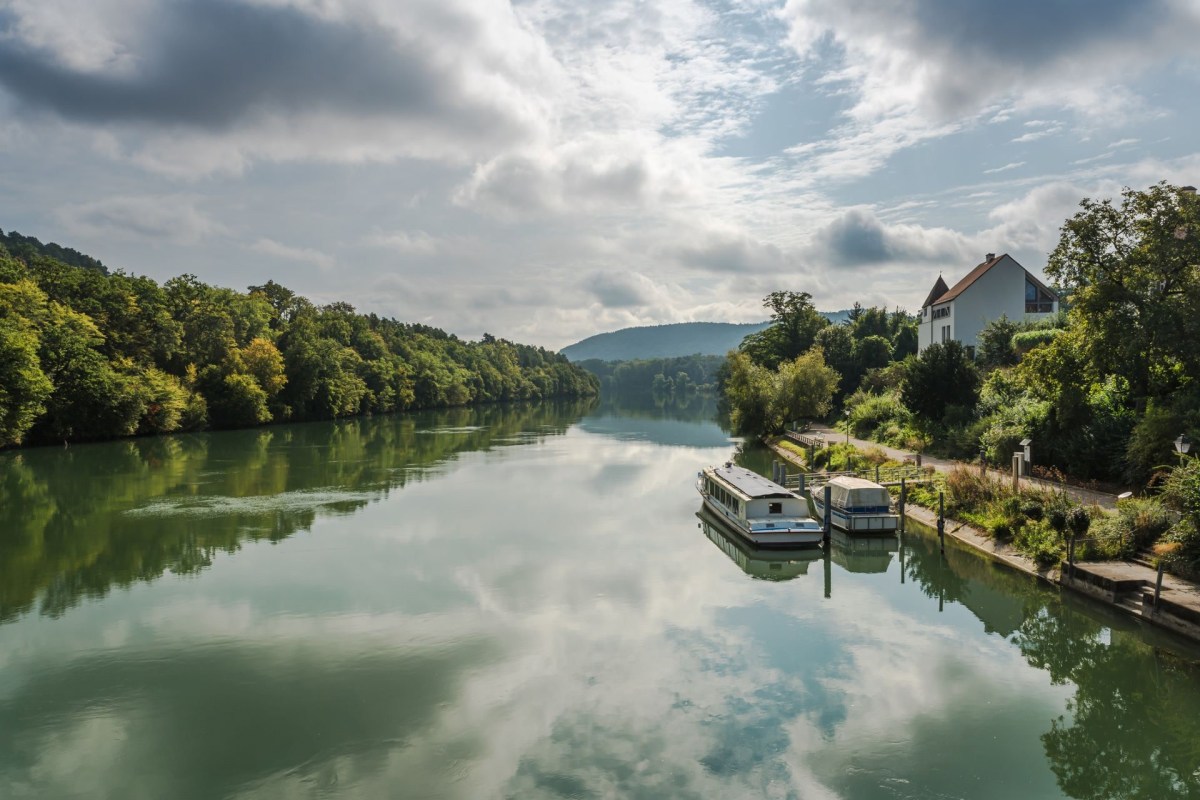
A new study on the breakdown of tires revealed concerning results that impact the bacterial layers of the Rhine River. Here's how these microplastic particles could alter the entire aquatic ecosystem.
Considering microplastics have been found all over the world — from remote waterways in Latvia to the Great Lakes — studies like these are integral to understanding their effects on the Earth and human health.
What's happening?
In a study published in the journal Environmental Pollution, researchers investigated the impact of microplastic particles from tires on biofilm composition in the Rhine. Phys.org reported that the survey found the biofilm, a bacterial layer on river stones, sediment, and artificial materials, had been altered.
Only certain types of bacteria colonized the altered biofilm, which reduced the diversity of microorganisms, as reported by Phys.org.
"If tire wear particles alter the composition of these biofilms, it affects the entire river system," study leader and PhD candidate Dana Bludau said, according to Phys.org.
The outlet stated that, when compared to the natural riverbed biofilm, older tires created significant differences that could have cascading effects.
Why is waterway microplastic pollution important?
Microplastics are a pervasive problem that affects the ecosystems we depend on for food, water, and recreation. According to Phys.org, the microbes found in biofilms play a significant role in nutrient cycling, the decomposition of organic material, and the food chain.
One of the study leaders, Dana Bludau, emphasized these concerns by saying, "If tire wear particles alter the composition of these biofilms, it affects the entire river system," reported Phys.org.
When microplastics infiltrate the ecosystems we depend on, they can have a ripple effect that begins in nature and eventually reaches the human body.
The National Oceanic and Atmospheric Administration explained this effect, starting when bacteria consume microplastics. Other animals, such as fish, eat them, and humans eat the fish, so microplastics could pass through the food chain.
TCD Picks » Quince Spotlight
💡These best-sellers from Quince deliver affordable, sustainable luxury for all




|
How often do you worry about the quality of your drinking water? Click your choice to see results and speak your mind. |
 Never 👎
 Additionally, it's not easy to remove microplastics from water, which means they are in our drinking water, too. According to the Penn State Extension, a study conducted at the university found that just one liter of bottled water contained 325 plastic particles.
Microplastics can also pose a hazard to aquatic animals. The NOAA Marine Debris Program stated that studies have shown microplastics can affect animal reproduction and development, as well as their ability to fight off diseases.
What's being done about microplastic pollution?
Plastic pollution impacts the water we drink, the oceans we fish in, and the beauty we seek. However, governments, organizations, and individuals worldwide are developing innovative strategies to combat microplastics.
The Oceanic Society, an organization dedicated to enhancing marine health, offers several suggestions for reducing trash in our water.
The group promotes public awareness about reducing the use of single-use plastics and practicing proper recycling. Or, as another example, taking local action by participating in (or donating to) a waterway cleanup.
Additionally, the Oceanic Society advocates for legislation that curbs plastic production, enhances waste management, and holds manufacturers accountable for their environmental impact.

Join our free newsletter for good news and useful tips, and don't miss this cool list of easy ways to help yourself while helping the planet.
Cool Picks




