


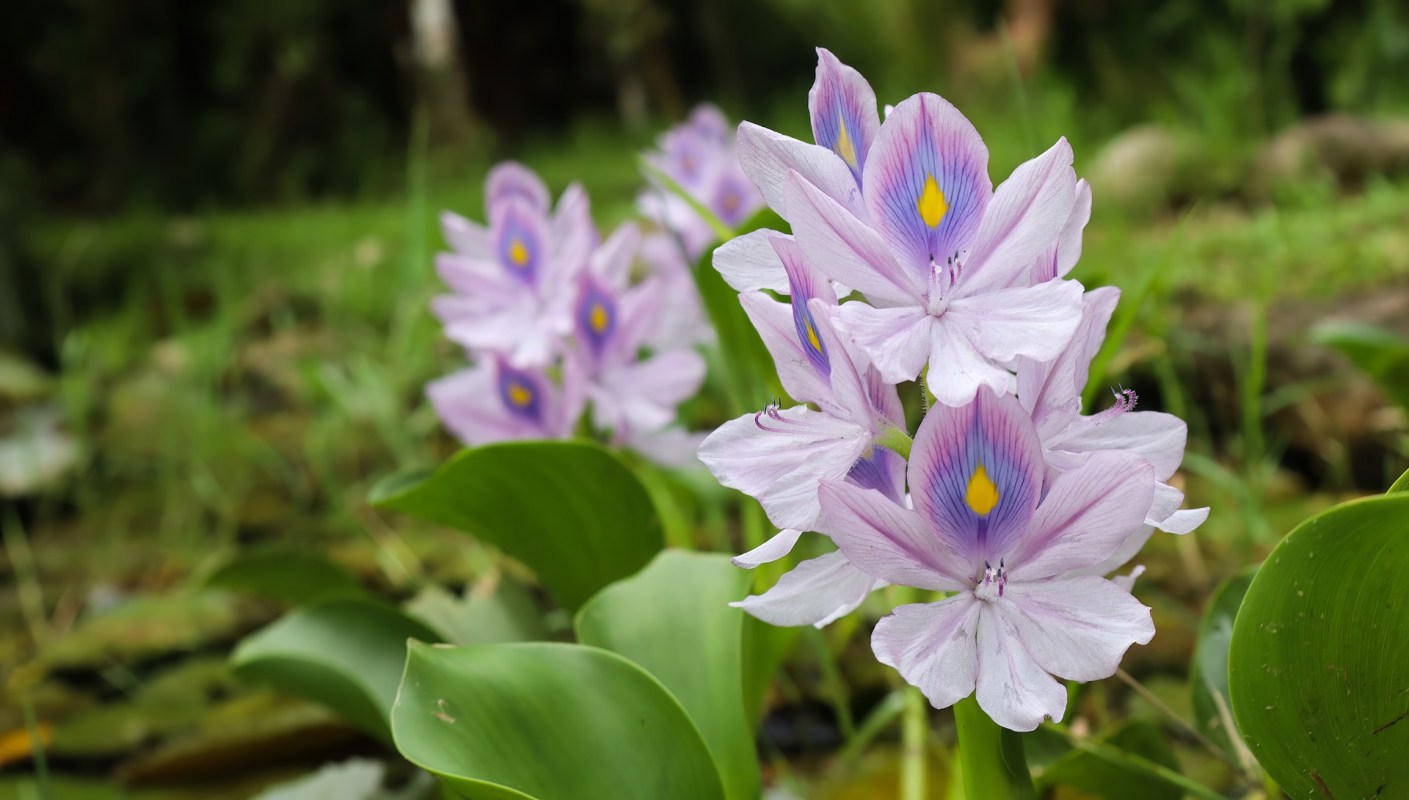
Michigan expanded its invasive species rules after a state commission unanimously added six plants to its prohibited and restricted lists, Bridge Michigan reported. Advocates hope this action will help shield waterways, forests, and taxpayer dollars from years of environmental harm.
What happened?
According to Bridge Michigan, the Commission of Agriculture and Rural Development approved new limits for six plant species. Water hyacinth and water lettuce were barred from sale as of June 19. Common buckthorn, glossy buckthorn, Callery pear, and Japanese barberry will go on the restricted list on Jan. 1, 2028.
Bridge Michigan noted that Michigan law treats these plants as nonnative species that are likely to damage the environment, the economy, or public health. Backers of the change say when humans initially introduced them, the species got out of cultivation and spread quickly across North America, where they have few natural counterbalances.
Bridge Michigan noted that Tim Boring, director of the Michigan Department of Agriculture and Rural Development, said the agency "is committed to protecting Michigan's agricultural and natural resources so that they may be enjoyed by present and future generations."
Boring continued, "The culmination of a long, comprehensive process that included rigorous, science-driven risk assessments and extensive public comment."
For conservation advocates who had been organizing since last fall, the decision felt long overdue.
TCD Picks » Quince Spotlight
💡These best-sellers from Quince deliver affordable, sustainable luxury for all




"We really got this done," said Carolyn Miller, president of the Wildflower Association of Michigan, to Bridge Michigan. "We're beyond happy."
Why does it matter?
Invasive plants can crowd out native species, alter wildlife habitat, and make it harder and more expensive for communities to maintain parks, shorelines, and natural areas.
According to Miller, Michigan spends millions of taxpayer dollars removing invasive species from natural areas, funding that could otherwise go toward other public needs.
When invasive aquatic plants spread, for example, they can clog waterways and disrupt recreation. On land, invasive plants can overwhelm woods, trails, and even backyards, creating maintenance challenges for residents and local governments alike.
Advocates were especially focused on the four terrestrial species because nurseries still sell many of them.
"That was critical," Dave Putt, the vice president of the Wildflower Association and chair of its Environmental Advocacy Committee said, noting the ruling applies to cultivars as well as parent species.
What's being done?
The state's phased timeline gives growers and sellers more time to adjust.
Putt said the vote helps Michigan "catch up" with neighboring Great Lakes states that had already taken action on many of these species. Miller added that it had been about a decade since Michigan last added plants to its invasive species lists.
She also made clear the debate is not over.
"There's going to be a fight," Miller said, as reported by Bridge Michigan. "But we're one step closer."

Get TCD's free newsletters for easy tips, smart advice, and a chance to earn $5,000 toward home upgrades. To see more stories like this one, change your Google preferences here.







