


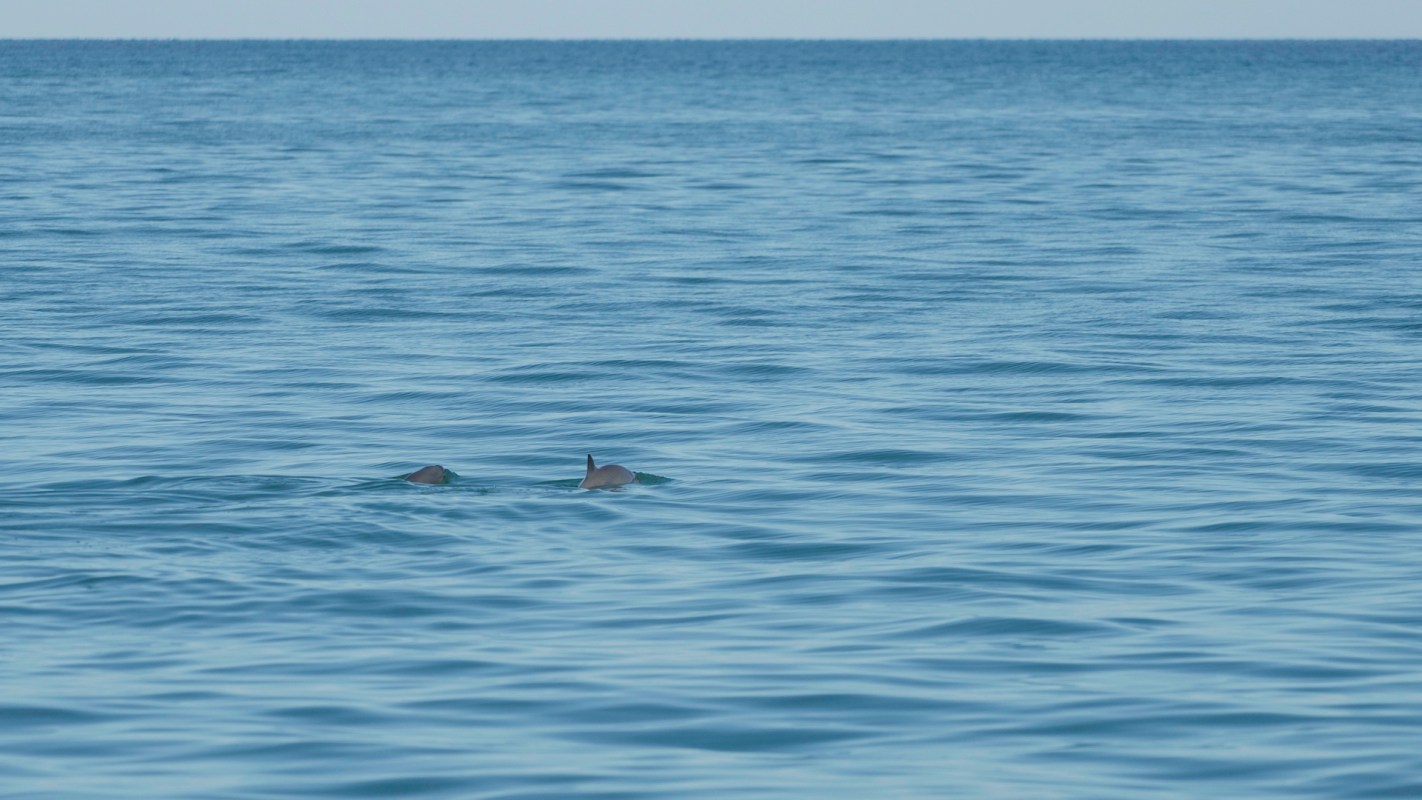
Mexican officials are considering scaling back key protections for the vaquita, the world's most endangered marine mammal, in a move that conservationists warn could push the tiny porpoise to extinction.
What's happening?
According to a report from Mongabay, government agencies in Mexico are developing a proposal that would reduce the size of a "zero-tolerance area" where all fishing and vessel traffic are currently banned.
The plan would also scale back a broader prohibition on gillnets. They are vertical fishing nets that hang in the water and are widely considered the primary threat to vaquitas, which become entangled and drown as bycatch.
"I don't think we can forget that this is the most endangered marine mammal in the world," Sarah Dolman, senior ocean campaigner for the Environmental Investigation Agency, told Mongabay.
"With such a small population of 10 individuals, any effort to reduce the measures that are in place at the moment, and to enforce those measures fully, would be a real threat to the future of this species."
Officials have described the changes as a "reorganization" intended to improve monitoring and accommodate local fishing communities. The proposal cited research suggesting vaquita activity is concentrated in certain areas, which the government said could allow protections to be narrowed.
However, critics said wild marine mammals don't stay neatly inside lines drawn on a map.
Why is the vaquita's future concerning?
The Phocoena sinus is the smallest porpoise in the world, measuring about 5 feet long and weighing around 120 pounds, and it exists nowhere else on Earth.
From an estimated population of about 700 in 1993, numbers dropped to roughly 30 by 2016. In 2020, Mexico established a zero-tolerance area where gillnets were prohibited, but enforcement has been inconsistent.
There has been some progress. In 2022, the Mexican navy sank large concrete blocks fitted with hooks to disable illegal nets inside the protected zone.
TCD Picks » Upway Spotlight
💡Upway makes it easy to find discounts of up to 60% on premium e-bike brands





Alongside patrols by the navy and the nonprofit organization Sea Shepherd, those efforts led to an estimated 90% decrease in gillnetting in the area, a major achievement for conservation groups.
|
Which of these savings plans for rooftop solar panels would be most appealing for you?
Click your choice to see results and speak your mind. |
 Save $1,000 this year 💸
 As recently as late last year, observers spotted a vaquita swimming with a calf, offering a rare glimmer of hope for a species on the brink.
Shrinking protected areas now could undo years of hard-won progress. With so few individuals left, even one accidental entanglement could have devastating consequences for the population's ability to recover.
What's being done about the vaquita?
For now, the proposal has not been finalized, and conservation groups are urging Mexican authorities to maintain or strengthen current protections.
International scientists and local advocates continue to push for tighter enforcement against illegal gillnet fishing, particularly targeting the black market trade in totoaba fish, whose swim bladders fetch high prices.
Everyday people can help, too. Supporting organizations working on ocean conservation and staying informed about marine protections all play a role.
Protecting biodiversity is one piece of building a healthier, more resilient future for communities everywhere. When a species disappears forever, there's no bringing it back.

Get TCD's free newsletters for easy tips to save more, waste less, and make smarter choices — and earn up to $5,000 toward clean upgrades in TCD's exclusive Rewards Club.
Cool Picks






