


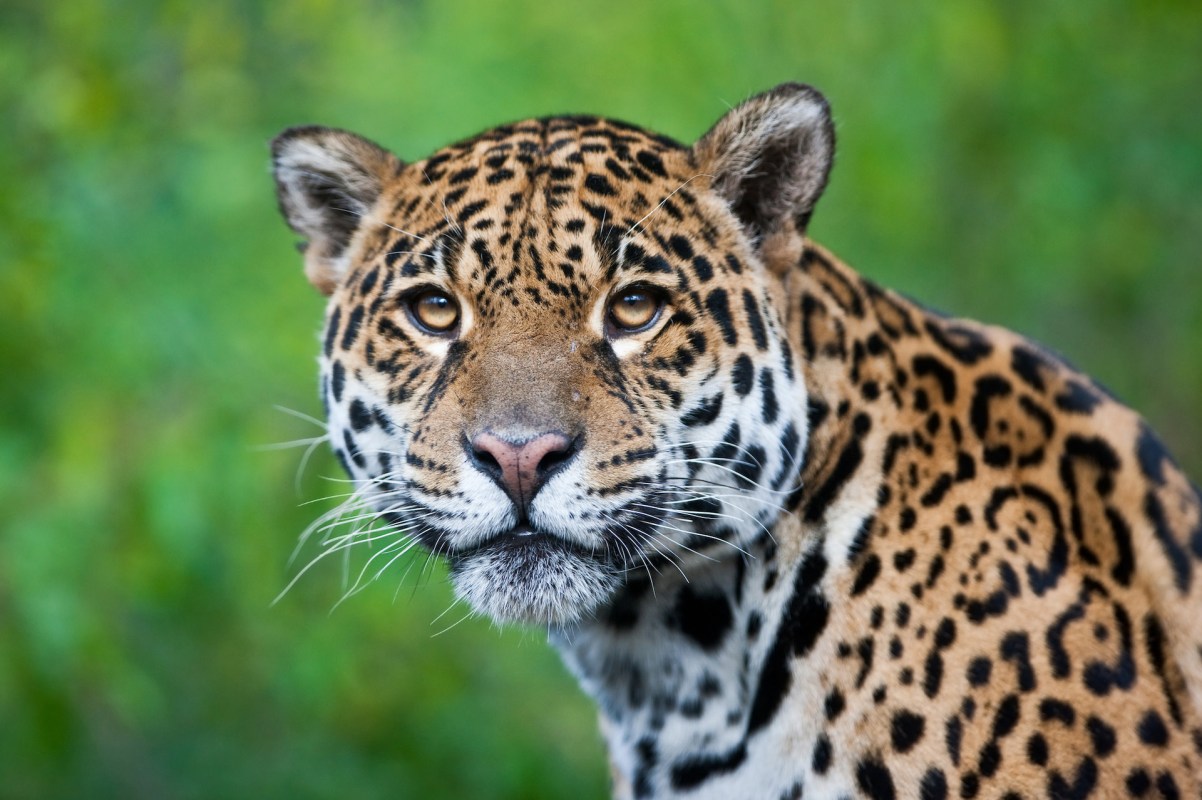
Mexico's jaguar population has grown to 5,326 animals, demonstrating 30% growth since 2010, The Guardian reported.
The census covered about three months and used 920 cameras triggered by movement throughout 15 Mexican states. Dozens of scientists and local community members participated in tracking jaguars over 414,000 hectares, which makes this the biggest mammal survey ever conducted in Mexico.
Back in 2010, scientists worried Mexico had lost most of its jaguars. Researchers feared the population had dropped to around 1,000 animals because of hunting, habitat loss, and rancher conflicts.
When the first official count totaled 4,100 jaguars, researchers were cautiously optimistic. Now, 15 years later, the latest numbers show a stronger recovery.
The Yucatán peninsula holds the most jaguars at 1,699, while the south Pacific region has 1,541. The northeast and central areas support 813 jaguars, with the north Pacific hosting 733 and the central Pacific coast maintaining 540.
Wildlife reserves gave jaguars room to hunt and breed. Conservation groups worked with ranchers to reduce conflicts between livestock and predators. Public education campaigns made the jaguar one of Mexico's most recognized animals.
This success helps communities across the country. Healthy jaguar populations indicate thriving ecosystems that support clean water, diverse plant life, and balanced food chains. These ecosystems provide natural pest control for farms and maintain forests that help regulate local climates.
Strong animal populations also boost ecotourism, which creates jobs and income for rural communities.
Conservation groups hope to remove jaguars from Mexico's endangered list within 15 years. To reach this goal, they say, we must address ongoing threats like deforestation, which destroys 60,000 hectares annually in the Yucatán. Building wildlife crossings over highways and eliminating the black market for jaguar body parts will also help populations grow.
"The fact that the country has managed to maintain and increase its population over the last 14 years is extraordinary. For me it's great news for the country. Mexico and the world need good news," said Gerardo Ceballos, who led the research team, per The Guardian.
TCD Picks » Quince Spotlight
💡These best-sellers from Quince deliver affordable, sustainable luxury for all




|
Do you think America does a good job of protecting its natural beauty? Click your choice to see results and speak your mind. |
 Definitely 👍
Join our free newsletter for good news and useful tips, and don't miss this cool list of easy ways to help yourself while helping the planet.
Cool Picks






